Home Blog Page 7

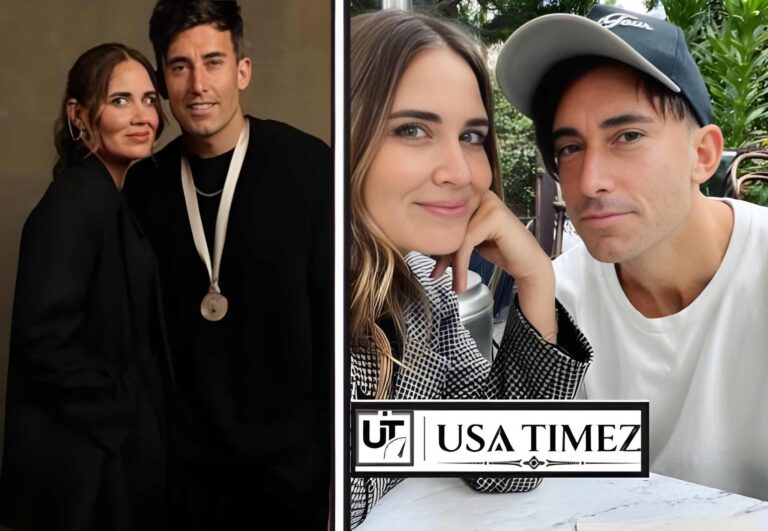
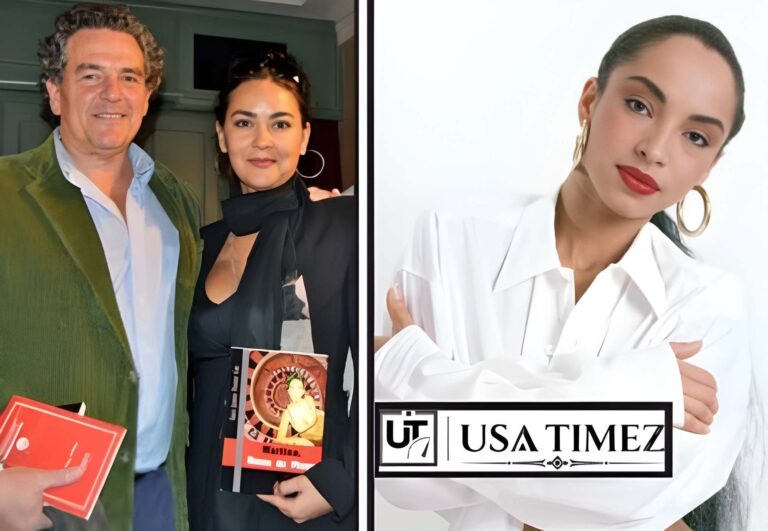
Who Is Carlos Scola Pliego? The Spanish Filmmaker Who Married Sade

0

Carlos Scola Pliego is a Spanish filmmaker best known for his documentary work and as the former husband of British-Nigerian singer Sade Adu. While his marriage brought him into the public eye, his true passion was filmmaking, where he built a career behind the camera as a director, writer, producer, and assistant director. Rather than seeking fame, Carlos chose a quiet and private life, earning respect through his work instead of celebrity status. His story offers a unique look at a creative professional whose legacy is shaped by both his contributions to film and his connection to one of music’s most iconic artists.

Quick Bio

DetailKnown information
Full nameCarlos Scola Pliego
NationalitySpanish
ProfessionFilmmaker, director, writer, producer, assistant director, and script supervisor
Best known forDocumentary work and his marriage to Sade Adu
Notable directing workNgira: Gorilas en la montaña and Donde termina el corazón
Former spouseSade Adu
MarriageMarried in 1989; divorce finalized in 1995
Children togetherNone
Later screen creditGoal II: Living the Dream in 2007

Early Life and a Beginning

Carlos Scola Pliego begins in Spain’s film world. His Spanish background placed him inside a country with a busy and changing cinema scene. Rather than appearing on screen, he learned filmmaking from the working side of a set. It was a place where every detail mattered and where even a small mistake could affect a full day of filming.

One of his first listed jobs was as a script supervisor on the 1979 comedy La boda del señor cura. He held the same kind of role on Fernando Colomo’s Ópera prima in 1980. A script supervisor watches continuity. The job means checking dialogue, actions, clothing, and the position of objects from one shot to the next. It calls for a sharp eye and steady focus.

These early roles say something useful about his professional background. He did not enter cinema at the top. He learned how a set works from the inside. That patient start later helped him move into assistant directing, where planning, people, and time all had to come together.

Learning Film Work One Careful Step at a Time

During the first half of the 1980s, he worked on Spanish and international productions. Assistant directing was a natural next step. An assistant director helps turn the director’s creative plan into a real shooting day. The work can include arranging scenes, keeping the set moving, and helping a large crew stay on schedule.

His film-credit record connects him with Eleni, the 1985 drama starring John Malkovich, and the television miniseries Christopher Columbus. Crew listings also place him in Spain-based assistant-directing work on Never Say Never Again and Curse of the Pink Panther in 1983. Those two jobs were uncredited on screen, but they show how his career crossed from Spanish cinema into larger foreign productions.

This was not glamorous work in the usual sense. Film crews often start early, finish late, and solve problems that viewers never see. Carlos Scola Pliego built his experience in that demanding space. His name may not have appeared above the title, but his path shows the value of people who hold a production together from behind the camera.

Finding His Own Voice Through Documentary Film

By the late 1980s, Carlos Scola Pliego had moved from helping other directors to shaping films of his own. In 1988, he co-directed, wrote, and produced the short documentary Ngira: Gorilas en la montaña. The project focused on mountain gorillas and took his work far beyond the controlled setting of a studio.

Documentary work asks for a different kind of patience. Nature and real life do not follow a shooting script. The filmmaker has to watch, wait, and build a story from moments that cannot simply be repeated. This project gave Carlos a chance to use the discipline from his earlier crew roles while creating something more personal.

He followed it with Donde termina el corazón in 1989. The documentary looked at life across parts of Africa, moving from communities in the Ituri Forest toward the edges of Nairobi. Carlos Scola Pliego served as its director and writer. These two films form the clearest part of his work as a creative leader, not only as a crew member.

When Carlos Scola Pliego Met Sade Adu

Carlos’s path crossed with Sade Adu during the second half of the 1980s, when her career was moving at great speed. Sade was already known around the world through Diamond Life and Promise. Behind that success, however, she was living through long tours, constant attention, and the pressure that comes when a private person becomes a global star.

Their connection grew in Spain, a place tied to Carlos’s work and later to their shared life. They were both artists, but they worked in different ways. Sade stood at the microphone and expressed feeling through restraint. Carlos Scola Pliego stayed behind the lens and helped images tell a story. Their bond brought music and film into the same private space.

It is tempting to turn their meeting into a perfect movie scene. The more honest picture is simpler. Two creative people met during a busy period in their lives and fell in love. Sade later moved from London to Madrid, showing how serious the relationship had become, as described in her 2000 Fader cover interview. For someone who guarded her personal world so closely, that move carried real weight.

A Madrid Marriage During Sade’s Years of Success

Sade and Carlos Scola Pliego married in Spain in 1989. That same period sat between two important Sade albums. Stronger Than Pride had arrived in 1988, carrying songs about devotion, distance, and the pull of love. Love Deluxe would follow in 1992 with an even deeper emotional tone.

Marriage joined them during years when Sade’s public life was large and demanding. Yet their home was not a stage, and neither person turned the relationship into a show. Carlos already understood the long hours and pressure of creative work. Sade understood what it meant to protect a serious inner life while people outside wanted more access.

The couple had no children together. This detail matters because some online biographies wrongly connect Carlos to Sade’s child, born in 1996. That birth came after the marriage had ended. Keeping the timeline clear gives both lives the respect they deserve.

Two Creative Lives Sharing One Private World

The relationship between Carlos Scola Pliego and Sade was not only a meeting of famous names. At its heart, it was a partnership between people who knew the cost of making art. Film production can take a person away for weeks or months. Recording and touring can do the same. Even loving couples can struggle when work, travel, and private needs pull in different directions.

Sade was also uneasy with the more intrusive side of fame. Her official biography explains that harsh press coverage made her reluctant to give interviews. Carlos did not build a second career from being her husband. There was no steady stream of public appearances, personal stories, or interviews about their home. Their marriage remained largely theirs while it lasted.

That privacy is important. It means the public should not fill the quiet spaces with invented fights or dramatic claims. The known story is already human enough: they loved, built a life in Madrid, faced pain, and eventually separated.

The Breakup and the Pain Sade Carried Home

By the time Sade was making Love Deluxe, the relationship with Carlos Scola Pliego had broken down. Sade later spoke about that period in an interview first published by The Fader. She called it “a very sad situation” and said she had to leave quickly with a small bag.

That image is powerful because it is so plain. There is no grand speech and no polished ending. It is simply a person leaving a home before she feels ready. Sade said the experience affected how she felt for about five years. She did not describe herself as unable to live each day. Instead, she explained that getting over real love too quickly would have made the love feel false.

Back in Britain, another problem added to the strain. Her North London house began to sink and needed major repair. For about 18 months, the building had to be supported and put back together. The timing gave her emotional pain a physical shape. A relationship had fallen apart, and now her home seemed to be doing the same.

The divorce from Carlos Scola Pliego was finalized in 1995. There was no public battle that became part of their identities. What remains most vivid is Sade’s description of the emotional cost. Her words do not explain every private event, but they show that the end was not light or easy.

Did Carlos Scola Pliego Inspire Sade’s Songs?

Many readers connect Carlos Scola Pliego with the sorrow and longing heard on Love Deluxe. The timing makes the question understandable. The marriage was falling apart around the period when the album took shape, and songs such as “No Ordinary Love” carry the feeling of giving everything to love and still being left with pain.

But a timeline is not the same as proof. Sade has not publicly labeled the album a record about Carlos, nor has she assigned its songs to him one by one. Her writing often reaches beyond one person. Love Deluxe also speaks about family hardship, survival, desire, and suffering in the wider world. It is too rich to reduce to a diary of one breakup.

The fairest view is that Carlos Scola Pliego belonged to the emotional life surrounding the record. The end of a deep relationship naturally becomes part of a person’s inner world. Still, Sade and her band turned many feelings and ideas into the finished album. Carlos may be part of its emotional weather, but he should not be presented as the proven subject of every love song.

That distinction makes the story stronger. It lets readers feel the link without turning guesswork into fact. It also gives Sade full credit as a songwriter who shaped private pain into art with a wider meaning.

Life After the Marriage and Away From Celebrity News

After the divorce, Carlos Scola Pliego returned to a life that received little celebrity coverage. He did not use the marriage to sell interviews or make himself a regular figure in the press. His public identity stayed connected to film, especially the two documentaries he directed in the late 1980s.

A later screen credit links him to the 2007 football drama Goal II: Living the Dream as an additional crew member. It is a small but useful sign that his connection to production continued well beyond the period when his marriage attracted attention. After that, his name largely disappears from major screen credits and entertainment reporting.

As of 2026, Carlos lives outside the public spotlight. There are no verified social accounts or recent interviews that turn his daily life into content. His only widely documented relationship remains his marriage to Sade, and he has not made a public story from the years that followed it.

Why His Private Life Still Draws Public Interest

Carlos Scola Pliego remains interesting because his story feels unfinished to readers. Most people connected to a global star leave behind endless clips, quotes, and posts. Carlos left film credits, two documentaries, a marriage record, and a quiet space after them. That contrast makes people look closer.

Yet privacy is not an empty part of his life that others need to complete. It is a boundary. His film work and acknowledged marriage already tell a clear story. They show a man who worked near major stars and productions while keeping his personal world away from public display.

His low profile also matches the kind of work he first chose. A script supervisor protects details without appearing in the frame. An assistant director keeps a set moving without becoming the star. In a curious way, his public life followed the same pattern: present near major art, but rarely placed at its center.

Conclusion

Carlos Scola Pliego is more than a name beside Sade Adu’s in an old marriage timeline. He built his craft from careful crew work, moved into documentary direction, and created films concerned with real places and lives. His path crossed Sade’s when both were already part of demanding creative worlds.

Their marriage began in 1989 and ended with pain that Sade carried for years. Still, the story does not need gossip to feel moving. It is about two artists, a serious love, a difficult goodbye, and the quiet life that followed. Carlos Scola Pliego remains memorable because he stood close to great fame without allowing fame to become his whole public identity.

Frequently Asked Questions

Who is Carlos Scola Pliego?

Carlos Scola Pliego is a Spanish filmmaker and documentary director. He is also known as the former husband of singer Sade Adu.

When did Carlos Scola Pliego marry Sade?

The couple married in Spain in 1989. Their divorce was finalized in 1995.

What films did Carlos Scola Pliego direct?

He directed Ngira: Gorilas en la montaña and Donde termina el corazón. Both were documentary projects made in the late 1980s.

Did Carlos and Sade have children together?

No. Carlos and Sade did not have children together. Sade became a parent after their marriage had ended.

Was Love Deluxe written about Carlos Scola Pliego?

Sade never said the whole album was about him. Their breakup may have shaped its emotional setting, but the songs explore many kinds of love, pain, and survival.

Who Is Vincent Kotchounian? The Quiet and Creative Son of Ray Charles

0

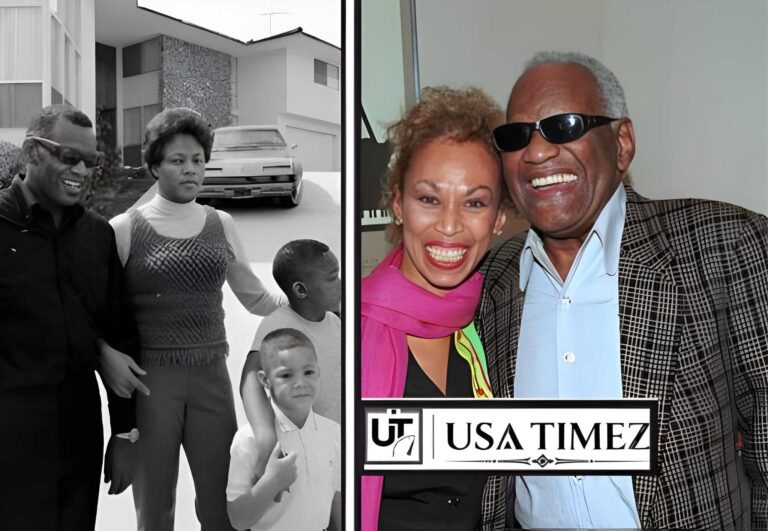
Vincent Kotchounian was the son of legendary musician Ray Charles and French-Armenian artist Arlette Kotchounian. Although he was born into one of music’s most famous families, he chose a life away from the spotlight, focusing on education, martial arts, creativity, travel, and personal growth instead of celebrity. Known for his quiet nature and artistic spirit, Vincent built his own identity while honoring his family’s legacy. His life and passing in 2025 continue to remind people that character, compassion, and purpose can leave a lasting impact beyond fame.

Quick Bio

DetailInformation
Full nameVincent Kotchounian Robinson
BornJanuary 22, 1976
BirthplaceLes Lilas, France
DiedNovember 21, 2025, aged 49
Place of deathCedars-Sinai Medical Center, Los Angeles
FatherRay Charles Robinson
MotherArlette Kotchounian
Family backgroundAfrican American, French, and Armenian
EducationMarymount College and the University of Southern California
CareerLicensed mixed martial arts instructor
Known forBeing Ray Charles’ son and living a private, creative life
InterestsDJing, bicycles, custom drones, music, animals, nature, and travel
FaithPracticed Buddhism from 2012

Where Vincent Kotchounian’s Story Really Began

Vincent’s story began in Les Lilas, a small city just outside Paris. He was born there on January 22, 1976. This detail matters because many short biographies place his birth in Los Angeles a year later. His family memorial gives a clear date and place, showing that his first chapter began in France, not California.

That French beginning matched the life of his mother. Arlette was born in Paris and moved through the city’s world of songs, jazz clubs, writing, and photography. Vincent later made Los Angeles his home, but France remained part of him. It was not only a place on a birth record. It was tied to his language, family, travels, and the way he understood where he came from.

His full name, Vincent Kotchounian Robinson, also held both sides of his story. Kotchounian came from his mother’s Armenian family. Robinson came from his father, who was born Ray Charles Robinson. He did not have to choose one history over the other. Both traveled with him.

A Song Brought His Parents Into the Same World

The relationship between Ray Charles and Arlette Kotchounian began through music. Arlette was a French singer and songwriter who also used the names Ann Grégory and Arlette Avedian. She created the English version of “The Sun Died,” a deeply sad song that Ray recorded. Their work opened the door to a friendship that lasted for years, as described in an interview with Arlette.

Arlette did more than write lyrics. She photographed musicians and captured quiet moments that audiences normally never saw. Her subjects included major names in jazz and French music. She also photographed Ray and worked on his 1990 album Would You Believe? Music brought Vincent’s parents together, while art remained part of their shared history.

Vincent Kotchounian was therefore born into a family story already filled with sound and pictures. His father expressed feeling through a voice known around the world. His mother used songs, words, and a camera. Vincent did not build a public music career, but creativity still found a place in his life. It appeared in the music he played as a DJ and in the objects he liked to build with his hands.

Growing Up Between Three Cultures and Two Languages

Vincent carried an unusual mix of backgrounds. Through Ray Charles, he belonged to a powerful African American music story. Through Arlette, he belonged to France and to an Armenian family shaped by survival, movement, and loss. These were not small labels added to a profile. They were living parts of his home and family memory.

Arlette once explained that Vincent spoke English with his father and French with her. He also knew a few Armenian words. As he grew older, Vincent Kotchounian became more interested in his Armenian roots and began asking about the family’s past. His mother’s parents had survived the Armenian Genocide, while several older relatives had been killed or lost during that terrible time.

That history gave Vincent Kotchounian a link to people he had never met. It also gave him a reason to look back. His interest came later, as it often does for adults who begin to see their parents as keepers of a much older story. A simple question about family can carry years of feeling. For Vincent, asking about Armenia meant making room for another part of himself.

His French, American, and Armenian ties stayed visible throughout his life. He returned to France during his travels. His memorial later described the French, American, and Armenian families who loved him. The three parts did not compete. Together, they formed the wider home he carried.

Being Ray Charles’ Son Without Living as a Celebrity

Ray Charles was already a world-famous artist when Vincent was born. Fans knew him as “the Genius,” the man whose voice joined gospel, blues, jazz, soul, pop, and country. That level of fame can fill every room. Yet Vincent Kotchounian did not turn his father’s name into a public career.

For the world, Ray was a star. For Vincent, he was also the father with whom he spoke English. That one family detail feels more personal than a list of awards. It brings their relationship down from the stage and into ordinary life. It reminds us that a famous voice can also be the voice a child knows at home.

Vincent was one of Ray Charles’ 12 children. The brothers and sisters had different mothers and did not all grow up in one house. Their shared father connected them, but each child formed a separate life. Vincent’s place in this large family was real, even though he rarely appeared in interviews or entertainment news.

In 2002, Ray called his children to a hotel near Los Angeles International Airport. He told them he was seriously ill and explained his estate plan. Each child was to receive a $500,000 trust, while most of his assets would support his charitable foundation. The meeting carried both love and hard truth. A father was preparing his children for a future without him. The details were later documented by the Los Angeles Times.

Ray died in June 2004. Later, seven of his children became part of a public fight involving song rights and the foundation. Vincent was not one of the seven named in the federal court case. His life remained outside the legal spotlight, just as it stayed outside most other public battles.

Education Helped Him Build His Own Direction

Vincent Kotchounian graduated from Marymount College and later from the University of Southern California. These were achievements he valued. They also show a steady path that had little to do with using his father’s fame for quick attention.

College placed him in a world where he could be measured by his own effort. A famous last name may open a conversation, but it cannot complete an assignment, earn a degree, or decide what kind of adult a person will become. Vincent did that work himself.

His education did not lead him toward the stage. Instead, he built an active and hands-on life. The pattern makes sense when his interests are viewed together. He liked focus, movement, machines, music, and making things work. His choices were practical, but they still left room for art.

This part of his journey is easy to overlook because it did not produce headlines. Still, it may be one of the clearest signs of independence in his story. He accepted his family history without letting it write every page for him.

Vincent Kotchounian Found Discipline in Martial Arts

Vincent became a licensed mixed martial arts instructor. MMA combines several fighting styles and requires control as much as strength. A good instructor must understand movement, safety, patience, and discipline. It was serious work, and his memorial remembered the focus and dedication he brought to it.

This career suited the quieter side of Vincent Kotchounian. Martial arts can be physical and intense, yet the training happens through small repeated steps. Progress comes from showing up, listening, and correcting mistakes. It is less about display than many people think.

Teaching also placed him in direct contact with others. He could guide a student, share a skill, and see growth without needing a large audience. That form of work is personal. The value appears in the person standing in front of you, not in public applause.

His career gave him an identity beyond “Ray Charles’ son.” The famous connection stayed part of his name, but it was not his job. In the gym, skill and trust mattered more than family history.

The Creative Life He Kept Away From the Cameras

Vincent Kotchounian had a strong creative side, but he expressed it in private ways. He loved DJing. That gave him a direct bond with music, though not as a singer standing under stage lights. A DJ listens closely, understands mood, and builds a flow from one sound to the next. It was a natural place for someone raised near music who still wanted his own form of expression.

He also enjoyed building bicycles and flying custom drones. These interests joined imagination with careful hands. A bicycle must be balanced, useful, and safe. A custom drone needs planning and patience. Both hobbies turn separate pieces into something that can move.

Friends and family also remembered his love of animals, nature, and simple pleasures. Those details make his portrait warmer. They show a man who could enjoy motion and machines while still feeling close to the natural world. He did not need every interest to become a brand or business. Some things were worth doing simply because they brought life into the day.

His humor was another part of him. The family memorial called it unique, which sounds exactly like the sort of quality close friends understand better than strangers. Public profiles can list dates. A remembered sense of humor tells us there was a real person behind them.

The Album-Cover Story Belongs to His Mother

Several online biographies say Vincent designed or photographed one of Ray Charles’ album covers. The published credits tell a different and clearer story. For the 1990 album Would You Believe?, Arlette Kotchounian received credit for artwork and photography. Antoine Leroux-Dhuys received the design credit.

That correction does not remove art from Vincent Kotchounian’s life. It simply gives his mother proper credit for her work. Vincent’s creativity is already clear through DJing, bicycles, and drones. It does not need an album credit added to it.

Arlette’s pictures of Ray later appeared in exhibitions, including a 2024 show in Paris. Her photographs caught him in calm, personal moments between performances. Vincent grew up close to that creative partnership. The album belongs to his family story, even though the official art credit was his mother’s.

Relationships, Friendship, and a Carefully Guarded Life

Vincent Kotchounian was described by those close to him as an introvert with a “lone wolf” spirit. That did not mean he lacked love around him. His memorial spoke of a kind and caring man who was easily loved by relatives and friends. It also remembered his unusual humor and honest way of being himself.

His bond with his mother runs through his story from beginning to end. They spoke French together. She shared the Armenian family history he later wanted to understand. After his death, she called him her prince and remembered the purity she saw in him. Their relationship was built across countries, languages, art, and many years.

Friendship also mattered in his spiritual life. In 2012, Vincent began a formal Buddhist practice and received support from his friend and faith sponsor, Phillip Yi. His loved ones felt that he looked for what was true and meaningful instead of chasing surface beauty.

Vincent kept his closest relationships away from public discussion. That boundary matched the rest of his life. He was connected, but he did not turn those connections into content. The people who knew him held the fuller story.

Travel, Faith, and the Simple Things He Valued

Travel opened another part of the world to Vincent Kotchounian. His journeys included Asia, Cuba, Puerto Rico, and France. Each place offered a different pace, language, landscape, and way of life. For someone with roots on more than one continent, travel could also make identity feel wider rather than divided.

His Buddhist faith added a quieter kind of journey. Practice gave him a way to look beneath status and appearance. That idea fits the life remembered by his family: creative, private, focused, and drawn to what felt real.

Nature and animals mattered to him as well. So did music and work done by hand. These interests may seem separate, but a clear thread joins them. They all ask a person to pay attention. Mixing music, training a student, building a bike, guiding a drone, or spending time outdoors each requires presence.

That may be one reason Vincent’s story feels human. His life was not built around one grand public achievement. It was made from skills, journeys, friendships, private joys, and daily acts of care. Most lives are shaped in exactly that way.

His Final Illness and a Quiet Message of Courage

The last chapter of Vincent Kotchounian’s life was painfully short. He faced Stage 4 lung cancer and died at Cedars-Sinai Medical Center in Los Angeles on November 21, 2025. He was 49 years old and only two months away from turning 50.

His final message to his mother was simple: “I am Ok.” Three small words can hold great weight at the end of a life. They sound calm and protective, as if he wanted to ease the fear of the person beside him. His family’s remembrance says he died peacefully after facing the illness with courage.

Vincent’s death brought together the many communities that had shaped him. He was remembered by French, American, and Armenian relatives, as well as friends from different parts of his life. A celebration of his life was held in Los Angeles in December 2025, allowing those who loved him to honor the person they knew beyond the famous family name.

Ray Charles had died more than 21 years earlier, so Vincent’s death closed another chapter in the family story. Yet the words used for Vincent were not about status. They were about compassion, humor, focus, creativity, and a pure heart.

Conclusion

The life of Vincent Kotchounian was quiet, but it was never empty. He carried a famous father’s history and a mother’s French-Armenian roots. He studied, taught martial arts, mixed music, built bicycles, flew drones, traveled widely, and formed a spiritual path of his own.

His final battle with cancer ended in November 2025, yet it did not erase the warmth of the years before it. The best way to remember him is not as a hidden celebrity child. It is as Vincent Kotchounian Robinson: creative, private, disciplined, curious, and deeply loved.

Frequently Asked Questions

Who was Vincent Kotchounian?

Vincent Kotchounian was the son of Ray Charles and French-Armenian songwriter and photographer Arlette Kotchounian. He worked as a licensed MMA instructor and lived a private, creative life.

When and where was Vincent Kotchounian born?

He was born on January 22, 1976, in Les Lilas, France. He later lived in Los Angeles, California.

What did Vincent Kotchounian do for work?

He was a licensed mixed martial arts instructor. He also enjoyed DJing, building bicycles, and flying custom drones.

Was Vincent Kotchounian an Album-Cover Artist?

The official credits for Ray Charles’ Would You Believe? name Vincent’s mother, Arlette, for artwork and photography. Vincent expressed his creativity through other interests.

How did Vincent Kotchounian die?

He died from Stage 4 lung cancer on November 21, 2025, at Cedars-Sinai Medical Center in Los Angeles. He was 49.

Susan Brewer: The Private Story Behind Peter Fonda’s First Marriage

0

Susan Brewer is an American artist best known as Peter Fonda’s first wife and the mother of Bridget and Justin Fonda. While her marriage connected her to one of Hollywood’s most celebrated families, she chose to live a private life away from fame and media attention. She married Peter Fonda before he became a cultural icon, supported their family during the early years of his career, and focused on raising their children rather than pursuing the spotlight herself. Today, Susan Brewer is remembered not for celebrity status but for her quiet role in the early history of the famous Fonda family.

Quick Bio

DetailInformation
Full nameSusan Jane Brewer
NationalityAmerican
Known forPeter Fonda’s first wife and Bridget Fonda’s mother
EducationAttended Sarah Lawrence College
ProfessionArtist; brief uncredited film appearance
Former husbandPeter Fonda
MarriageOctober 8, 1961, at St. Bartholomew’s Church in New York
DivorceFinalized in 1974
ChildrenBridget Fonda and Justin Fonda
Film appearanceEasy Rider (1969), as a woman in the commune
Public lifeLives outside the celebrity spotlight

Susan Brewer Before the Famous Fonda Family Name

Before Hollywood placed a famous last name beside hers, Susan Brewer was a student with her own direction. In 1961, news photographs described her as a 20-year-old from Beverly Hills, California. She was attending Sarah Lawrence College in Bronxville, New York and living near New York City during a lively creative period.

Her family had links to a powerful business world as well. Her mother, Mary Sweet, married Noah Dietrich, a businessman best remembered for his long professional connection to Howard Hughes. Yet Susan Brewer did not turn that family link into a public identity. Her own story became connected to the arts instead.

She was also close to New York’s theatre world, where Peter Fonda was making his way onstage. Their paths met before he became the leather-jacketed face of a new Hollywood. She knew the young actor before the image, the awards, and the legend.

A Young Love Story at the Start of Peter’s Career

The couple married in New York in 1961

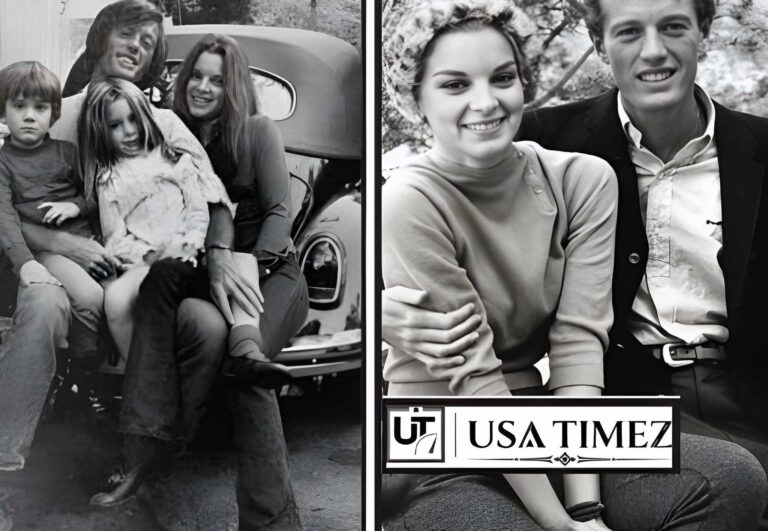
Peter Fonda was 21 when he married Susan Brewer on October 8, 1961. The ceremony took place at St. Bartholomew’s Church in Manhattan. A photograph from that day shows the newly married pair sitting close together in a car. Peter is smiling and giving the camera a playful wink. Susan sits beside him, calm and composed.

The timing made the wedding feel like the opening of two stories at once. Peter had just begun appearing in the Broadway play Blood, Sweat and Stanley Poole. On the marriage record, he gave his work simply as “actor.” He had the Fonda name, but he was still trying to prove himself.

Susan entered the marriage before Peter’s first major films. She was marrying a young stage actor whose future was still taking shape, not an established counterculture hero. Their relationship began before the world decided what Peter Fonda would represent.

Becoming part of a Hollywood dynasty

Marriage brought Susan into a family that already carried great weight in film. Peter’s father, Henry Fonda, was one of America’s most respected actors. Peter’s older sister, Jane Fonda, was also building her own screen career. Family gatherings could never be fully separated from acting, scripts, reviews, and public attention.

Still, she did not try to compete with that fame. Public records and family accounts present her mainly as an artist, a wife, and later a mother. A famous family is often remembered through its biggest names. Yet homes are also shaped by people who never receive a headline.

Building a Home While Hollywood Moved Faster

Peter’s screen career began to grow soon after the wedding. He appeared in Tammy and the Doctor and The Victors in 1963. By the middle of the decade, he had moved away from the polished image expected of Henry Fonda’s son. He became linked to motorcycles, long hair, new ideas, and the counterculture.

Susan Brewer was building family life during those same years. Their daughter, Bridget Jane Fonda, was born in Los Angeles on January 27, 1964. Their son, Justin Fonda, followed in 1966. Two young children were now growing up around a father whose public life was expanding quickly.

A home with imagination and clear rules

Bridget later gave a warm picture of that childhood. She remembered adults who were playful, creative, and spontaneous. Her godparents, actor Larry Hagman and his wife Maj, held funny parades on the beach. Peter chased his daughter around a tennis court on roller skates. The home did not feel dull or stiff.

But there was order too. Bridget said she used respectful names for adults, washed her hands before eating, and used a napkin. She described her mother as a traditional homemaker. These memories show the balance Susan Brewer helped create. The children could enjoy the free spirit of the 1960s without growing up without limits.

Peter’s public image became wild and rebellious. At home, however, there were meals, manners, school, and children who needed steady care. Susan’s role belonged to that quieter world. It was less visible, but it mattered every day.

Susan Brewer and the Family Moment in Easy Rider

In 1969, Easy Rider changed Peter Fonda’s career and helped change American film. Peter produced the movie, co-wrote it, and played Wyatt, the quiet rider in the American flag jacket. Dennis Hopper directed and played Billy. Jack Nicholson’s supporting role also helped make the film unforgettable.

Susan Brewer had a tiny place in that landmark movie. She appears without a screen credit as a woman in the commune. Bridget and Justin also appear as children in the same scenes. Their parts were small, but the moment placed the young family inside the film that would define Peter’s public life.

The appearance was not the start of a large acting career. Its value is more personal. For a few moments, the line between Peter’s work and his home disappeared. His wife and children became part of the strange, hopeful world his film placed on screen.

Years later, viewers could watch those scenes knowing that the little girl would become Bridget Fonda. Susan remained the least public member of the group. One movie held a future star, a future behind-the-camera worker, a rising icon, and a mother who preferred life away from the center.

When Marriage and Family Life Began to Change

The success of Easy Rider made Peter an international symbol. More films, travel, creative plans, and attention followed. The man Susan had married as a young Broadway actor now carried a public image larger than their private world.

It would be easy to invent a neat reason for the marriage ending. Real relationships are rarely that simple. What is clear is that the couple separated in the early 1970s, and their divorce became final in 1974. Their marriage had lasted about thirteen years, covering Peter’s full journey from hopeful stage actor to major film figure.

The change affected more than two adults. Bridget and Justin were still children. Family accounts say the children went to live with their mother after the split. Peter later sought custody of Justin, while Bridget continued seeing her father during school breaks. Her later memories held both affection and hurt, which is often true when a family changes shape.

Susan became the steady parent in the first period after the separation. That chapter involved helping two children live through a broken home while the world watched their father as a symbol of freedom. The legal divorce ended the marriage, but Susan and Peter remained connected through Bridget and Justin. Peter married Portia Rebecca Crockett in 1975, and she also became an important parent figure.

Bridget’s later interviews show that her bond with Peter survived the hard parts. She visited him, shared holidays with him, and spoke about the playful father she remembered. As an adult, she said they got along well. Family relationships can heal even when they do not return to their old form.

For Susan, motherhood continued after the divorce. So did her own identity as an artist. She did not use the breakup to begin a public media fight. Her silence kept private family moments from becoming entertainment. In a famous family, privacy can be a strong boundary.

Susan Brewer as Bridget Fonda’s Mother

Bridget grew up with the weight of three famous names around her: her father Peter, her grandfather Henry, and her aunt Jane. She first appeared in Easy Rider as a small child, but her real acting path began years later. A school play awakened her interest, and she went on to study acting at New York University.

By the late 1980s and 1990s, Bridget had built a career that was clearly her own. She appeared in Scandal, The Godfather Part III, Single White Female, Singles, Point of No Return, Jackie Brown, and A Simple Plan. Her work brought Golden Globe and Emmy recognition, along with leading roles in several popular films.

Susan watched her daughter enter the very world she had kept at a distance. She was an artist and had once appeared briefly in a major movie. Bridget took that creative thread much farther, but she also kept a strong sense of limits around fame.

In 2002, Bridget stepped away from acting. She later married composer Danny Elfman and focused on family life. Her choice was personal, not a copy of her mother’s path. Still, both women showed that leaving the spotlight can be an active choice, not a defeat. A person can value art without giving the public every part of life.

Susan’s influence is easiest to see in the childhood Bridget described. There was imagination, but there were also rules. There was a famous name, but daily life still mattered.

Justin Fonda Chose Life Behind the Camera

Justin Fonda took a quieter route than his sister. Like Bridget and his mother, he appeared as an uncredited member of the commune in Easy Rider. He was only a small child, and the appearance remained a family moment rather than the launch of a child-star career.

As an adult, Justin worked mainly behind the camera, including work as a cinematographer. He also had an acting part in the 2000 film Big Eden. His path kept him connected to visual storytelling without placing him under the same level of attention his father and sister received.

The two children carried the family’s creative life in different ways. Bridget became a well-known actor. Justin worked more quietly within film. Their mother stood at the start of both stories. She helped connect Henry Fonda’s classic Hollywood world to Bridget and Justin’s later work.

A Private Life After a Very Public Chapter

After the divorce, Susan did not seek a second life as a celebrity. She kept her personal relationships and later years outside regular entertainment coverage. Her public profile remains separate from cameras and celebrity news.

That privacy is one of the story’s clearest themes. Susan Brewer had seen fame from very close range. Her later choices kept the public at a respectful distance.

Peter continued acting for decades and received some of his strongest praise for Ulee’s Gold in 1997. He died in 2019. Bridget had already retired from acting. Justin remained less visible. Over time, the whole family story became quieter, though interest in the Fonda name never fully went away.

Her life reminds readers to separate a private person from the fame around her. The useful facts tell a human story: she studied, married young, raised children, appeared briefly in a landmark film, faced divorce, and chose privacy afterward.

Public Image and the Quiet Legacy of Susan Brewer

Susan Brewer is often introduced as Peter Fonda’s first wife. That description is true, but it is only the doorway. She knew him before his film career began, built a home during his rise, and raised the two children who carried the next branch of the Fonda story.

Her public image was never shaped by loud self-promotion. A wedding photograph, a brief film appearance, and her daughter’s childhood memories show a young student, a mother, an artist, and a woman who valued life beyond public approval.

Her legacy also lives in contrast. Peter became a symbol of rebellion. Bridget became a leading actress and later chose family life. Justin stayed closer to the working side of film. Susan Brewer remained near all three stories while keeping her own life largely private.

Fame records the person standing in the brightest light. Family history also remembers the person who kept life moving when the cameras were gone. Susan’s story belongs to that second kind of legacy—quiet and deeply tied to the people she raised.

Conclusion

Susan Brewer lived beside a major chapter of American movie history, but she never allowed that chapter to tell her whole story. She married Peter Fonda before he was famous, became part of a respected acting family, and raised Bridget and Justin during years of great change.

There were bright moments, including the family’s small appearance in Easy Rider. There were painful changes too, especially the end of a thirteen-year marriage. Through it all, Susan chose a path that valued family, art, and privacy more than constant attention.

That is why her story still feels meaningful. It shows that a quiet life can sit beside a famous one without becoming smaller. Susan Brewer may stand outside Hollywood’s brightest frame, but her place in the Fonda family story is lasting.

FAQs About Susan Brewer

Who is Susan Brewer?

Susan Brewer is an American artist. She is best known as Peter Fonda’s first wife and the mother of Bridget and Justin Fonda.

When did Susan Brewer marry Peter Fonda?

She married Peter Fonda on October 8, 1961, at St. Bartholomew’s Church in New York City.

How many children does Susan Brewer have?

She has two children with Peter Fonda: actress Bridget Fonda and filmmaker Justin Fonda.

Was Susan Brewer in Easy Rider?

Yes. She appeared without screen credit as a woman in the commune. Bridget and Justin also appeared in the commune scenes.

What is Susan Brewer doing now?

She keeps her present life private and stays outside the celebrity spotlight.

Chandie Yawn-Nelson: The Inspiring Woman Behind Joey Lawrence’s Family

0

Chandie Yawn-Nelson is best known as the former wife of actor Joey Lawrence and the mother of their two daughters, but her life has always been defined by far more than a celebrity marriage. Although she spent nearly 15 years beside one of television’s most recognizable stars, Chandie chose a quiet, family-centered life away from constant public attention. From a teenage meeting with Joey at Walt Disney World to building a home, raising children, overcoming personal and financial challenges, and embracing respectful co-parenting after their divorce, her journey reflects resilience, love, and grace through life’s biggest changes. Rather than seeking fame for herself, Chandie has remained focused on protecting her family and moving forward with dignity, making her story one of strength, motherhood, and quiet perseverance beyond the Hollywood spotlight.

Quick Bio

DetailInformation
Full nameChandie Yawn-Nelson
Known forFormer wife of actor Joey Lawrence
Former husbandJoey Lawrence
First meetingWalt Disney World in 1993
MarriageJuly 2005
Divorce finalizedFebruary 2022
ChildrenCharleston “Charli” Lawrence and Liberty “Libby” Grace Lawrence
Public rolePrivate figure, mother and former celebrity spouse
Current public imageFocused on family and peaceful co-parenting

Who Is Chandie Yawn-Nelson?

Chandie Yawn-Nelson became publicly known through her relationship with Joey Lawrence. Joey had already spent much of his life in front of cameras. He began acting as a child and later became a familiar face through shows such as Gimme a Break!, Blossom, Brotherly Love, and Melissa & Joey.

Chandie entered that world from a very different place. She was not building a name through acting, music or reality television. Most people saw her beside Joey at red-carpet events, family programs and charity gatherings. Her public identity remained closely tied to marriage and motherhood.

That difference is important. Joey’s work required attention. Chandie’s life seemed to move in the opposite direction. She appeared when family life brought her into public view, but she did not turn those moments into a separate entertainment career.

Her story is therefore not about chasing fame. It is about living close to fame while trying to keep a family steady.

Her Early Story Began With a Teenage Meeting

The public story of Chandie Yawn-Nelson begins in 1993. She and Joey Lawrence were teenagers when they met during a visit to Walt Disney World.

Joey was already famous at the time. Blossom had made him one of the best-known young actors on American television. Chandie met him away from a studio, however. They were simply two young people at a place built around fun, hope and childhood dreams.

Their meeting did not lead straight to marriage. Life carried them in different directions. Joey continued acting and later married Michelle Vella in 2002. That marriage ended in 2005.

More than a decade after their first meeting, Joey and Chandie reconnected. By then, they were no longer teenagers enjoying a holiday. They had grown into adults with real life experience behind them.

That long gap makes their story feel less like a quick young romance and more like a second chance. They met when they were young, separated as life moved forward, and chose each other years later.

Chandie Yawn-Nelson and the Disney Love Story

When Chandie Yawn-Nelson and Joey decided to marry, they returned to the place where their story had begun. The couple tied the knot at Walt Disney World in July 2005, shortly after Joey’s first divorce was finalized.

There was something touching about that choice. Disney World was not only a beautiful wedding setting. It held the memory of their first meeting. By going back, they joined the hopeful beginning of their relationship with the more serious promise of marriage.

Celebrity coverage often makes a wedding look like the final happy scene of a film. Real marriage begins after that scene. It appears in ordinary mornings, late-night talks, work worries, bills and decisions about children.

For Chandie, marriage also meant joining a life shaped by entertainment work. Joey’s schedule could include acting projects, rehearsals, tours, interviews and public appearances. His career had already experienced great success, but work in Hollywood can rise and fall quickly.

Through those changing seasons, Chandie Yawn-Nelson became part of the family life behind the actor audiences thought they knew.

Becoming a Mother Changed the Heart of Her Story

Less than a year after their wedding, the couple welcomed their first daughter, Charleston “Charli” Lawrence, in 2006. The marriage was no longer only about a long-lost teenage connection. It now had a child at its center.

Charleston spent a small part of her early childhood near her father’s work. She sometimes joined him while he toured with Dancing with the Stars. Joey later spoke warmly about being able to have his family with him during those weeks.

As Charleston grew, she showed several creative interests. She enjoyed reading when she was young and later developed skills in drawing, singing, design and acting. She even appeared with her father in the Lifetime film A Deadly Deed.

Yet Charleston and her younger sister were not pushed into constant public attention. Their parents allowed them to grow through normal childhood stages without making every moment part of a celebrity story. Joey has said that keeping his older daughters mostly away from the spotlight was a choice he valued deeply.

For Chandie Yawn-Nelson, motherhood became the clearest thread running through the rest of her public life. Red carpets came and went. Television projects started and ended. Her role as a mother remained.

Liberty’s Birth Brought the Family a Frightening Test

The family welcomed a second daughter, Liberty “Libby” Grace Lawrence, in 2010. Her arrival should have been a time of simple joy, but the pregnancy and birth became one of the hardest chapters in the family’s story.

Chandie had a difficult pregnancy. Liberty was born about six and a half weeks early with Rh disease. This condition can happen when the mother and baby have different Rh blood factors. It may cause the mother’s antibodies to harm the baby’s red blood cells.

Liberty needed a partial blood transfusion after birth. She then spent around two and a half weeks in an incubator. Joey later described the first month as brutal because the parents could not freely hold or touch their newborn baby.

It is hard to picture that kind of pain unless a family has lived through it. A baby is finally there, close enough to see, yet medical equipment stands between parent and child. Every small update matters. Every hour feels longer.

For Chandie Yawn-Nelson, the experience was not a celebrity moment. It was a mother waiting for her child to become strong enough to come home.

Liberty made a full recovery. Charleston also settled warmly into her role as a big sister. Joey later shared that she helped with diapers, smiled at the baby and sang to her. Those small acts brought softness to a frightening time.

Later in 2010, the family appeared together at a March of Dimes Celebration of Babies event. The appearance carried special meaning after Liberty’s premature birth and early medical struggle. Details of Liberty’s birth and recovery have since remained an important part of the family’s story. People’s profile of the Lawrence children confirms the difficult pregnancy, early delivery and treatment that followed.

Life Beside a Famous Actor

Public attention followed Chandie Yawn-Nelson because Joey Lawrence had been famous since childhood. The couple attended events such as the People’s Choice Awards, Emmy celebrations, charity benefits and family-focused programs.

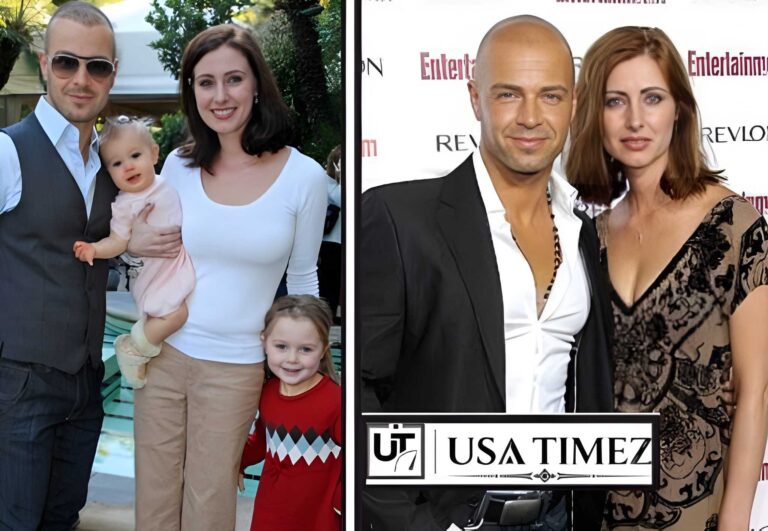
Photos from those years often showed Chandie standing beside Joey with a calm smile. At times, their daughters joined them. These appearances gave the public small views of the family, but Chandie did not make the red carpet the main part of her identity.

She was not known for a television character or a music album. Her public story came from the life she and Joey were building together. That may sound less exciting than a Hollywood career, but raising children around an unpredictable industry brings its own demands.

A working actor may appear successful on television while facing long gaps between jobs. Public fame can create the image of endless money and comfort. The family’s later experience showed how different private reality can be.

The Financial Crisis Behind the Public Image

In 2017, Chandie Yawn-Nelson and Joey Lawrence faced a major financial crisis. They filed for Chapter 7 bankruptcy after building up more than $355,000 in liabilities.

Court documents showed how quickly their position had changed. Joey reportedly earned $534,000 in 2015, the year Melissa & Joey ended. His reported income dropped to $58,000 in 2016. At the time of the filing, the couple listed only $8,000 in the bank and $60 in cash.

Their monthly expenses were also far higher than their reported monthly income. Debts included credit card balances, back taxes, unpaid rent, vehicle costs and a loan. Some vehicles were repossessed, and the family sold clothing, furniture and personal items.

Numbers can make a crisis sound cold. Inside a home, however, financial trouble touches nearly every part of daily life. It changes conversations, plans and the feeling of safety. It can be especially heavy when children are involved.

The bankruptcy became public because Joey was famous. That meant Chandie Yawn-Nelson had to face not only the private strain of financial trouble but also headlines about it. The family’s personal belongings and spending were described for strangers to read.

The bankruptcy case was resolved in 2018. It was a painful chapter, but it also proved that a well-known name does not protect a family from money problems. The court figures reported by People showed the sharp fall in income and the size of the family’s financial burden.

When the Marriage Reached Its End

In July 2020, Joey filed for divorce from Chandie Yawn-Nelson after nearly 15 years of marriage. The filing cited irreconcilable differences.

The timing brought an emotional end to a relationship that had stretched across much of their adult lives. They had first met as teenagers, found each other again, married, raised two daughters and faced difficult family tests together.

There was no public story of one dramatic event destroying everything. Joey later explained that two people could care about each other yet no longer be right as a married couple. From his point of view, the relationship had ended because they had grown apart rather than because either person had committed one unforgivable act.

That does not make the end of a long marriage painless. Fifteen years creates shared habits, memories and family traditions. Divorce changes the shape of daily life, even when both people try to act with care.

Their divorce took time to complete. A final judgment was filed in February 2022. A private agreement covered financial support and the division of property. The former couple received joint legal custody of Charleston and Liberty. Us Weekly’s report on the final judgment also noted their decision to keep the settlement terms private.

Chandie Yawn-Nelson and Peaceful Co-Parenting

The most hopeful part of the divorce story came afterward. Chandie Yawn-Nelson and Joey did not allow the end of their marriage to erase their shared duty as parents.

During the separation, Joey spoke about taking the high road and treating the other parent with kindness. He said that Charleston and Liberty had to come first. Fighting in a way that harmed the girls would have been unfair to them.

In 2024, he offered an even warmer view of the relationship. He described Chandie as a great woman and said they remained very good friends. He also said they had enjoyed a good marriage and were proud of what they created together.

His clearest description was simple: “We always put our children first.”

That sentence gives the story a different ending. The marriage ended, but parenthood did not. Respect replaced romance, and family care continued in a new form.

Healthy co-parenting is not about pretending nothing painful happened. It means placing children above old anger. It requires both people to accept that their personal relationship has changed while their responsibility remains.

The respectful bond between Chandie Yawn-Nelson and Joey later became an example Joey discussed while speaking about family relationships. He also expressed a sincere wish for Chandie to be happy in her own life. People’s account of his co-parenting comments described the former couple as friends who continued to center their daughters.

Her Private Life After Divorce

After the divorce, Chandie Yawn-Nelson continued to live away from heavy media attention. Her name still appears in stories about Joey and their children, but she has not turned the breakup into a public campaign or celebrity platform.

This private path matches the way she lived during much of the marriage. She attended selected events and supported family moments, but she did not build her life around constant attention.

Charleston and Liberty are now moving through young adulthood and their later teenage years. Both have creative gifts, especially in singing. Charleston has also explored acting, art and design, while Liberty has followed her own interests.

Their ability to grow mostly outside the brightest part of the spotlight reflects an important choice made by their family. Fame was present, but it did not have to control every part of their childhood.

Chandie’s current public story remains tied to motherhood, privacy and a cooperative family relationship. She is no longer Joey’s wife, but she will always share an important place in his family history as the mother of his two eldest daughters.

Chandie Yawn-Nelson’s Quiet Legacy

The legacy of Chandie Yawn-Nelson is not built from films, awards or television ratings. It comes from the quieter parts of life.

Her story shows that a relationship can matter even when it does not last forever. Nearly 15 years of marriage cannot be measured only by the divorce at the end. It also includes the home built along the way, the children raised and the difficult seasons survived.

Her journey also offers a useful lesson about separation. Former partners do not have to become enemies. When children are involved, respect can become a new kind of love—one based on duty, care and shared history.

Chandie did not need to speak loudly for that message to be seen. The calm relationship she and Joey maintained after divorce says enough.

Conclusion

Chandie Yawn-Nelson lived close to Hollywood fame without allowing fame to become her whole identity. Her connection with Joey Lawrence began during a teenage trip to Disney World, returned years later and grew into a marriage that lasted nearly 15 years.

Together, they welcomed Charleston and Liberty, survived Liberty’s frightening early birth and moved through a painful financial crisis. Their marriage ended in 2020, with the divorce completed in 2022, but their family bond continued.

Today, Chandie Yawn-Nelson is best understood as a private woman, a devoted mother and an important part of a long family story. Her life reminds us that quiet strength often appears in simple choices: protecting children, moving forward with dignity and allowing peace to remain after love has changed.

Frequently Asked Questions

Who is Chandie Yawn-Nelson?

Chandie Yawn-Nelson is the former wife of actor Joey Lawrence. She is also the mother of his two eldest daughters, Charleston and Liberty.

How did Chandie Yawn-Nelson meet Joey Lawrence?

They first met at Walt Disney World in 1993 when they were teenagers. They reconnected more than a decade later and married there in July 2005.

How many children does Chandie Yawn-Nelson have?

She has two daughters with Joey Lawrence. Charleston was born in 2006, and Liberty Grace was born in 2010.

Why did Chandie and Joey Lawrence divorce?

Joey filed for divorce in July 2020, citing irreconcilable differences. He later described the separation as two people growing apart rather than one person doing something wrong.

What is Chandie Yawn-Nelson doing now?

She keeps a private life and remains focused on her family. She and Joey have maintained a friendly co-parenting relationship centered on their daughters.

Who Is Amy Dettbarn? The Inspiring Story Behind Paige Bueckers’ Success

0

Amy Dettbarn, now known as Amy Fuller, is a former college athlete and dental professional best known as the mother of basketball star Paige Bueckers. While Paige has earned national recognition through her remarkable career at UConn and her rise to the WNBA, Amy has remained a private and supportive presence behind the scenes. A former cross-country and track runner at the University of St. Thomas, she later built a successful career in the dental field while balancing family life and raising children across a blended family. Rather than seeking attention for herself, Amy has focused on encouraging her daughter’s ambitions with steady guidance, strong values, and unconditional support. Her journey reflects resilience, education, hard work, and the quiet influence that often shapes extraordinary success, making her story far more than simply that of a famous athlete’s mother.

Quick Bio

DetailInformation
Full nameAmy Dettbarn Fuller
Also known asAmy Fuller
NationalityAmerican
Known forBeing the mother of Paige Bueckers
EducationBiology degree from the University of St. Thomas; graduate dental study at the University of Minnesota
College sportCross-country and track and field
Career fieldDental services and equipment
Former husbandBob Bueckers
ChildrenPaige Bueckers, Ryan Fuller, and Lauren Fuller
Home baseBillings, Montana
Public stylePrivate, family-focused, and supportive

Who Is Amy Dettbarn?

Amy Dettbarn is one of the people behind Paige Bueckers’ strong family base. Fans often know Paige’s father, Bob, because he coached her when she was young. Amy’s part is quieter. She lived in another state for much of Paige’s childhood, built a career, raised two younger children, and remained part of her oldest daughter’s life.

That does not make her a distant figure. She traveled for important games and knew the person beneath the player. When the world saw a calm young guard, Amy still saw the funny child who liked jokes and teased the people around her.

Early Life Built Around Study and Sport

The clearest picture of Amy’s younger years begins at the University of St. Thomas in Minnesota. She studied biology and graduated in 1999. At the same time, she competed in cross-country and track and field.

Distance running teaches pace, focus, and the will to continue when the body is tired. Those lessons fit the way Amy later handled work and family. She did not build a loud public name. She built a life through steady steps.

Her athletic past gave her a useful view of Paige’s gift. Amy did not play elite basketball, yet she understood training, nerves, effort, and pressure. She knew that talent could open a door, but daily habits decided how far a person went.

A Science Education and a Demanding New Direction

After earning her biology degree, Amy continued into dental education. She entered the University of Minnesota School of Dentistry in 2001 and later completed graduate work in periodontics in 2008.

That path asked for years of careful study. Running calls for endurance, while dental work calls for detail. Both reward discipline more than show.

Her studies and professional life have been rooted in the dental field. Her later career included work as an equipment specialist with Patterson Dental in Billings, a practical role within the same world she had spent years learning about.

Marriage, Motherhood, and a Changing Family

Amy Dettbarn married Bob Bueckers in Minnesota in June 1999. Their daughter, Paige, was born on October 20, 2001.

Paige was drawn to a ball early. Bob, a former high school point guard, coached her. Amy brought her own sports background into the home. Both parents knew that progress came from practice.

The marriage ended when Paige was three. Paige remained in Minnesota with her father, while Amy later remarried and moved to Billings, Montana. Homes and routines changed, but both parents stayed connected to Paige.

Divorce is never just one line in a family story. A child still needs love from both sides, and parents must find new ways to show up. The family no longer shared one household, yet it continued to share the same hopes for Paige.

A Blended Family Across Two States

Amy Fuller went on to have two more children, Ryan and Lauren. Bob also expanded his family and had a son, Drew. Paige therefore grew up as the oldest sister in a blended family spread across Minnesota and Montana.

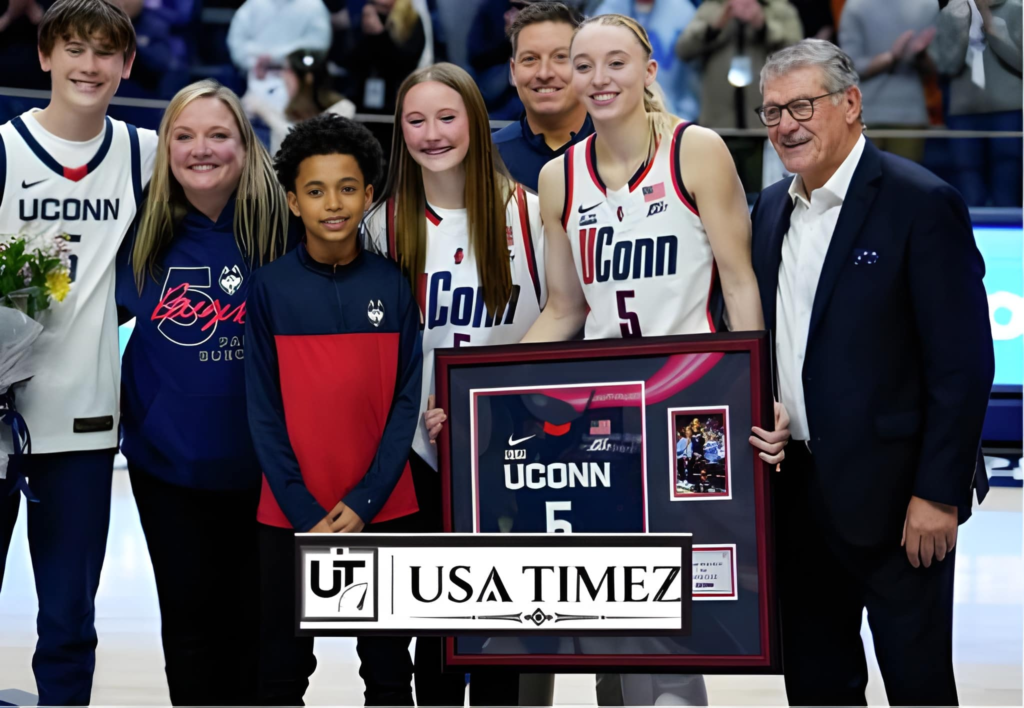
That family structure became part of Paige’s identity. She has spoken warmly about her siblings, and all three joined the family gathering for her UConn senior night in 2024. Different branches came together because someone they loved had reached a special moment.

For Amy Fuller, life after divorce became the start of a wider family story. She built a home in Montana and kept a bond with the daughter growing up in Minnesota. Family moments kept closing the space between them.

Amy Dettbarn and Paige Bueckers’ Close Bond

The bond between Amy Dettbarn and Paige is clearest in small public moments. On Mother’s Day in 2024, Paige shared an old photo of Amy holding her as a little girl and called her “my rock.” Those two words showed that distance had not erased emotional closeness.

Amy has offered a view that game reports cannot give. She has described her daughter as confident, funny, sarcastic, and fond of tricks. Fans know the fearless shots. Amy knows the humor that comes out when the cameras are gone.

Fame can flatten a person into numbers and clips. A mother keeps the fuller picture. Paige was a playful daughter and sister before she became “Paige Buckets.”

The Day Amy Saw Her Daughter Feel Nervous

At the USA Basketball under-15 trials, Paige entered a gym filled with many of the country’s best young players. Amy later recalled that it was the first time she had seen her daughter truly nervous on a court.

Confidence had always come naturally to Paige. Now she saw athletes just as gifted and driven as she was. She made the team, but the day also showed that the next level would ask more of her.

Amy understood the feeling from her own years as a runner. She could support Paige without pretending the nerves were not real. Sometimes the best help is letting a young person face a test and discover that she belongs.

Raising a Star Without Making Fame the Goal

Paige’s talent soon became impossible to miss. She starred at Hopkins High School, earned national honors, and arrived at UConn as the top recruit in her class. The attention grew fast. So did the number of cameras around her.

Amy Dettbarn focused on things that mattered after the final whistle. She reminded Paige to watch her body language because young fans and cameras were watching. The family stressed keeping her head up and moving on from a missed shot.

The advice was about self-control. Every player has bad moments. Character shows in what happens next. Paige became known for her calm, and that calm was a habit shaped over time.

When Paige began at UConn in 2020, Amy did not assume she would take over. Then Paige started, broke records, and became a national player of the year. The speed of that rise left her mother amazed.

Amy’s reaction felt real because she did not claim to have predicted every chapter. She watched the surprise unfold with years of family history in her heart.

Sharing Basketball With Children in Montana

Amy’s role went beyond watching from the stands. During Paige’s high school years, mother and daughter helped arrange basketball clinics in Billings. The events became part of the “Buckets with Bueckers” clinic work in Minnesota and Montana.

Amy Dettbarn saw Paige’s talent as something that could serve others. Young players could meet her, learn from her, and leave the gym believing their own goals were worth chasing.

The clinics also joined Paige’s two homes. Minnesota was where she learned the game. Montana was where her mother and younger siblings lived. Basketball became a bridge, while local children had a chance to feel seen by the player they admired.

Injury Years and the Hard Side of Loving an Athlete

Success did not protect Paige from pain. Her UConn career included serious knee injuries, surgery, and an entire season lost to a torn ACL. For an athlete used to moving at full speed, being forced to stop was a deep test.

The public saw medical updates. Her family saw the person living through each slow day. Amy Dettbarn was part of the support around Paige as she worked back. Support meant patience and belief that Paige was more than what she could do on a court.

Those years changed the meaning of success. Walking back onto the floor could feel like a win before any points were scored. Paige returned at an elite level, but the path was not smooth.

Amy’s running background adds another layer. An injury can shake both confidence and identity. As a former competitor, she could understand why recovery was emotional as well as physical.

Proud Moments That Brought Amy Into View

As Paige rebuilt her career, Amy appeared at important milestones. She joined the family at senior night and watched her daughter earn major honors again. These moments marked how far Paige had come after years of setbacks.

One tender moment came in December 2024, when Paige showed her mother a Nike Player Edition shoe connected to her name. The design used colors Amy loved. Amy became emotional and told Paige how proud she was. Paige’s eyes filled too.

The global brand faded into the background. What mattered was a mother looking at something her child had once only dreamed about. The colors made it personal. Pride made it human.

In April 2025, UConn beat South Carolina 82–59 to win the national championship. Soon after, the Dallas Wings selected Paige with the first pick in the WNBA draft. She had reached the next stage after closing college with the team prize she wanted most.

Each new stage brought more interest in Amy Dettbarn. Yet her place did not change. She remained the mother who knew the private cost behind every public achievement.

A Legacy of Quiet Support

The clearest legacy of Amy Dettbarn is quiet support backed by action. She attended major moments, helped bring clinics to children, encouraged good habits, and stayed close across the miles.

Paige’s skill, work, courage, and choices built her career. Still, no athlete grows alone. Amy is part of the circle that gave her somewhere safe to return when the noise became loud.

That is why readers connect with Amy Fuller. Many families change shape. Many mothers balance work with children. Many parents love from a distance. Her story shows how steady care can cross a great deal of space.

Final Thoughts

Amy Dettbarn is more than a name beside “mother” on a player biography. She is a former runner, a dental-industry professional, a working mother, and a key part of a blended family.

Her most moving moments have come through an old photo, a youth clinic, a family gathering, or tears over a shoe made in favorite colors. Together, they show a bond that fame did not create and distance did not break.

Paige Bueckers stands under the arena lights, but Amy Fuller helped protect the values she carried there. Some of the strongest people in a success story stand just outside the brightest part of the frame.

FAQs

Who is Amy Dettbarn?

Amy Dettbarn, also known as Amy Fuller, is Paige Bueckers’ mother. She is a former college runner and has built a career in the dental field.

What did Amy Dettbarn study?

She earned a biology degree from the University of St. Thomas and later completed graduate study in periodontics at the University of Minnesota.

Was Amy Dettbarn an athlete?

Yes. She competed in cross-country and track and field while attending the University of St. Thomas.

Where does Amy Fuller live?

Her home and professional life have been based in Billings, Montana.

How did Amy support Paige Bueckers?

She attended major games, offered steady family guidance, stayed close across state lines, and helped organize youth basketball clinics in Montana.

Who Is Natalie Oglesby Skalla? The Fascinating Truth About Frank Sinatra Jr.’s Daughter

0

Natalie Oglesby Skalla is an American therapeutic riding instructor best known as the daughter of Frank Sinatra Jr. and the granddaughter of legendary singer Frank Sinatra. Born in 1977, she was raised in Tulsa, Oklahoma, by her mother, Mary Sue Oglesby, and grew up largely away from the public eye. Although her connection to one of America’s most famous entertainment families has attracted public interest, she chose a different path from her relatives by building a career in equine-assisted services instead of music or acting. Natalie earned her PATH Intl. Certified Therapeutic Riding Instructor (CTRI) credential in 2021 and has been recognized for helping individuals with disabilities through adaptive horseback riding. Her life reflects a commitment to service, family, and professional work rather than celebrity fame, making her story one of purpose beyond the well-known Sinatra legacy.

Quick Bio

DetailInformation
Full nameNatalie Oglesby Skalla
Birth year1977
NationalityAmerican
MotherMary Sue Oglesby
Father named in published family accountsFrank Sinatra Jr.
GrandfatherFrank Sinatra
HusbandBrian Skalla
Family home connected to public recordsTulsa, Oklahoma
ProfessionTherapeutic riding instructor
Professional organizationEquine Empowerment
Professional milestoneCompleted PATH Intl. CTRI requirements in 2021
Known forHer Sinatra family connection and work with horses

Natalie Oglesby Skalla Had a Tulsa Upbringing

Natalie Oglesby Skalla was born in 1977 and grew up with her mother, Mary Sue Oglesby. The public parts of their family history lead to Tulsa, Oklahoma, not Hollywood. This matters because it changes the picture often created by the Sinatra name. Her early world was not shown through premieres, concert photographs, or television interviews. It was rooted in an ordinary American city and a close maternal family.

Mary Sue worked for almost 20 years as the resident manager of the Marella Apartments. Managing a building is practical work. It means handling problems, speaking with tenants, watching over a property, and showing up day after day. Mary Sue retired in 2010, only a short time before her death from cancer in February 2011.

Those facts offer a more solid view of Natalie’s background than the grand scenes imagined in many online profiles. Her mother had a long local career. Her grandmother, Mary Kathryn “Pat” Oglesby, also lived in Tulsa. When Pat died in 2008, her family notice listed Natalie and Brian Skalla among the relatives left behind. It is a small record, but a meaningful one. It places Natalie inside a real family circle years before the internet turned her into a celebrity search term.

How the Sinatra Connection Entered Her Story

The link between Natalie Oglesby Skalla and Frank Sinatra Jr. became public through a difficult family matter. In 1995, when Natalie was 17, Mary Sue Oglesby filed a child-support petition naming Frank Jr. as Natalie’s father. Accounts based on the court papers say Mary Sue turned to legal action when college costs were approaching.

This was not a glossy introduction to a famous family. It was a mother asking for support for her teenage daughter. The papers drew attention because the man named in them was the only son of Frank Sinatra. Suddenly, a private Tulsa family story touched one of the most famous names in American music.

Frank Jr. did not publicly recognize Natalie as his daughter during his lifetime. His public family record centered on his acknowledged son, Michael. That makes Natalie’s place in the story more complex than a simple family-tree box. Published accounts identify her as his daughter, while the public relationship between them remained distant and was never turned into a shared celebrity life.

The most useful point is not the old gossip around the case. It is what happened next. Natalie Oglesby Skalla did not build a media career from the dispute. She did not become a singer, sell a dramatic family story, or make the Sinatra name her profession. Her adult life moved in another direction.

Frank Sinatra Jr. Lived Under a Famous Shadow

To understand the weight around Natalie’s family link, it helps to know the position Frank Sinatra Jr. held. Born in 1944, he was the middle child and only son of Frank Sinatra and Nancy Barbato Sinatra. Music entered his life early, and he became a singer, arranger, conductor, and musical director.

His surname opened doors, but it also brought constant comparison. Audiences did not hear only Frank Jr. when he performed. They heard the son of “The Voice.” Even after years of work, he was often described through his father. He later served as Frank Sinatra’s musical director and conductor, helping protect the sound that had made the family famous.

His life also carried a frightening public chapter. At 19, he was kidnapped from a Lake Tahoe hotel in December 1963. He was freed after a $240,000 ransom was paid. The case became national news and followed him for decades.

Frank Jr. kept performing into later life. He died from cardiac arrest while on tour in Daytona Beach, Florida, in March 2016. He was 72. For Natalie Oglesby Skalla, his death closed the life of the man at the center of her link to the Sinatra family. It also brought fresh online interest in the children connected to him.

Mary Sue Oglesby Was the Steady Family Center

Mary Sue Oglesby is essential to the story of Natalie Oglesby Skalla. She was not a performer or public figure. She was a Tulsa woman with a long working life, a mother, and a much-loved member of a large extended family.

Her 2011 obituary gives the clearest human picture. It remembered a woman who managed the Marella Apartments for nearly two decades and who stayed busy after retirement. It named Natalie as her beloved daughter and Brian as her son-in-law. It also mentioned two step-grandchildren. These details show a family shaped through daily bonds rather than public events.

Mary Sue’s death was an important emotional turning point. Natalie lost the parent who had been the visible center of her home life. The family notice did not turn that loss into a public performance. It simply placed Natalie, Brian, and the younger generation together among those mourning her.

This is where the Oglesby side brings warmth to the biography. The Sinatra connection explains public curiosity, but Mary Sue’s life explains the home and family record surrounding Natalie. One side gave Natalie Oglesby Skalla a famous question. The other gave her an everyday foundation.

Marriage to Brian Skalla and a Protected Home Life

Natalie Oglesby Skalla married Brian Skalla by 2008. Her grandmother’s obituary from that year named the couple together, and Mary Sue’s obituary again called Brian her son-in-law in 2011. These notices offer a firm timeline without pulling their marriage into rumor.

The couple’s story appears in public through family milestones, not entertainment news. Brian was beside Natalie in records marking the deaths of her grandmother and mother. That may seem like a quiet detail, but it says more than a red-carpet photograph could. Their marriage belongs to the private structure of family life.

Mary Sue’s obituary also listed two step-grandchildren. This places Natalie within a blended family and adds a fuller meaning to the Skalla name she carries. She is not simply “Frank Sinatra’s granddaughter” in a search result. She is also a wife and a member of a household with its own history.

Natalie Oglesby Skalla Built a Career Around Horses

The strongest public evidence of Natalie’s own work comes from Equine Empowerment. In 2019, the organization introduced Natalie Oglesby Skalla as one of its therapeutic riding instructors. At the time, she was working toward certification through PATH Intl., the Professional Association of Therapeutic Horsemanship International.

That effort reached a clear milestone in July 2021. Equine Empowerment announced that Natalie had passed the requirements to become a PATH Intl. Certified Therapeutic Riding Instructor. This is a professional credential, not a decorative title. It requires knowledge of horses, disabilities, teaching, safe practice, and the way people and equines work together.

What Therapeutic Riding Really Means

Therapeutic or adaptive riding helps make horsemanship open to people with disabilities. Lessons may include mounted work on a horse as well as unmounted work beside one. The rider learns real equestrian skills, but the program can also support movement, confidence, focus, communication, and active recreation.

A certified instructor must plan around the needs of both the participant and the horse. Safety comes first. The instructor watches position, balance, behavior, equipment, and the animal’s well-being. Good lessons are patient and carefully shaped, but they also allow riders to grow and take pride in what they can do.

It is also important to use the right words. A therapeutic riding instructor is not automatically a psychotherapist or medical therapist. Natalie Oglesby Skalla earned a riding-instructor credential in equine-assisted services. That accurate description makes her achievement stronger because it respects the training she actually completed.

Why Her Work Stands Apart From the Sinatra Tradition

Frank Sinatra filled theaters with a voice. Frank Jr. led musicians and stood under stage lights. Natalie works in a setting where progress may be seen in a rider sitting more steadily, giving a clear cue, caring for a horse, or finding the courage to try again.

The work is quieter, but it is not small. It asks for calm attention, preparation, and trust. A famous surname cannot teach those skills. They have to be learned and practiced.

A career never reveals everything about a person. Still, Natalie’s certification gives readers something real to judge her by. It shows effort, service, and a professional identity outside entertainment. That is far more useful than guessing at her wealth or inventing stories about a glamorous lifestyle.

Challenges and Losses Along the Way

Natalie Oglesby Skalla has lived through several events that would carry emotional weight in any family. Her teenage years included a public child-support case tied to a famous man. Her mother died from cancer in 2011. Frank Sinatra Jr. died suddenly on tour five years later. Each event became part of the public record, even though Natalie herself did not become a public speaker about them.

What can be seen is the direction Natalie took. She remained outside show business. By 2019, she was teaching therapeutic riding. By 2021, she had completed the requirements for professional certification. Those steps do not erase loss, but they show an adult life continuing through work, training, marriage, and family.

A Private Life in an Age of Constant Sharing

The public footprint of Natalie Oglesby Skalla is unusually focused. It comes from family notices, a court story, and posts connected to her riding work. There is no long list of interviews, television roles, music releases, or paid celebrity appearances.

The useful picture is simpler. Natalie has a Tulsa family history. She married Brian Skalla. She trained and worked as a therapeutic riding instructor. She achieved PATH Intl. certification. She has not built a career in entertainment or made fame the center of her public identity.

Her latest clear public career milestone is the 2021 certification announcement. Since then, her name has stayed far more active on biography pages than in celebrity news. That quiet gap fits the pattern shown throughout her adult life: public attention arrives because of the Sinatra connection, while her own choices remain grounded in family and specialized work.

A Life Measured by Something Other Than Fame

The story of Natalie Oglesby Skalla begins with a famous connection, but it becomes meaningful when the spotlight moves away. She grew up within the Oglesby family in Tulsa, married Brian Skalla, faced painful family chapters, and developed a professional path in therapeutic riding.

Her life offers a gentle reminder that family history is not the same as personal identity. A person may inherit a name, a question, or public attention. What matters next is what that person builds.

Natalie did not continue the Sinatra sound. She created a different kind of rhythm—one shaped by careful lessons, steady horses, and riders learning to trust their own strength. That is why her story deserves to be told with care. Not because she stood near fame, but because she found meaningful work beyond it.

FAQs

Who is Natalie Oglesby Skalla?

Natalie Oglesby Skalla is an American therapeutic riding instructor widely known as the daughter of Frank Sinatra Jr. and granddaughter of Frank Sinatra.

Who is Natalie Oglesby Skalla’s mother?

Her mother was Mary Sue Oglesby, a longtime residential manager in Tulsa, Oklahoma. Mary Sue died from cancer in 2011.

Is Natalie Oglesby Skalla married?

Yes. She is married to Brian Skalla. Family notices named them as a married couple by 2008.

What does Natalie Oglesby Skalla do?

She has worked as a therapeutic riding instructor with Equine Empowerment. She completed the requirements for PATH Intl. instructor certification in 2021.

How is she related to Frank Sinatra?

Published family accounts identify Frank Sinatra Jr. as her father, making legendary singer Frank Sinatra her grandfather.

Meet Ann Cowherd: The Private Life of Colin Cowherd’s Wife

0

Ann Cowherd is an interior designer and the longtime wife of renowned sports broadcaster Colin Cowherd, but her life is about far more than being married to a famous television and radio personality. While millions of fans know Colin as the outspoken host of The Herd, Ann has built a life centered on family, creativity, and privacy, choosing to stay away from the spotlight. Their relationship has been shaped by love, second chances, a blended family, career changes, and major life decisions that placed family above fame. From the way they first met through an interior design project to their move toward Chicago years later, Ann has quietly influenced many of the most important chapters of Colin’s personal life. Her story is one of resilience, lasting partnership, and the quiet strength that often exists behind public success.

Quick Bio

DetailInformation
Public nameAnn Cowherd
Also known asAnn Hamilton-Cowherd
Known forBeing Colin Cowherd’s wife
WorkInterior designer
HusbandColin Cowherd
FamilyPart of a blended family of six children
Family connectionHer sister lives in the Chicago area
Recent life chapterA move from Los Angeles toward Chicago
Public stylePrivate, calm, and family-focused

Who Is Ann Cowherd Beyond a Famous Last Name?

It is easy to introduce Ann Cowherd only as Colin’s wife. That is the reason most readers first find her. Yet it is not the whole picture. She had her own work, family duties, and life experience before her name became tied to a national sports host.

Ann works in interior design. That detail matters because design was part of the couple’s first connection. It also tells us something real about her world. Her work is built around listening, planning, and turning a house into a place where people can feel at home. Those skills sit far from the quick arguments and sharp opinions of sports radio.

That contrast has followed Ann for years. Colin spends his working days speaking to a wide audience. She has chosen a smaller circle, with her attention on family, home, and the people close to her.

Her privacy feels like a clear line. She can share a life with a famous man without turning each meal, trip, or family moment into content.

Early Life and the Personal Roots That Matter Most

Ann lived her early years outside national media. The strongest thread from her background is her close bond with family in the Midwest. Her sister’s home in the Chicago area later shaped one of the biggest choices in Ann and Colin’s married life.

By the time she met Colin, Ann was not waiting for someone else to give her a story. She was a mother with four children from an earlier marriage. She also had design skills and adult duties of her own. Colin came into the relationship with two children. Together, they formed a blended family of six.

This was not a romance between two people with empty calendars. Children, former relationships, careers, and homes were already part of the picture. Every choice touched more than just the couple. Ann’s family ties stayed important as Colin’s career grew, and they later helped pull the pair toward Chicago.

A Work Call That Turned Into a First Date

The way Ann and Colin met sounds more like a scene from a light comedy than the start of a long marriage. Colin had bought a home in Hartford and needed help from a designer. His real estate agent, Liz, suggested Ann.

Colin did not wait. While Liz was still with him, he called Ann and placed the call on speaker. What began as a request for design help quickly became a playful invitation to go out. Liz reacted with surprise. Ann laughed. The ice was broken before the first meeting even began.

It was bold, a little awkward, and very much in Colin’s style. Yet Ann met the moment with humor. A phone number shared for work opened the door to something much more personal.

Both had already lived through serious relationships. They were not entering love with the easy view of two people who had never been hurt or tested. They understood that a new start can bring hope, but it also asks for patience. Their first call may have been playful, yet the life that followed needed steady work.

Ann Cowherd and Colin Cowherd Built a Grown-Up Love

The couple have now shared well over a decade of married life. Their bond has lasted through career changes, growing children, travel, new homes, and the daily pressure that comes with public work. Colin can spend hours each day speaking with full confidence. Marriage asks for a different skill: knowing when to listen.

Ann brought balance to that world. She did not try to become a second media voice. She made room for a home life that could stand apart from the show. Work mattered, but it did not need to own every part of the day.

Colin has described family and work as the centers of his life. He has also said he is not a big party person. The public Colin is built for debate. Away from the studio, he values a simpler life at home.

Blending Six Lives Into One Family

A blended family does not come together in one happy photo. It grows through new routines, patience, and many small acts of trust.

Ann Cowherd and Colin brought six children into their shared family life: her four and his two. They did not turn those children into a regular part of Colin’s media brand. Most family moments stayed inside the family. That choice gave the children room to build lives that were not always shaped by a famous last name.

Public attention can be hard on young people who never asked for it. By guarding their home life, Ann and Colin made privacy part of their parenting.

Living Beside Colin Cowherd’s Huge Public Career

To understand the attention around Ann Cowherd, it helps to see the size of Colin’s career. He moved from local sports television into radio, then reached a national audience at ESPN in 2003. In 2015, he joined Fox Sports and Fox Sports Radio. His daily show, The Herd, now reaches listeners through radio, television, podcasts, and short online clips.

Colin also co-founded The Volume, a podcast network, in 2021. The move made him more than a host. He became a media builder who could give athletes and creators their own shows. In 2025, he entered the Radio Hall of Fame after more than two decades as a major national voice.

Success at that level means early mornings, long broadcasts, meetings, travel, and pressure. It can also shape where a family lives. Ann shared the rewards of that career, but Colin has openly said she also made sacrifices for it.

One person’s dream may ask the whole family to move and adjust. Ann’s role was not performed on air, yet it was part of the life that allowed Colin’s work to grow.

Interior Design Was More Than a Small Detail

Ann’s work as an interior designer is often reduced to one line in short profiles. It deserves more care. It was the reason her number first reached Colin. It also fits the part of her life that is visible: the value she places on home, comfort, and a space that feels settled.

Good design is about more than colors or furniture. It begins with the people in a room, what they need, and what helps them feel at ease.

Ann has not used design to build a loud celebrity brand. Her work has stayed connected to real life rather than her husband’s fame. That makes it one of the most useful facts about her.

The Night an Ordinary Dinner Became Frightening

One evening in February 2021, Ann and Colin were eating at a restaurant in Southern California. Without warning, Colin felt a sharp pain under the right side of his chest. The pain was so strong that he knew something was badly wrong.

A friend rushed him to Torrance Memorial Medical Center. Tests showed blood clots in his right lung, a serious condition that was making it harder for him to breathe. He spent two nights under medical care and missed major shows around Super Bowl weekend. He later recovered and returned to work.

Ann was beside him when that normal dinner changed in seconds. Colin’s audience saw his empty chair and later heard his account. She experienced the start of the emergency at the table, where work and plans suddenly stopped mattering.

Colin missed one of the biggest sports weekends of his year. The show could wait. Recovery came first.

Why Chicago Became an Act of Love

The clearest public sign of Ann’s influence came with the couple’s move toward Chicago. Their connection to the city had been growing for years. They spent time there, enjoyed the walkable city life, and could visit Ann’s sister. Public property reports later tied the couple to homes in downtown Chicago and nearby Winnetka.

In January 2025, Colin spoke openly about moving most of his life and work from Los Angeles to Chicago. Fox could build a studio for The Herd inside the Big Ten Network offices. That made the change possible without ending the show or cutting Colin off from his audience.

The work plan was smart, but the heart of the choice was personal. Colin said Ann had given a great deal to his career. He wanted to return some of that care, live closer to her family, and become “a better husband.” Few public comments reveal more about the place Ann Cowherd holds in his life.

It was more than a move from warm weather to cold winters. For years, a national media career helped decide where they lived. Chicago gave Ann’s family ties more weight.

A New Home Without Leaving Work Behind

Colin planned to spend most of his time in Chicago while returning to Southern California for parts of the football season. The setup allowed his career to continue, but it moved the center of daily life closer to the people Ann loves.

The plan protected both work and family. In this chapter, Ann was not standing behind the decision. Her needs helped shape it.

A Private Life With Clear Boundaries

Ann does not run a large public social media brand. She rarely gives interviews, and her public appearances are limited. She has joined Colin at selected events, including a 2022 anniversary celebration for The Volume, but she has never treated his fame as a job of her own.

That does not mean she is hidden from life. It means she chooses what belongs to the public. A marriage can be real without being displayed each day.

Her approach feels clear beside Colin’s work. He is paid to share opinions. She is free not to share hers. He works in a world that rewards attention. She seems comfortable without chasing it.

Privacy protects ordinary moments. Ann Cowherd has kept room for them, even while living beside a man heard on hundreds of radio stations.

Ann Cowherd’s Life in 2026

By 2026, the couple’s newest chapter is centered on Chicago. Colin remains active with Fox, The Herd, and The Volume. His work is still fast, public, and full of strong opinions. Home life now has a closer link to Ann’s family and to a city both of them have enjoyed for years.

Ann Cowherd continues her low-key way of living. There has been no turn toward reality television, constant interviews, or online fame. Her public story still comes through a few meaningful details: her design work, her long marriage, her blended family, and the role family played in the Chicago move.

A stable home beside a demanding career takes care. So does joining two families, moving across the country, and keeping private life private.

Final Thoughts

Ann Cowherd is best known as Colin Cowherd’s wife, yet her story reaches beyond that label. She is an interior designer, a mother, a stepmother, a longtime partner, and a woman who has kept firm boundaries around the life she values most.

Her journey does not need invented drama to feel moving. A funny first phone call became a lasting relationship. Two families became one. A frightening dinner became a reminder to slow down. Years of career sacrifice led to a move closer to her sister and a fresh start in Chicago.

That is what makes Ann Cowherd interesting. She shows that quiet people can shape major choices. They do not need to hold the microphone to change the direction of a life.

FAQs

Who is Ann Cowherd?

Ann Cowherd is an interior designer and the longtime wife of sports broadcaster Colin Cowherd.

How did Ann Cowherd meet Colin Cowherd?

They met after Colin’s real estate agent recommended Ann for an interior design project. A work call soon became a date.

Do Ann and Colin Cowherd have children?

They share a blended family of six children. Ann has four children, and Colin has two from their earlier marriages.

What does Ann Cowherd do for work?

Ann Cowherd works in interior design. Her design background also played a part in how she first met Colin.

Where does Ann Cowherd live now?

Ann Cowherd’s current life is centered on the Chicago area, while Colin still spends some work time in Los Angeles.

Garrett Clark Age: How the YouTube Golf Star Built His Success

0

Garrett Clark is an American golfer, YouTube creator, and entrepreneur best known as the co-founder of Good Good Golf and the creator of the popular GM Golf channel. Born on April 8, 2000, Garrett Clark age is 26 as of July 2026. He has become one of the most influential figures in digital golf by combining competitive play, entertaining challenges, and engaging content that has introduced the sport to millions of viewers worldwide. From his early life in Kansas and his passion for golf to building Good Good Golf into a global brand, Garrett’s journey reflects how creativity, consistency, and entrepreneurship transformed him into one of YouTube’s most recognized golf personalities. This article covers Garrett Clark’s age, biography, early life, golf career, Good Good Golf, net worth, family, and other verified facts about his life.

Quick Bio

Quick factDetails
Full nameGarrett Clark
Date of birthApril 8, 2000
Garrett Clark age in 202626 years old
BirthplaceKansas, United States
Home regionKansas City area
NationalityAmerican
WorkGolf content creator, golfer, and entrepreneur
Best known forGM Golf and Good Good Golf
Good Good roleCo-founder and central on-camera member
Early educationHomeschooled; played team golf with Christ Prep
College pathBriefly played college golf before choosing content full time
Early creative partnerHis cousin, Micah Morris
Current focusGolf videos, Good Good projects, live events, and brand growth

What Is Garrett Clark Age in 2026?

Garrett Clark was born on April 8, 2000, making him 26 years old as of July 2026. Although his age is one of the most searched topics about him, it represents much more than a number. By the age of 26, Garrett had already established himself as one of the leading figures in digital golf through his GM Golf YouTube channel and as the co-founder of Good Good Golf. His success came at a young age, driven by years of dedication to golf, content creation, and entrepreneurship. What began as a passion for filming golf videos eventually grew into a global brand, proving that creativity and consistency can redefine success in the modern sports industry.

A Kansas Childhood Built Around Play and Ideas

Garrett grew up in the Kansas City area in a close neighborhood. Before golf took over, he played baseball and soccer. He was homeschooled and later joined the Christ Prep golf team.

His recruiting profile said golf made him more focused with schoolwork. He wanted to finish lessons so he could practice. Once he cared, he gave it his full attention.

The camera came before the golf club. Garrett began posting videos as a child. His early clips included piano playing and Lego builds. They helped him become comfortable creating and testing ideas.

His mother was careful about social media. His father, Jerry, worked in finance and viewed Garrett’s plans in practical terms. Their caution gave his dream a frame: he would have to show that content creation was real work.

Looking back at Garrett Clark age during those early years adds useful context. At nine, he was already interested in YouTube. At about 13 or 14, he found golf. Those two interests later joined in a way that shaped his whole adult life.

The One Golf Shot That Changed His Direction

Garrett’s first experience with golf was not magical. A friend took him to a six-hole par-three course in Kansas City. He struggled and did not enjoy the round.

Then came a tie. The boys returned to the sixth tee for a playoff from about 85 yards. Garrett hit a 7-iron, watched the ball travel toward the green, and made a hole-in-one.

For a new player, it was a wild result. The bad shots suddenly mattered less. One pure swing had shown him what might be possible.

About three months later, he made another ace on the same hole with a pitching wedge. Golf now felt like a puzzle where a surprising moment could appear without warning.

This turning point makes the search for Garrett Clark age more meaningful. He was in his early teens when one shot pulled him back from quitting. Without that ball dropping into the cup, GM Golf may never have existed.

From Junior Golf to Trick-Shot Videos

Once Garrett became interested, he improved fast. He played junior events, joined team golf, and worked on his game when nobody was watching.

Tournament golf was only part of the pull. Garrett also saw the sport through a creator’s eyes. A hard shot could become a video idea. A round with friends could become a story.

His cousin Micah Morris became an important early partner. They spent long hours filming trick shots and repeating them until they worked. Viewers saw the clean final shot. Garrett and Micah lived through the misses before it.

Friends such as Matt Scharff and Stephen Castaneda joined the wider circle. Each person brought a different voice and kind of humor. That mix later became central to Good Good.

By the time viewers began asking about Garrett Clark age, he had already spent much of his youth learning two crafts at once. He was learning how to strike a golf ball and how to hold attention on a screen.

Garrett Clark Age When YouTube Became a Real Career

After high school, Garrett briefly followed a more traditional route. He played college golf in Kansas while continuing to upload videos. The safe plan was clear: study, compete, and see where golf led.

But GM Golf was growing. By 2019, his videos were bringing in money and reaching more people. Garrett believed he could make content a full-time career. His father wanted proof.

Jerry set a serious test. Garrett needed to earn about $60,000 from his work before receiving support for the decision to leave college. The goal made him turn hope into numbers. He met the challenge and chose content full time.

Garrett Clark age at that point was about 19. Leaving college carried real risk. YouTube views can disappear quickly, and golf content was a much smaller field then. No guide showed that a young creator could build a stable company around rounds with friends.

The choice worked because Garrett had already put in years of quiet practice. It rested on childhood videos, failed trick shots, junior rounds, and the habit of uploading again.

The Relationships That Gave the Videos Their Heart

Garrett’s career is tied to other people. Viewers are not simply watching a golfer chase a score. They are watching friendships move through jokes, pressure, great shots, and honest reactions.

Micah Morris was family and an early creative partner. Matt Scharff and Stephen Castaneda knew Garrett before Good Good became a business.

These bonds made the content feel natural, but they also created hard moments. Micah and Grant Horvat later left Good Good. Fans often treated business choices like chapters in a friendship drama.

Garrett kept moving through the noise. Later reunion matches showed that changed work ties did not have to erase every personal connection. People can take separate paths and still meet again with respect.

When readers search Garrett Clark age and relationships, they may expect a dating story. His public identity does not center on romance. His documented story centers on family, friends, teammates, and creative partners.

How Good Good Golf Turned Friendship Into a Brand

Good Good Golf began in 2020 after Garrett and business leader Matt Kendrick connected over a plan for a new kind of golf company. Garrett, Matt Scharff, Stephen Castaneda, and other familiar faces brought the chemistry. Kendrick helped shape the business around it.

During the early pandemic, Garrett and friends made videos at Pursell Farms in Alabama. Their channel gave viewers competition, humor, and company.

The format was simple. Friends played matches, invented challenges, tested strange rules, and celebrated big shots. The golf could be excellent, but viewers did not need to understand every technical detail.

Garrett played well enough to make matches exciting but never acted like a distant tour star. He laughed at mistakes and shared the spotlight.

Knowing Garrett Clark age helps explain why the voice felt fresh. Good Good was made largely by young players for an audience that had grown up online. They respected golf, but they were not afraid to loosen its tie.

Good Good moved into clothing, equipment, partnerships, live events, and television. Friends with cameras had become a media business.

A Skilled Golfer, but Not a Traditional Tour Professional

Garrett’s smooth swing and low scores sometimes create confusion. He is a strong competitive golfer, but his main profession is golf content creation. He did not become known through the PGA Tour or a long career on a professional circuit.

Garrett chose a path where personality, ideas, business judgment, and golf skill all matter. A creator must hold attention from the first tee shot to the final putt.

This is another reason Garrett Clark age draws attention. He entered golf during a period when an athlete no longer needed a television network to build an audience. He could publish directly, learn from viewer reactions, and create his own events.

His career shows that media, products, live entertainment, and storytelling can sit beside tournament play.

The Pressure Hidden Behind an Easygoing Style

The videos look light, but the career behind them demanded hard choices. Garrett reduced his junior tournament schedule as content took more time. He left college after proving that his channel could earn money. Then he helped turn a friend group into a company.

Lineup changes brought criticism. A bad round could reach a huge audience, and private tension could become fan talk. The next upload still needed an idea, a course, a crew, and enough energy to feel fun.

Garrett’s answer has been consistency. Early trick shots became longer matches. Casual uploads became live shows. A small creator circle became a brand working with major golf and media companies.

At 26, Garrett Clark age is still young for someone with that much history in one niche. He has learned that leading a public team means accepting change without letting it end the larger story.

Garrett Clark’s Private Life and Personal Boundaries

Garrett shares golf, travel, competition, and friendship on camera. He shares far less of his home and romantic life. That boundary has stayed in place as his audience has grown.

His father appears in the story of his career choice. His cousin Micah was visible from the early trick-shot years. Garrett otherwise lets the work speak first.

Being friendly on camera does not mean every part of a creator’s life belongs to the audience. For readers interested in Garrett Clark age, wife, or family, the clean picture is simple. He is 26 and not publicly known to be married. Cousin Micah shaped his early golf story, while his father’s practical challenge turned YouTube from a dream into a tested plan.

Garrett Clark Age and Current Life in 2026

Garrett Clark age is 26, and his current work is much larger than running a personal channel. He remains a core face of Good Good while continuing to make GM Golf content and appear in competitive events.

After announcing a $45 million funding round in 2025, Good Good expanded into a season-long tour, televised projects, and closer links with traditional golf.

Garrett took part in the 2026 Desert Open, the first stop of the Good Good Tour. He was also announced as a non-playing team captain for Big Break x Good Good, scheduled for August 2026.

The brand is tied to a PGA Tour event, the Good Good Championship, scheduled for November 2026 in Austin. That once sounded impossible.

This chapter gives the question of Garrett Clark age a striking answer. Only six years after Good Good launched, the company had moved from YouTube challenges toward television and major golf events.

His Life in Milestones, Not Just Years

Age 9: Learning to Create

Childhood videos taught Garrett the joy of making and sharing something.

Around 13 or 14: Finding Golf by Accident

His first round nearly pushed him away. The playoff hole-in-one pulled him back.

Age 18 to 19: Choosing an Uncertain Road

College golf offered a normal path. A growing channel offered a risky one. He met his father’s earning goal and chose content.

Age 20: Helping Launch Good Good

In 2020, old friends, golf skill, video experience, and a business plan became Good Good.

Age 25: Entering a Bigger Business Stage

The 2025 investment showed that Good Good had become a serious media, product, and events business.

Age 26: Connecting Online Golf With the Mainstream Game

In 2026, Garrett’s work covered videos, live events, television, and a brand linked to the PGA Tour. The Garrett Clark age timeline is powerful because each step grew from the last.

Final Thoughts

Garrett Clark’s rise began with a bad round, an unlikely hole-in-one, and a boy who loved making videos. He later left college to build a career with no clear map.

The search for Garrett Clark age points to a simple fact: he turned 26 on April 8, 2026. The deeper answer is that he used those years well. He practiced, failed, tried again, trusted friendships, and turned a shared love of golf into something millions could enjoy.

One moment opened the door. Steady work carried him through it.

Frequently Asked Questions

What is Garrett Clark age in 2026?

Garrett Clark is 26 years old as of July 2026. He was born on April 8, 2000.

When is Garrett Clark’s birthday?

His birthday is April 8. He turned 26 in 2026.

What is Garrett Clark famous for?

He is famous for GM Golf and for co-founding Good Good Golf. His videos mix skilled golf with challenges, humor, and friendship.

Is Garrett Clark a professional golfer?

He is a skilled golfer and golf creator, not a PGA Tour professional. His main career is in digital media, entertainment, and business.

How are Garrett Clark and Micah Morris related?

Micah Morris is Garrett Clark’s cousin. They made golf trick-shot videos together during Garrett’s early rise.

Who Is Lynn Louisa Woodruff? Inside Sam Waterston’s Wife’s Life and Family

0

Lynn Louisa Woodruff is an American former fashion model, best known as the wife of acclaimed actor Sam Waterston. Before becoming part of one of Hollywood’s most respected families, she built a successful modeling career during the early 1970s, including work with leading fashion publications. Since marrying Sam Waterston in 1976, Lynn has shared nearly five decades of family life while raising their three children—Elisabeth, Katherine, and Graham Waterston. Over the years, readers have become interested in Lynn Louisa Woodruff’s background, modeling career, marriage, children, and lasting influence on her family’s creative journey. This article explores her biography, age, career, family life, marriage, children, and other verified facts about her life.

Lynn Louisa Woodruff Quick Bio

DetailInformation
Full nameLynn Louisa Woodruff
Known asLynn Waterston
NationalityAmerican
ProfessionFormer fashion model
Known forHer 1970s modeling work and marriage to Sam Waterston
Modeling highlightFeatured in Vogue and photographed by Irving Penn in 1971
HusbandSam Waterston
Marriage year1976
ChildrenElisabeth, Katherine, and Graham Waterston
Extended familySam’s older son, actor James Waterston
Family backgroundPart of a creative family of actors and filmmakers
Public imagePrivate, graceful, and strongly connected to family
Current lifeEnjoys a quiet family life and attends selected arts events with her husband

Who Is Lynn Louisa Woodruff?

Lynn Louisa Woodruff first built a public identity as a fashion model in the early 1970s. Years later, television viewers came to know her name through Sam Waterston, the actor who played Jack McCoy on Law & Order. The couple have three children together: Elisabeth, Katherine, and Graham Waterston. Sam also has an older son, James, from his first marriage.

Calling her only a “celebrity wife” misses the richer picture. Before the Waterston family became familiar to film and theater fans, she had already worked in a demanding visual field. Her daughter Katherine later described her as both a natural performer and a gifted storyteller. That small detail changes the way we see Lynn Louisa Woodruff. She was not standing outside the family’s creative world. She helped shape it.

The Early Public Chapter of Lynn Louisa Woodruff

The clearest early chapter of her story begins in fashion. In April 1971, Vogue published a studio image of Lynn Woodruff made by legendary photographer Irving Penn. The picture is now held in the Condé Nast Archive and displayed by Google Arts & Culture. It shows her wearing bold hoop earrings and a flower-covered Spanish shawl.

That credit matters. Penn was famous for clean, careful portraits that left little room for a model to hide behind a busy setting. His camera looked for form, mood, and presence. Lynn Louisa Woodruff met that camera during a strong period in American fashion publishing.

The surviving image offers something more useful than a vague claim that she “once modeled.” It places her in a real issue of Vogue, in front of a major photographer, at a clear moment in time.

A Working Model, Not Just a Famous Spouse

Magazine modeling in that period depended on print. A photograph could live for weeks on a newsstand and then stay in an archive for decades. There were no social feeds where a model could explain every pose or build a daily personal brand. The work had to speak through the page.

Lynn Louisa Woodruff belonged to that older world of fashion. Her job called for patience, control, and the ability to give a still image a feeling. Those skills rarely receive much attention in short online biographies.

Yet they help explain why her daughter remembered her as a performer. A fashion photograph is silent, but a strong model still tells a story.

How Lynn Louisa Woodruff Met Sam Waterston

The couple’s beginning was tied to theater. In a 2026 interview, Sam Waterston said he met his wife during the year he performed in Much Ado About Nothing with Shakespeare in the Park.

The setting feels fitting. Her world was fashion; his was the stage. Both depended on timing, presence, and the courage to be seen.

They married in 1976. By then, Sam had already spent years working in theater and had appeared as Nick Carraway in the 1974 film The Great Gatsby. Still, the huge wave of public attention linked to The Killing Fields and Law & Order was ahead of them.

Lynn Louisa Woodruff did not enter his life after the fame was secure. Their marriage began while his career was still changing and growing.

A Marriage That Grew Alongside a Major Career

Sam’s work became much more visible during the 1980s and 1990s. His role in The Killing Fields earned an Academy Award nomination. In 1994, he began playing Jack McCoy on Law & Order, the part that made his face familiar in homes around the world. He remained closely linked to that role for decades.

Through those years, Lynn Louisa Woodruff appeared with him at selected public events, but she did not turn the marriage into a separate show. That difference matters. She could support a public career without making every family moment public. The line between love and publicity stayed clear.

In 2026, their marriage reached the fifty-year mark. A number alone cannot explain a relationship, and no outsider can reduce five decades to a neat secret. Still, the length tells us something.

They shared the ordinary years as well as premieres, awards, long shoots, career turns, and the work of raising a family. Their story lasted because it was lived beyond the red carpet, not only upon it.

A Blended Family Took Shape

Sam had one son, James Waterston, from his earlier marriage to Barbara Rutledge Johns. After Sam and Lynn Louisa Woodruff married, they welcomed Elisabeth, Katherine, and Graham. The wider Waterston family would become closely connected through the arts.

That family story is more useful than gossip about the couple. It shows what grew from the marriage. Four children found creative work. Some acted beside their father. One directed family members. Their careers were different, yet the same love of performance and storytelling kept appearing.

The Creative Home Lynn Helped Build

The Waterston children grew up in Connecticut, at some distance from the daily machinery of Hollywood. That did not mean art was absent from home. Quite the opposite. Katherine’s account suggests that performance was alive in the family kitchen, in jokes, stories, and the way people spoke to one another.

In a Town & Country interview, Katherine pushed back on the idea that her father was her only creative influence. She called her mother a natural performer and storyteller and said both parents shaped her.

It is one of the clearest and warmest public views of Lynn Louisa Woodruff. Her influence did not need a film credit. Her children felt it at home.

Elisabeth Waterston

Elisabeth became an actress and studied theater at Yale. She worked in television, film, and on stage. In 2004, she played Hero opposite her father’s Leonato in Shakespeare in the Park’s Much Ado About Nothing. Years later, she appeared as Jack McCoy’s daughter in Sam’s 400th episode of Law & Order.

The return to Much Ado About Nothing carried a lovely family echo. The play was linked to the year Sam met Lynn Louisa Woodruff. Decades later, their daughter shared that same Shakespearean story with him onstage.

It joined the start of a marriage to the next generation’s creative life.

Katherine Waterston

Katherine built the most widely seen screen career among the couple’s children. Her work includes Inherent Vice, Steve Jobs, Alien: Covenant, and the Fantastic Beasts films. She studied acting at New York University’s Tisch School of the Arts and worked her way through stage and screen roles.

Her words about her mother are important because they come from direct experience. Katherine did not present Lynn Louisa Woodruff as a silent figure at the edge of Sam’s career.

She remembered a woman with performance in her nature and stories in her voice. That memory gives the family history warmth that a list of credits cannot provide.

Graham Waterston

Graham chose work behind the camera. He studied film at NYU and entered film production and design. He later directed the short film And It Was Good, which featured his father, his half-brother James, and his brother-in-law Louis Cancelmi.

The project turned family ties into shared art. It also showed that the Waterston home did not produce only one kind of talent. Acting, directing, design, and storytelling all had room to grow.

A detailed People family profile traces those different paths and confirms how often the family’s lives have met through creative work.

Lynn Louisa Woodruff and the Challenge of Privacy

Privacy can look effortless from the outside. It is not. Living beside a well-known actor means cameras may appear at premieres, award nights, and charity events. Public interest can also turn ordinary facts into online guesses. Keeping a clear boundary takes steady choices over many years.

Lynn Louisa Woodruff found a middle path. She did not disappear from Sam’s public life, but she also did not build fame from their marriage. She attended meaningful events and stood with her family when the moment called for it. Then she returned to a life that was not arranged for strangers to watch.

This is why her privacy should not be treated as a puzzle to solve. It was a boundary. Her public story is already full: serious fashion work, a long marriage, a creative household, and decades of family life. Those grounded details give her story its real weight.

Taken together, they suggest a clear pattern. She steps forward for art, for causes, and for the people she loves. She does not appear to chase attention for its own sake.

Later Life and the Waterstons Today

Sam left his regular role on Law & Order in 2024. The change brought a slower daily rhythm after years of early calls and late finishes.

In a 2026 interview with People, he described life after the show as beautiful. He said he and his wife were enjoying their life, their home, and a family whose members were thriving.

He also shared a small detail that says a great deal: he and Lynn still go to the theater together. On the night of the interview, they had a theater date planned.

For Lynn Louisa Woodruff, that circle feels especially sweet. Theater was part of the season in which their relationship began. Fifty years later, it remained something they shared.

The current picture is calm. It is not a tale of someone vanishing after a famous marriage. It is a story of two people reaching a gentler stage after decades of work and family growth.

Their children have lives and careers of their own. Art remains close. So does the family bond.

Final Thoughts

Lynn Louisa Woodruff’s story is about far more than her marriage to Sam Waterston. From her early success as a fashion model to building a close-knit family, she has lived a life defined by creativity, commitment, and lasting relationships. Together with Sam, she raised a family whose members have each followed their own creative paths while maintaining strong family values.

Although Lynn has rarely sought public attention, her influence can be seen through the lives and careers of her children and the enduring partnership she has shared with Sam Waterston for nearly five decades. Her journey reflects the importance of family, dedication, and supporting those closest to her. Today, Lynn Louisa Woodruff remains a respected figure whose legacy is built not only on her own accomplishments but also on the strong family life she helped create.

Frequently Asked Questions

Who is Lynn Louisa Woodruff?

Lynn Louisa Woodruff is a former American fashion model. She is also the wife of actor Sam Waterston and the mother of Elisabeth, Katherine, and Graham Waterston.

Was Lynn Woodruff really a fashion model?

Yes. A 1971 Vogue image by photographer Irving Penn identifies Lynn Woodruff as the model. The photograph is preserved in the Condé Nast Archive.

When did Lynn Woodruff marry Sam Waterston?

The couple married in 1976. Their marriage reached fifty years in 2026.

How many children do Lynn and Sam Waterston have?

They have three children together: Elisabeth, Katherine, and Graham. Sam also has an older son, James, from his first marriage.

What is Lynn Louisa Woodruff doing now?

She continues to live privately with Sam Waterston. In 2026, Sam said they were enjoying a slower life, spending time with family, and still going to the theater together.

Who Is Harlow Andrus? Her Family, Childhood, and Private Life

0

Harlow Andrus is the younger daughter of actress Nancy McKeon and film technician Marc Andrus. Born in late December 2006, she comes from a family with strong ties to the American entertainment industry through both of her parents. While her mother built a successful television career and her father worked behind the scenes in film production, Harlow’s life has remained centered on family. She grew up alongside her older sister, Aurora Andrus, in Texas, where her parents focused on providing a stable home life. Over the years, many fans of Nancy McKeon have become interested in Harlow Andrus, her family background, childhood, education, and current life. This article covers her biography, age, parents, sister, family life, and other verified details about her journey.

Quick Bio

DetailInformation
Full nameHarlow Andrus
BornLate December 2006
Age in July 202619
MotherNancy McKeon
FatherMarc Andrus
SisterAurora Andrus
Family homeAustin, Texas area
Known forBeing Nancy McKeon’s younger daughter
Public acting careerNo credited acting work

Harlow Andrus Was Born Into a Famous Family

Harlow Andrus’s birth near the end of December 2006. She was the second child of Nancy McKeon and Marc Andrus. Her older sister, Aurora, had arrived in 2004. A short People report from October 2006 shared that Nancy was expecting another baby and that two-year-old Aurora would soon become a big sister.

By then, Nancy had already lived most of her life around cameras. She had worked as a child, become a TV star as a teenager, and spent years carrying demanding roles. Marc also knew the screen world, but from behind the camera. Their daughters therefore entered a family that understood both the bright surface of show business and the hard work hidden behind it.

Fame was part of her parents’ work history, but the family did not turn her childhood into a new branch of that work. There were no regular interviews built around her, no childhood acting campaign, and no public brand made from her name.

The Family Story Began Long Before Her Birth

Nancy McKeon knew childhood fame firsthand

Nancy McKeon was born in Westbury, New York, in 1966. She started working when she was very young and later moved to Los Angeles with her family. In 1980, she joined The Facts of Life as Jo Polniaczek. Jo was direct, loyal, funny, and tough. She wore her feelings under a hard shell, which made viewers care about her even more.

The role changed Nancy’s life. She stayed with the show until its end in 1988. She then built a long career in television movies and series. Her later work included A Cry for Help: The Tracey Thurman Story, The Division, Sonny with a Chance, and Panic. She also worked as a producer and director. Biography’s profile of Nancy McKeon records both her long career and her family life with Marc and their two children.

For Harlow Andrus, this meant having a mother who understood what public attention can give a young person, but also what it can ask from them. Nancy did not need to guess what long days, auditions, and early fame felt like. She had lived them.

Marc Andrus saw Hollywood from behind the camera

Marc Andrus worked as a film technician and key grip. His job placed him near famous actors, but his own work happened behind the scenes. That gave the family another view of film and television. A set was not only glamour. It was also equipment, planning, teamwork, patience, and long hours.

Nancy and Marc met while making the 1995 television movie A Mother’s Gift. Nancy starred in the film, while Marc worked on the production. They married in 2003, eight years after that first meeting. Us Weekly’s account of the couple confirms the set where they met, their 2003 marriage, and their two daughters.

Their relationship became the steady base of the home in which Aurora and Harlow were raised. One parent knew fame from the front of the camera. The other knew the quiet effort behind it.

A Texas Childhood Away From the Hollywood Rush

The Andrus family made its home in the Austin, Texas, area rather than at the center of Los Angeles celebrity life. Country Living reported that the family lived on a ranch near Austin. Nancy still acted, but home was far from the usual Hollywood circuit.

The clearest picture of daily life came from Nancy herself. During a 2011 interview about the Hallmark film Love Begins, she said her primary job was being at home with her two girls. She explained that they knew her through cooking, cleaning, and carpooling more than through acting. She accepted that project during summer so the girls could travel with her. The full interview shows a mother fitting work around family life.

Those simple words say more than a dramatic celebrity story could. To young Harlow, Nancy was not only Jo from a famous sitcom. She was the person making meals, keeping the house moving, driving the children, and deciding when a job worked for everyone.

Acting was one part of Nancy’s life. It did not have to take over every family day. Harlow Andrus could know the industry through her parents while still having a home built around ordinary routines.

The Relationships at the Heart of Harlow’s Story

A mother who called her daughters brave

Nancy has said little about her daughters’ personal lives, yet the moments she has shared are warm. In 2018, when she joined Dancing with the Stars, she spoke on Good Morning America about the support she received from both girls. They sent her texts each day while she trained away from home.

Nancy called them two of the bravest young women she knew. She said she wanted to show them that their mother could be brave as well. The ABC News interview offered a rare and touching look at their bond. The courage was moving in both directions. A mother was taking on something that scared her, while her daughters kept lifting her up from afar.

Harlow Andrus was about eleven at the time. She was old enough to understand that her mother, though famous and experienced, could still feel nervous. That public moment showed a family that did not treat courage as the absence of fear. Courage meant trying while the fear was still there.

A father whose work stayed behind the scenes

Marc’s lower public profile also shaped the family picture. His career mattered, but it did not depend on being recognized in public. He worked in an industry built around images without making his own image the product.

For Harlow, that offered a useful balance inside the same home. Success could mean leading a television series, as it did for Nancy. It could also mean doing skilled work that helped a whole crew succeed, as it did for Marc. Both paths had value.

Two sisters growing up side by side

Aurora is roughly two and a half years older than Harlow. They shared the unusual experience of being Nancy McKeon’s daughters while living away from the main celebrity scene. In 2018, Nancy spoke of them together, as a pair who encouraged and inspired her.

That is the most useful public view of their relationship. Aurora and Harlow Andrus were not presented as extensions of their mother’s career. They were the children waiting at home, sending support, and helping shape the choices Nancy made about work.

What Fame Looked Like From Inside the Family

To millions of viewers, Nancy McKeon will always be Jo. The character became a favorite because she was bold but caring. She stood up for herself and for other people. Years later, fans still follow Nancy’s work and naturally become interested in her family.

Harlow Andrus grew up with that history close by, yet her own public record looks very different. She has no credited acting career, official filmography, or regular place in entertainment coverage. She has not used her mother’s well-known name to launch a public career as an actor or media personality.

The honest point is simple: through childhood and into young adulthood, she remained outside the professional spotlight. It would be unfair to invent private motives for that public fact.

Her mother’s career still moved forward. Nancy returned to television, competed on Dancing with the Stars, appeared in Panic, and made her Off-Broadway debut in Pen Pals in 2025. A 2025 interview about Pen Pals shows Nancy entering a fresh stage of her own career. Harlow’s name, meanwhile, did not become part of the promotion.

The Harder Chapters the Family Faced Together

Every close family meets years that hurt. For the McKeon-Andrus family, 2019 brought two losses within a short time. Nancy’s father, Donald McKeon, died in October. Her older brother, Philip McKeon, died that December after a long illness. He was 55.

Philip had also been a child star. He played Tommy Hyatt on the CBS sitcom Alice from 1976 to 1985. Later, he worked in radio and moved to Texas. He was not only part of television history; he was Harlow’s uncle and Nancy’s beloved brother.

A People report after Philip’s death described Nancy and Philip as very close and said the family would lean on one another. Harlow Andrus was twelve, close to thirteen, during that painful season. It is right to leave her personal grief in private, but the losses belong in the family story. They remind readers that life behind a familiar television face still carries real sorrow.

The public had seen Nancy play strong women many times. At home, strength looked less polished. It meant holding family close after losing a father and a brother only weeks apart. For Aurora and Harlow, it also meant seeing that love for family continues even when a person is gone.

Harlow Andrus Today

In July 2026, Harlow Andrus is 19 years old. She has moved from the protected years of childhood into early adult life. Her public identity remains tied to family rather than to a profession in entertainment.

Harlow now has the chance to make adult choices without a large audience judging every step. That freedom fits the home Nancy and Marc built long ago.

Nancy McKeon’s acting achievements belong to Nancy, and Marc Andrus’s production work belongs to Marc. Their daughters do not owe the public a repeat of either career. Harlow’s life today is best understood as that of a young adult who has not made fame her job.

Final Thoughts

Harlow Andrus is known because she was born into a famous television family, but her life has followed a calm path beyond the cameras. She grew up in Texas with her parents, Nancy McKeon and Marc Andrus, and her older sister, Aurora. Her mother adjusted work around the girls and openly spoke of their courage and support.

That is a simple story, but it has feeling. It is about a mother who had already spent years in public before deciding that cooking, cleaning, and carpooling mattered most at home. It is about a father who understood the quiet labor behind a finished film. It is about two sisters whose childhood did not become a product.

At 19, Harlow stands at the start of adult life. Her family name carries history, yet her future remains her own. She does not need a spotlight to make that future meaningful.

FAQs

Who is Harlow Andrus?

Harlow Andrus is the younger daughter of The Facts of Life actress Nancy McKeon and film technician Marc Andrus. She is known through her family and has not built a public acting career.

How old is Harlow Andrus in 2026?

She was born in late December 2006. She is 19 years old in July 2026 and will turn 20 near the end of the year.

Who is Harlow Andrus’s sister?

Her older sister is Aurora Andrus, who was born in 2004. Nancy McKeon has spoken warmly about both daughters and the support they gave her.

Where did she grow up?

She grew up in the Austin, Texas, area. The family has often been reported as living on a ranch away from the center of Hollywood life.

Is Nancy McKeon’s daughter an actress?

She has no credited acting career as of July 2026. Her public connection to entertainment comes through her mother, father, and late uncle Philip McKeon.