
Home Blog Page 6

Caleb James Goddard: The Complete Story of His Family and Career

0

Caleb James Goddard is an American diplomat and former broadcast journalist. Many people know him because he is the son of actress Susan Anspach and the privately acknowledged son of Hollywood actor Jack Nicholson. However, his life is about much more than his famous family. Instead of following a career in Hollywood, he chose to work in journalism and later joined the U.S. Foreign Service. Today, he is respected for his work in public service, while keeping his personal life private. In this article, you’ll learn about Caleb James Goddard’s early life, family, education, career, and where he is today.

Quick Bio

DetailInformation
Full nameCaleb James Goddard
Date of birthSeptember 26, 1970
Age in July 202655
BirthplaceLos Angeles, California, United States
NationalityAmerican
MotherSusan Anspach
FatherJack Nicholson
Adoptive fatherMark Goddard
Older sisterCatherine Goddard
EducationGeorgetown University; London School of Economics
ProfessionU.S. diplomat and former broadcast journalist
Earlier screen workThe Slap Maxwell Story; Guilty as Charged crew
WifeKarine Pouget
ChildrenTwo
Known forHis Hollywood family and independent public-service career
Current public roleSenior diplomatic work at the U.S. Embassy in Mauritius

Early Life Inside a Complicated Hollywood Family

Caleb James Goddard was born in Los Angeles on September 26, 1970. His mother, Susan Anspach, was becoming a respected film actress. Around the same period, she appeared with Jack Nicholson in Five Easy Pieces, one of the movies that helped define a new age in American film.

The adults around Caleb were famous, but the story of his birth was not simple. Anspach said Nicholson was Caleb’s biological father. Nicholson disputed that claim in public for many years. Before Caleb was born, Anspach married actor Mark Goddard, who was known for playing Major Don West in the television series Lost in Space.

Mark adopted Caleb, and the boy took his surname. He also adopted Susan’s older daughter, Catherine. This meant Caleb grew up with a family name connected to the father who had made a legal and daily place for him.

The contrast was clear from the start. Jack Nicholson was growing into one of the biggest stars in the world. Mark Goddard gave Caleb his name and a home life away from that huge shadow. Susan remained the parent at the heart of his childhood.

Why the Goddard Name Matters

The name Caleb James Goddard tells an important part of his life before the rest of the story even begins. “Goddard” is not a stage name he later chose. It came through adoption and became part of the identity he carried into school, work, marriage, and public service.

That detail matters because online stories often present him only through Nicholson. His real family life was wider. It included his mother, his adoptive father, and his sister. These were the people connected to his daily upbringing, not just the famous face seen on cinema screens.

Mark and Susan later divorced, but the Goddard name stayed. It became a quiet sign that a person’s identity can be shaped by care, law, time, and lived experience—not only by biology or fame.

The Long Road to Recognition by Jack Nicholson

For much of Caleb’s childhood, the question of his father was discussed in public. In 1984, Nicholson said he was not convinced that he was Caleb’s father. That statement turned a family matter into a lasting part of Hollywood history.

The story changed with time. In a 1996 interview, Caleb James Goddard said Nicholson had acknowledged him privately as his son. Two years later, Nicholson spoke about Caleb in an interview and said their relationship was going well. He did not share every family detail, but his words showed that the distance between them had eased.

This did not erase the earlier years. It did, however, create a more complete picture. The relationship was not a simple tale of total rejection, nor was it a perfect father-and-son story. It moved through doubt, private contact, and later public warmth.

Caleb did not turn that family history into a public career. He did not build a television show around it or spend years speaking about it in interviews. He kept moving forward. That choice became one of the strongest patterns in his life.

Susan Anspach Was the Center of His Early World

Susan Anspach deserves an important place in the story of Caleb James Goddard. She was more than the woman linked to Jack Nicholson. She was a talented actress with a bold spirit and a career of her own.

Her major films included Five Easy Pieces, Play It Again, Sam, Blume in Love, and Montenegro. She often played women who were smart, restless, and unwilling to fit inside easy boxes. That same sense of independence could be seen in the way she lived.

Susan raised Caleb during years when her work, relationships, and family were often discussed in the press. Still, he grew into an adult who valued education and serious work more than attention. Her own strength forms a natural part of that story.

In April 2018, Susan died at her Los Angeles home at age 75. Caleb was the family member who confirmed her death and explained that heart failure was the cause. It was a deeply personal loss, but it also placed him in the role of protecting and honoring her story. She had stood beside him at the beginning of his life. At the end of hers, he spoke for the family.

Education Gave Caleb James Goddard His Own Direction

Caleb James Goddard did not make acting the center of his future. He went to Georgetown University in Washington, D.C., and graduated in 1992. His studies included political science and philosophy. Those subjects were far from the usual path expected of a Hollywood child.

Political science looks at power, government, and the way nations work. Philosophy asks hard questions about truth, values, and human choices. Together, they gave Caleb a base for understanding both public events and the people inside them.

He later earned a master’s degree in international political economy from the London School of Economics. That field joins politics with money, trade, and world relations. It also fits the careers he would choose next.

Education gave him more than a degree. It gave him a language for a much larger world. Los Angeles may have been where his story began, but his interests were already reaching toward Asia, Africa, Europe, and international affairs.

A Brief Step Into Film and Television

Caleb James Goddard did spend a short time close to the kind of work his parents knew. In 1988, he appeared in one episode of The Slap Maxwell Story. A few years later, he worked as a location assistant on the 1991 film Guilty as Charged.

These small credits are useful because they show that he tested the entertainment world from both sides of the camera. He saw acting, but he also saw the practical crew work needed to make a production happen.

Still, those credits did not become a long acting career. He did not chase leading roles or use his father’s name as a shortcut. Instead, he moved toward journalism, where the camera was used to explain real events rather than create fictional ones.

Building a Career in International News

The next chapter of Caleb James Goddard’s career was broadcast journalism. This part of his life is often missed, yet it helps connect his education to his later work as a diplomat.

He worked in financial news and spent important years in Asia. His media career included work connected to CNN’s financial coverage in Hong Kong. He later became a presenter and programming leader in Asian business news.

At Yahoo! FinanceVision, Caleb appeared as an anchor when live online video was still new. In 2000 and 2001, most homes did not stream news the way people do today. Presenting financial stories on the internet placed him inside an early change in digital media.

He also hosted Bloomberg’s Asia Business Tonight. In that role, he interviewed business leaders and explained market news to viewers. The work required calm speech, fast thinking, and a clear understanding of events across countries.

This was public work, but it was not celebrity work. Caleb James Goddard was visible because he had a job to do. He was helping an audience understand business and world events. That difference would matter even more in the next stage of his life.

Caleb James Goddard Chose a Career in Diplomacy

In 2012, Caleb James Goddard joined the U.S. State Department as a Foreign Service officer. His appointment appeared in the official Congressional Record. By then, he had moved from film sets to financial news and was ready for a new kind of public role.

A Foreign Service officer represents the United States abroad. The job can include helping American citizens, studying local politics, meeting government leaders, and working through hard problems between countries. Much of it happens away from cameras.

Caleb’s diplomatic work has taken him to several parts of the world. His assignments have included Guinea, Thailand, Pakistan, Brussels, and Mauritius. Each place has its own culture, needs, and political pressures. Moving between them takes patience and the ability to listen.

His earlier career gave him useful tools for this work. Journalism taught him how to ask direct questions and explain difficult subjects. His university studies helped him understand politics and economics. His family experience may also have taught him the value of careful words and private boundaries.

Public Service in Mauritius

The current chapter of Caleb James Goddard’s life is taking place in Mauritius, an island nation in the Indian Ocean. Public records show that he arrived at the U.S. Embassy in Port Louis in 2024 as the head of its political and economic section.

He later served at times as acting deputy chief of mission, one of the embassy’s top leadership roles. In simple terms, this means helping guide the embassy’s work and stepping into a senior position when needed.

His public duties in 2025 and 2026 show the real range of diplomacy. He took part in work on women, peace, and security. He supported a port safety exercise designed to prepare for emergencies. He also joined regional efforts against financial crime, where officials shared ways to fight tax evasion and complex illegal money flows.

These tasks may sound far removed from Hollywood, and that is exactly what makes his journey so striking. Caleb James Goddard grew up linked to stories on a movie screen. Today, his work deals with real ports, real laws, real public safety, and real ties between nations.

Marriage, Children, and a Protected Home Life

Caleb married Karine Pouget on December 3, 1998. They have two children. Their marriage has lasted through a life that included work in media, graduate study, and diplomatic moves across several countries.

The family has stayed outside celebrity culture. Caleb does not place his marriage or children at the center of his public identity. His official work appears in government reports and embassy events, while his home life remains separate.

That boundary feels natural when seen beside his childhood. He grew up while adults debated his family in magazines and interviews. As a husband and father, he has followed a quieter way. The people closest to him are part of his life, not part of a show.

Challenges That Shaped His Story

The hardest part of Caleb James Goddard’s early story was not a failed movie or a lost job. It was being placed inside a public argument about who his father was. That kind of attention can make a child feel like a headline before he has had time to become himself.

He also faced the weight of comparison. Jack Nicholson became one of the most honored actors in film history. Susan Anspach earned respect for strong and unusual roles. Any career Caleb chose could easily be judged beside theirs.

His answer was not to compete with them. He built a life in stages. First came study. Then came news. Finally came diplomacy. Each step took him farther from the simple story others had written for him.

The death of his mother in 2018 marked another emotional point. Susan had been the steady public voice in his childhood story. Losing her closed a long chapter, yet Caleb continued the kind of international work that matched the independent life he had built.

Where Is Caleb James Goddard Now in 2026?

As of 2026, Caleb James Goddard is 55 years old and remains active in American diplomacy. Recent public records place him at the U.S. Embassy in Mauritius, where he has worked in political and economic affairs and served in senior embassy leadership.

This current role corrects a common online mistake. He is sometimes described only as a producer, writer, location manager, or private celebrity child. Those labels catch small pieces of his past, but they miss the main shape of his adult career.

His life today is not centered on film premieres or award shows. It is centered on talks between officials, public safety projects, economic issues, and ties between countries. He is still connected to a famous Hollywood family, but his daily work belongs to a different world.

Public Image and a Legacy Still Being Written

Caleb James Goddard has a public image built on contrast. He was born near Hollywood fame, yet he chose international work. He appeared on television, yet he did not become a celebrity. He carried a painful family story, yet he did not make that pain his only identity.

His career also changes the usual idea of a famous person’s child. Independence does not always mean rejecting the family name in a loud way. Sometimes it means doing steady work for years until the work speaks more clearly than the name.

His legacy is still growing because he remains active. Even so, one lesson is already clear. A person can begin life inside someone else’s story and still write a very different one.

For Caleb, that story moved from Los Angeles to Georgetown, from early film work to online news, and from television studios to American embassies. It is a life shaped less by the spotlight than by direction.

Conclusion

Caleb James Goddard is more than a quiet branch of Jack Nicholson’s family tree. He is Susan Anspach’s son, Mark Goddard’s adopted son, a husband, a father, a former journalist, and an American diplomat.

His early years carried public doubt and difficult family attention. He answered that history by building something of his own. Education opened the door. Journalism widened his world. Diplomacy gave his work a clear public purpose.

That is what makes his life worth reading about. Caleb did not need to become another Hollywood star to create a meaningful story. He found a path where calm words, careful thought, and service mattered more than applause.

FAQs About Caleb James Goddard

Who is Caleb James Goddard?

Caleb James Goddard is an American diplomat and former broadcast journalist. He is the son of actress Susan Anspach and the privately acknowledged son of Jack Nicholson. Mark Goddard adopted him and gave him the surname he still uses.

What does Caleb James Goddard do for a living?

He works as a U.S. Foreign Service officer. In recent years, he has held senior political, economic, and leadership duties at the U.S. Embassy in Mauritius. He joined the State Department in 2012.

Did Caleb Goddard ever work as an actor?

Yes, but only briefly. He appeared in one episode of The Slap Maxwell Story in 1988 and later worked as a location assistant on Guilty as Charged. His main careers became journalism and diplomacy.

What was his relationship with Jack Nicholson like?

Nicholson disputed the paternity claim in public during Caleb’s early years. Caleb later said Nicholson had privately recognized him as his son. By 1998, Nicholson spoke warmly about their improving relationship.

Is Caleb James Goddard married and does he have children?

Yes. He married Karine Pouget in 1998, and they have two children. The family keeps its private life separate from Caleb’s public work and from Hollywood attention.

Vera Davich: The Untold Story of Scott Patterson’s First Wife

0

Vera Davich was Scott Patterson’s first wife. Their relationship began long before Patterson became a successful actor in Hollywood. The couple married in 1983, but their marriage ended in divorce just two years later. While Patterson went on to build a successful acting career and became famous for playing Luke Danes in Gilmore Girls, Vera chose a completely private life. She has never tried to gain public attention or share details about her personal life. Even today, very little verified information is available about her. In this article, you’ll learn about Vera Davich’s early life, her marriage to Scott Patterson, the reason for their divorce, and what is known about her life today.

Quick Bio of Scott Patterson’s First Wife

DetailInformation
Full nameVera Davich
Known forBeing Scott Patterson’s first wife
Early connectionCommonly described as Patterson’s high school sweetheart
School linked to their storyHaddonfield Memorial High School, New Jersey
Marriage1983
Divorce1985
Children togetherNone
Connection to HollywoodNo known acting or entertainment career
Current situationLiving outside the public eye

Who Is Vera Davich Beyond a Famous Marriage?

Most readers first meet her name while looking into Scott Patterson’s life. That is understandable. Patterson has spent years on television and film screens, while his first wife has stayed outside entertainment. Their names remain linked because their marriage is part of his life story.

Still, calling her only a “celebrity ex-wife” can be misleading. Scott was not a celebrity when they married. He was a professional baseball player trying to move through the minor leagues. His best-known acting role was still many years away.

She also did not build a public career from his later success. There is no reliable acting credit, reality show, memoir, or interview campaign connected to her. The public knows her through one relationship, but that relationship does not tell us the whole worth of her life.

Early Life and Personal Background

The clearest early connection in her story is Haddonfield Memorial High School in New Jersey. Public biographies commonly describe her and Scott Patterson as high school sweethearts. Patterson grew up in Haddonfield and graduated from the school before beginning his college and baseball journey.

Vera’s family life and exact birth details have never formed part of a verified public profile. Rather than filling that space with guesses, it is more honest to stay with the part that is established: she came from Patterson’s pre-fame world and remained a private person after their marriage ended.

This is an important point because many online profiles add a full personality to a woman who has never publicly described herself. They call her calm, shy, kind, or simple. Those words may sound warm, but they are still guesses. She deserves to be presented as a real person, not a character invented to complete a celebrity story.

From a School Connection to Young Love

The relationship between Vera Davich and Scott Patterson is widely described as a high school romance. The small details of that romance were never turned into public stories, yet the larger path is clear. They knew each other before Patterson entered the public eye, stayed connected into young adulthood, and eventually married.

For Patterson, that road led toward professional baseball. For the couple, it led to marriage in 1983. Their decision suggests that the relationship had become serious enough for them to imagine a shared future. Yet love was moving beside a career that offered little routine or stability.

It is easy to look back after someone becomes famous and treat every early moment as a sign of what was coming. Real life does not work that way. At the time, she was not standing beside a future television icon in a finished success story. She was in a young relationship with a working athlete whose career could change from one season to the next.

The Baseball Years Behind the Marriage

Scott Patterson’s baseball career is more than background detail. It shows what life looked like when the couple married. The Atlanta Braves selected him in the first round of the secondary phase of the 1980 draft. He began pitching in their minor-league system and showed enough promise to keep climbing.

In 1982, the Braves traded him to the New York Yankees organization. He later reached Triple-A, the final step below Major League Baseball. His work demanded travel, long seasons, constant competition, and the knowledge that a team could change its plans quickly.

Whatever the couple’s exact daily routine, their marriage unfolded beside that demanding career. Minor-league baseball can be hard on ordinary life. Players move between cities, spend long stretches away, and work under pressure to prove themselves. The next contract or assignment is never fully secure.

Patterson has been widely quoted as looking back on the marriage through two simple ideas: he was on the road often, and they were not mature enough for married life. That reflection does not blame her or turn the divorce into a scandal. Instead, it describes two pressures that many young couples understand—distance and emotional readiness.

The timing also corrects a common mistake. Vera did not marry Patterson during his early acting career. She married him while he was a professional pitcher. He continued playing baseball until 1986, one year after their divorce. His move into acting came later.

Vera Davich and Scott Patterson’s 1983 Marriage

Vera Davich married Scott Patterson in 1983. He was in his mid-twenties and still chasing a place in top-level baseball. Their marriage joined two young lives at a point when work, travel, and the future were all changing.

Some online articles describe a small wedding and even create a mood for the day. Those details are not supported by a clear public account. The meaningful fact is simpler: two people with a long personal connection made a serious promise to each other before fame entered the picture.

The couple had no children together. This kept their later lives from being publicly linked through co-parenting. It may also help explain why she could return to a fully private life after the relationship ended.

Their marriage lasted about two years. Its short length does not make it false or meaningless. Some relationships are important because they belong to a key stage of growing up. They can hold real care and hope, even when they do not last.

Why the Marriage Ended in 1985

The marriage ended in divorce in 1985. Patterson’s later comment about life on the road and a lack of maturity remains the clearest public explanation linked to the split. It sounds less like a dramatic accusation and more like an older person recognizing that love alone did not make the couple ready.

There is no well-established public scandal attached to the divorce. At the same time, silence should not be used to invent a perfect or friendly breakup. Separation is personal, and only the two people inside a marriage understand its full emotional weight.

For her, the divorce closed the only chapter of her life that later became a public topic. For Patterson, it came near the end of his baseball years. Both were moving toward lives that would look very different from the future they had once imagined together.

A Private Life After Divorce

After 1985, she did not become a media figure. No verified public interview, memoir, or public-facing career connects her to Hollywood or to Patterson’s later success.

It is tempting to say she “disappeared,” but that word is unfair. She did not vanish from life. She simply stopped appearing in the small part of the public record connected to her former husband. A person does not owe the internet an update in order to have a full life.

Her privacy should not be turned into another kind of fiction. It does not prove that she lives alone, enjoys certain hobbies, avoids all technology, or feels a certain way about Patterson. It also does not support guesses about her job, money, home, or later relationships.

The most respectful current description is also the simplest: Vera Davich lives outside public view. No verified recent interview or official public profile has changed that picture. Her present life belongs to her, not to the role fans have given her in someone else’s biography.

Scott Patterson Found Fame Years Later

The public interest in Vera Davich arrived long after her marriage ended. Patterson left professional baseball after the 1986 season and trained for a new career. He began appearing on screen in the early 1990s and built his acting work step by step.

His major breakthrough came in 2000, when Gilmore Girls introduced viewers to Luke Danes. Luke was the steady diner owner in Stars Hollow, known for his baseball cap, flannel shirts, dry humor, and deep care for Lorelai and Rory Gilmore. Patterson played the role through the original series and returned for the 2016 revival.

He later reached a different audience as Agent Peter Strahm in Saw IV and Saw V. He also took on television roles in shows such as The Event and Sullivan’s Crossing. These projects made his face familiar far beyond the baseball world he had once known.

The timeline matters. Gilmore Girls began about fifteen years after the divorce. Vera Davich did not take part in that public chapter. Fame reached backward and made fans curious about Patterson’s past; it did not turn his former wife into an active celebrity.

Patterson later built another family life. He married Kristine Saryan in 2014, and they have a son. That chapter is part of his current public biography. Vera’s later relationships, by contrast, have remained private and should not be guessed from her silence.

Facts That Online Profiles Often Get Wrong

The lack of direct information has led some websites to publish precise claims without proof. They assign Vera Davich an age, height, weight, religion, career, net worth, and current home. Others describe a divorce payment or a rich lifestyle. These details should not be treated as facts without a reliable record or a statement from Vera herself.

The same care is needed with photographs. An image labeled with her name is not automatically a verified picture of her. Old couples’ photos and unrelated women can be given false captions as material moves from one site to another.

Another mistake is to describe her as an actress or suggest that she appeared in Gilmore Girls. She has no known role in the series. Her link to the show comes only through her earlier marriage to Patterson.

Even the divorce explanation needs balance. Patterson’s reported reflection about travel and maturity gives useful context, but it is one public summary of a private marriage. It should not be expanded into made-up fights, money problems, or betrayal. Good storytelling adds feeling through honest meaning, not invented events.

Conclusion

Vera Davich was Scott Patterson’s first wife during his years as a professional baseball player. They are commonly described as high school sweethearts, married in 1983, and divorced in 1985 without children. Patterson later connected the breakup to being on the road and not being mature enough for marriage.

His fame came much later through Gilmore Girls, the Saw films, and other roles. Vera did not follow him into public life or build a name from their former relationship. Her current life remains private, and that fact deserves respect rather than guesswork.

The real story is not about a woman who vanished. It is about a woman whose brief link to a future star became public long after she had moved on. Vera Davich remains part of Patterson’s early history, but the rest of her life is her own.

Frequently Asked Questions

Who is Vera Davich?

Vera Davich is the first wife of actor Scott Patterson. He later became famous for playing Luke Danes in Gilmore Girls. Their relationship began before his Hollywood career, during the years connected to school and professional baseball.

When were Vera Davich and Scott Patterson married?

The couple married in 1983 and divorced in 1985. Patterson was playing professional minor-league baseball at the time. Their marriage ended around fifteen years before Gilmore Girls began.

Why did Vera Davich and Scott Patterson divorce?

Patterson has been widely quoted as saying that he spent a great deal of time on the road and that they were not mature enough for marriage. No major public scandal is tied to the divorce. The full personal story remained between them.

Did Vera Davich and Scott Patterson have children?

No, they did not have children together during their two-year marriage. Patterson later had a son with his current wife, Kristine Saryan. Vera’s later family life has stayed private.

Where is Vera Davich now?

Vera Davich continues to live outside the public eye. There is no verified recent interview or official public profile that gives her current location or work. The clearest answer is that she has kept her life separate from Scott Patterson’s fame.

Inside Denika Kisty’s Life Beyond NBA Fame and Glory

0

Denika Kisty is a former American javelin thrower who became a two-time All-American at the University of Florida. She is also known as the wife of retired NBA champion Jason Williams, the dazzling point guard called “White Chocolate.” What makes her story special is that she built real success before fame entered her family, then chose a quieter life centered on home, love, and sport.

Her life is not a tale of red carpets or constant interviews. It begins on a school field in Pennsylvania, moves to one of America’s best college sports programs, and continues inside a family where nearly everyone has competed. Through each stage, the same qualities stand out: focus, calm strength, and loyalty.

Quick Bio

DetailInformation
Full nameDenika Kisty Williams
Birth year1977
Raised inBrentwood, Pennsylvania, United States
NationalityAmerican
CollegeUniversity of Florida
SportTrack and field
Main eventJavelin throw
Major college honorTwo-time All-American
HusbandJason Williams
MarriedSeptember 2003
ChildrenJaxon, Mia, and Nina Williams
Known forJavelin success, family life, and a private public image

Who Is Denika Kisty?

For basketball fans, the quickest answer is that she is Jason Williams’ wife. That answer is true, but it starts her story too late. Years before Jason won an NBA title, Denika Kisty had already stood among the best young javelin throwers in the United States.

She won major high-school titles in Pennsylvania and later competed for the Florida Gators. The University of Florida recognizes her as a two-time All-American in the javelin. That honor matters because it is earned on the field. It comes from training, strong results, and the ability to perform against the best college athletes in the country.

Early Life in Brentwood, Pennsylvania

Denika Kisty was raised in Brentwood, a small borough near Pittsburgh. It became the first place where her talent appeared in public records. By her teenage years, she was not simply taking part in track and field. She was winning.

In 1994, Denika Kisty won the WPIAL Class 2A javelin title with a throw of 138 feet, 6 inches. She then won the Pennsylvania Class AA state title with a longer mark of 144 feet, 2 inches. One year later, she did it again. Her 1995 WPIAL winning throw reached 147 feet, 11 inches, and her state-winning throw measured 151 feet.

Those numbers tell a clear story. She returned after a championship season and improved instead of standing still. Back-to-back state titles also show that her first win was not a lucky afternoon. She could handle the pressure of being the athlete others wanted to beat.

There is something lonely about a throwing event. A runner can feel people moving beside her, and a team can share the ball. A javelin thrower steps onto the runway alone. The result depends on a few fast seconds and one clean release. Denika learned early how to carry that moment without losing control.

Why the Javelin Takes More Than Strength

The javelin looks simple from far away. An athlete runs forward and throws a long, spear-shaped object. In truth, a good throw needs speed, balance, timing, body control, and a safe release angle. The last few steps must work together. One poor step can take away the power built during the run.

That helps explain what Denika Kisty achieved. Her results did not come from strength alone. She had to repeat a hard movement until it felt natural and then trust it in a meet. With only a few attempts available, there was little time to panic.

Her marks grew from the 140-foot range in high school to more than 160 feet in college. That steady rise shows patient work. It also shows why her athletic past should not be treated as a small note under her husband’s name.

Denika Kisty at the University of Florida

Leaving Pennsylvania for the University of Florida was a major step. The Gators compete at a high level, where training is harder and rivals are stronger. For Denika Kisty, good high-school results were only the beginning.

She became a leading javelin thrower for Florida. In 1997, she recorded a throw of 160 feet, 7 inches at the national outdoor meet and placed ninth. Florida’s own sports records identify her as a two-time All-American. Decades later, her name still appears in the program’s track-and-field history.

An All-American title is often repeated without being explained. In college sport, it marks an athlete who has reached the national level and performed among the country’s best. Earning the honor twice means Denika did not have one brief flash of success. She returned to the national stage.

College also changed the direction of her personal life. Florida was where her world crossed with that of a creative young basketball player named Jason Williams. Their sports looked very different, but both of them understood practice, pressure, sore days, and the need to begin again after a poor result.

A Shared Sports World With Jason Williams

Jason played for Florida during the 1997–98 basketball season. His quick passes and fearless style made him hard to ignore. Denika’s event was quieter, but both athletes knew what it meant to be judged by a number: a score, a time, or a distance.

Their years at Florida overlapped, and they met as student-athletes. That gave them common ground before the NBA spotlight entered their lives. Both understood that great performances were built during ordinary days when no crowd was watching.

The couple married in September 2003. By then, Jason had been chosen seventh in the 1998 NBA draft by the Sacramento Kings and later moved to the Memphis Grizzlies. Family life had to fit around travel, changing teams, long seasons, and public pressure.

Denika Kisty did not try to compete with that spotlight. She kept her own identity while building a home with someone watched by millions. They had known each other before Jason became one of basketball’s most remembered passers, giving their marriage roots beyond fame.

The 2006 Championship and a Family Milestone

Jason’s biggest team achievement came in 2006, when he helped the Miami Heat win the NBA championship. He was the starting point guard as Miami defeated the Dallas Mavericks in the Finals. For fans, the title completed an important part of his basketball story.

For the family, it also marked years of work that stretched far beyond six Finals games. By that time, Denika Kisty had moved through her own high-level sports career, the early NBA years, marriage, and motherhood. The trophy belonged to the team, but the moment sat inside a much longer family journey.

Jason later played for the Orlando Magic and returned briefly to Memphis before ending his NBA career in 2011. He finished with 12 seasons of experience. Retirement changed the family’s rhythm, but sport never left their home.

Raising Jaxon, Mia, and Nina

Denika and Jason have three children: Jaxon, Mia, and Nina. In their house, sport became a shared language. Basketball, softball, tennis, running, and the habits of training all became part of family life.

That does not mean every child became a copy of a parent. In fact, the most interesting part of the Williams family is how each child followed a different path. Denika Kisty could understand that well. Her own event required her to compete as an individual, even while representing a team.

Jaxon Followed the Basketball Path

Jaxon, the oldest child, followed basketball. He played as a guard for Santiago Canyon College during the 2021–22 season after attending IMG Academy. The link to his father was easy for people to notice, but playing at college level required Jaxon to do his own work.

Mia Created a Powerful Softball Story

Mia chose softball and became the most public athlete among the children. She first committed to Florida at a very young age and later played two seasons for the Gators. In 2025, she earned second-team All-American honors after hitting 19 home runs and helping Florida reach the Women’s College World Series.

Mia then moved to Texas Tech. Her 2026 season was remarkable. She started all 71 games, hit 27 home runs, drove in 87 runs, and set several school records. She again earned second-team All-American honors and made the Women’s College World Series All-Tournament Team.

The family connection is especially moving here. Denika Kisty became an All-American in a throwing field. Years later, her daughter earned the same broad national honor in a different sport. Mia did not repeat her mother’s path, but she carried forward the same level of drive.

Denika Kisty also showed a playful side when speaking about Mia’s younger softball years. She shared family jokes and childhood stories instead of presenting her daughter as a perfect sports machine. She could be proud of the results while still seeing the person inside the athlete.

Nina Grew Up as a Multi-Sport Athlete

Nina, the youngest, tried several sports while growing up. Denika said in a 2019 family interview that Nina trained in tennis, played basketball, and spent time around softball with Mia. She even joked that Nina might be the best natural athlete in the whole family.

It was a light family comment, but it revealed something real about their home. Achievement was important, yet humor had a place too. The children could compete, tease one another, and still belong to the same team when the game ended.

The Quiet Challenge of a New Chapter

Competitive sport gives a person a clear target. Train for the next meet. Improve the next throw. Beat the last mark. When competition ends, that simple path changes. Denika Kisty moved from chasing her own distances to supporting a family filled with new goals.

An athlete’s body may stop competing before the discipline disappears. Denika’s story shows how those habits can find a new place. The patience once used to improve a throw became useful in marriage, parenting, and her children’s sports.

Life beside an NBA star brought another kind of pressure. Jason’s bold style created interest in everyone close to him. Denika kept a boundary around her private world and did not build her life around public attention.

Private Life Without a Celebrity Performance

Some people connected to famous athletes turn that link into a public brand. Denika Kisty took a different path. She has not made interviews, television, or daily social posts the center of her identity. Most public glimpses of her come through family sports stories.

Privacy gave the family room to be a family. Jason could remain “White Chocolate” to basketball fans while being a husband and father at home. Denika could be a former All-American without turning every memory into content, and their children could build names of their own.

Where Denika Kisty Is Now

As of 2026, Denika Kisty keeps a low public profile and remains tied to her family’s athletic life. Her name appears most often in stories about Jason’s family or Mia’s rise in college softball.

Mia’s success has brought the family back into sports coverage, but the attention now points toward a new generation. Denika once traveled from a small Pennsylvania school to national college competition. She later watched her daughter move from Florida to Texas Tech and become a national star.

Her current life may be quieter than her college years, but it is still connected to the same values. Training matters. Family matters. Results are earned. Fame is not the only way to measure a life.

Public Image and Lasting Legacy

Denika Kisty’s public image is built on quiet strength. She was an elite athlete, yet she did not spend later years demanding that people remember her. She married a famous player, yet she did not let his nickname replace her own history. She raised athletic children, yet their achievements still belong to them.

Her legacy has three clear parts. The first is her own record: two straight Pennsylvania state javelin titles and two All-American honors at Florida. The second is the steady family life she built with Jason through the changing seasons of an NBA career. The third is the sports culture that continued through Jaxon, Mia, and Nina.

Mia’s All-American seasons make that legacy easy to see, but it is larger than awards. Denika gave her children an example of disciplined work and steady progress. She also showed that a strong person does not need to be the loudest person in the room.

That may be the most human part of her story. Public fame arrived around her, but it did not seem to change what mattered most. Sport opened doors. Love built a home. Privacy protected the life inside it.

Conclusion

Denika Kisty deserves to be remembered as more than Jason Williams’ wife. She was a champion before the NBA became part of her world. From back-to-back state javelin titles to national honors at Florida, she earned a place in sports history through her own work.

Her later years tell a softer story, but not a smaller one. She built a lasting marriage, raised three children around sport, and watched a new All-American rise in her family. Her life shows that success can be loud for a moment and quiet for many years after. Both forms can carry real meaning.

Frequently Asked Questions

Who is Denika Kisty?

Denika Kisty is a former American javelin thrower and a two-time All-American from the University of Florida. She is also the wife of retired NBA champion Jason Williams. Her own athletic record is an important part of her story.

What sport did Denika Kisty compete in?

She competed in track and field, with the javelin as her main event. She won Pennsylvania Class AA state titles in 1994 and 1995. She later competed at the national college level for the Florida Gators.

How did Denika Kisty meet Jason Williams?

They met during their time as student-athletes at the University of Florida. Denika competed in track and field, while Jason played basketball. They married in September 2003.

How many children do Denika and Jason have?

They have three children: Jaxon, Mia, and Nina Williams. Jaxon played college basketball, Mia became an All-American softball player, and Nina took part in several sports while growing up. Sport has remained a strong family bond.

What is Denika Kisty doing now?

In 2026, she continues to live with a low public profile and stays connected to her family’s sports journey. She has not built a celebrity media career. Much of the current public attention comes through her daughter Mia’s softball success at Texas Tech.

Who Is Otelia Cox? Inside Her Love Story With Tony Cox

0

Otelia Cox is the longtime wife of American actor Tony Cox. He is known for films such as Bad Santa, Friday, and Me, Myself & Irene. What makes her story special is the lasting relationship they built before Hollywood fame entered their lives.

She did not become known through acting, interviews, or red-carpet events. Instead, Otelia Cox became part of a much quieter story. It is a story about young love, family, patience, and a marriage that has lasted through many stages of life.

Quick Bio

DetailInformation
Full nameOtelia Cox
NationalityAmerican
Known forBeing Tony Cox’s wife
HusbandTony Cox
RelationshipHigh school sweethearts
MarriageCommonly reported as 1981
ChildrenOne daughter
Public imagePrivate and family-focused
Connection to HollywoodWife of a longtime film and television actor

Who Is Otelia Cox?

Otelia Cox is best known as the woman who has shared Tony Cox’s life for decades. Their relationship began during their school years, long before Tony became a familiar face on movie screens.

That detail gives their story real warmth. Otelia did not meet Tony after a successful film or at a Hollywood party. She knew him when his future was still taking shape. At that time, there were no famous roles, movie premieres, or fans asking for photographs.

There were simply two young people getting to know each other.

Over the years, Tony’s life changed in big ways. He left his familiar surroundings, studied acting, and began chasing work in a difficult industry. Otelia Cox remained connected to the personal side of that journey. Their relationship grew from a school-time bond into marriage and family life.

Her name now appears in stories about Tony, yet she has never tried to turn that connection into a public career. She is known through a life shared with someone famous, but she has kept her own world calm and protected.

A Life That Began Away From Hollywood

Otelia Cox’s story began far from film sets and celebrity events. She grew up in the United States and met Tony during their younger years.

Tony attended Robert C. Hatch High School in Uniontown, Alabama. He graduated in 1976. His early life in Alabama shaped much of his character. He grew up with strong family ties and developed a love for music, especially drumming.

Otelia knew him during this early part of his life. She knew the person before the performer.

That is an important part of their relationship. Tony’s later success did not create their connection. Their connection was already there while he was still deciding what he wanted from life.

For Otelia Cox, those school years became the opening chapter of a relationship that would continue through adulthood. What began as youthful closeness slowly became something deeper and more lasting.

The School-Time Bond Between Otelia and Tony

High school relationships often belong to one short part of life. People graduate, move away, and follow different paths. Otelia and Tony’s bond took another direction.

They stayed connected as life began to change around them. Tony first had a strong interest in music. He played drums and later attended Alabama State University with plans connected to music. Acting was not always the clear path in front of him.

His direction changed after he saw actor Billy Barty on screen. Barty was a successful performer with dwarfism and helped Tony see that acting could be a real future for him.

That choice brought risk. Hollywood was far from the life Tony knew in Alabama. The entertainment business also offered limited and often unfair roles to actors with dwarfism.

Otelia Cox was part of his life while those dreams were becoming real. Their relationship was not built around the finished success story. It existed during the uncertain beginning.

That difference matters. It means their bond had roots deeper than fame.

Marriage Before the Biggest Roles Arrived

Otelia and Tony’s marriage is commonly dated to 1981. By that point, Tony had started building his acting career, but his most famous work was still years away.

This was a period when success could not be promised. Acting work can come slowly. Even skilled performers may face many auditions before receiving one small part. For Tony, the road carried extra barriers because Hollywood often viewed little people through narrow ideas.

The couple entered marriage while Tony’s career was still developing. They were building a home at the same time he was trying to build a place for himself on screen.

Otelia Cox did not seek a role in the entertainment industry. Publicly, her life remained centered on marriage and family. She became known because of Tony, but she did not make fame her own goal.

Their early marriage therefore had two very different sides. Tony’s work slowly became more public, while their family life stayed personal. That balance would remain a clear part of their story for decades.

The Difficult Road Tony Cox Had to Walk

To understand Otelia Cox’s place in Tony’s life, it helps to understand the road he faced.

Tony was born on March 31, 1958. He grew up in Uniontown, Alabama, where he spent much of his childhood with his grandparents. He stands three feet six inches tall and faced challenges linked to dwarfism from a young age.

When he chose acting, opportunities for performers with dwarfism were often limited. Many parts were built around costumes, fantasy creatures, or jokes about height. Serious and fully developed characters were much harder to find.

Tony still moved forward. He studied acting and began taking small jobs in commercials, television, and movies. His early work did not bring instant fame, but it gave him experience. Each role helped him become more confident in front of the camera.

During those years, Otelia and Tony were also building their married life. Their family story continued beside the auditions, travel, waiting, and uncertain work that come with acting.

The public saw the finished performances. Home was where ordinary life continued after the cameras stopped.

From Small Parts to Familiar Movies

Tony Cox began appearing in films during the early 1980s. One of his best-known early credits came in Return of the Jedi in 1983, where he appeared as an Ewok.

More roles followed. He appeared in Beetlejuice, Willow, Spaceballs, and other productions. Some parts were brief, but they helped him build a long list of screen credits.

As his career grew, his marriage to Otelia Cox continued away from public attention. She was not regularly photographed at industry events. Their relationship did not become material for a reality show or celebrity magazine series.

Tony later reached wider audiences through comedy. He appeared as Mr. Parker in Friday and played Shonte in Me, Myself & Irene. These roles gave him more room to show his timing and personality.

His career was moving beyond background appearances. Viewers were beginning to remember his face, his voice, and the energy he brought to a scene.

Otelia’s public identity also changed during this period, though she did not change her private way of living. More people knew Tony, so more people became interested in the woman beside him.

When Bad Santa Changed Public Attention

Tony’s role as Marcus in the 2003 comedy Bad Santa became one of the biggest moments of his career.

Marcus was not a silent background figure. He was clever, sharp, angry, and central to the story. Tony worked closely with Billy Bob Thornton and gave the film some of its most memorable scenes.

The movie helped a much larger audience recognize him. After years of smaller or limited parts, Tony had a character who allowed him to display his full comedy skills.

Greater fame also brought more interest in his personal life. Fans wanted to learn about his marriage and family. This is when the name Otelia Cox became more closely tied to online searches about the actor.

Yet public interest did not pull her into a celebrity lifestyle. She did not begin sharing daily family updates or giving regular interviews. The couple continued to keep the most personal parts of their life within the family.

That choice allowed Tony to be a public performer without making every part of their marriage public property.

Otelia Cox and the Meaning of Quiet Support

Otelia Cox is often described as a supportive wife. That description should be used with care because her life should not be reduced to one simple label.

A lasting partnership involves more than standing beside someone during successful moments. It includes ordinary days, changing plans, family duties, health concerns, and years when the future feels less certain.

Otelia and Tony were together before his most famous roles. Their marriage continued as his career moved through different stages. That shared timeline says more than dramatic claims ever could.

It would be unfair to suggest that every achievement in Tony’s career belonged to Otelia. He earned his place through talent, hard work, and patience. At the same time, a marriage lasting several decades is not a small footnote in a person’s life.

Otelia Cox belongs to the personal story behind that career. She was part of the home life that existed before, during, and after the busiest years.

Family Life and Their Daughter

Otelia and Tony Cox have one daughter. They chose to keep her identity away from broad public attention.

That decision fits the way the couple has handled family life. Tony became recognizable through his work, but fame was not allowed to define every member of the household.

For the daughter of an actor, privacy can offer something valuable: the chance to grow without strangers following every step. Her parents did not use her childhood to attract headlines or create a public family brand.

Otelia Cox appears to have treated family as a part of life worth protecting. This does not make the family mysterious. It simply places a clear line between Tony’s profession and their daughter’s personal world.

The result is a public story with firm boundaries. Fans can enjoy Tony’s films without needing access to every part of the family’s daily life.

Privacy Was a Choice, Not an Empty Space

Some celebrity spouses create businesses, attend public events, or build large social media audiences. Otelia Cox followed a different path.

She has maintained a low public profile and has not turned her marriage into a personal media career. Her story reaches people mainly through Tony’s biography and their long relationship.

This quiet approach has also protected the couple from the constant pressure of public opinion. When every disagreement, holiday, or family event is shared online, strangers begin to feel they own part of the relationship.

Otelia and Tony did not build their marriage that way.

Their privacy seems less like a lack of a story and more like a clear life choice. The most important moments were allowed to remain personal. Their home was not another stage, and their family was not a product to be sold.

That makes Otelia Cox stand apart from the usual picture of a celebrity wife. Her life shows that being close to fame does not require living for attention.

Challenges Hidden Behind a Successful Career

Tony’s movie career may look exciting from the outside, but it came with real struggles.

As a little person, he had to work within an industry that often saw his height before seeing his talent. Early roles could be narrow, and good parts were not always easy to find. He had to prove that he could carry dialogue, comedy, and important scenes.

He also spent years moving from one project to another before Bad Santa gave him greater recognition. That kind of waiting can test any actor. A career may look smooth when viewed as a list of films, but each credit can represent many weeks or months of uncertainty.

In a 2023 interview, Tony spoke about faith, purpose, and the hard periods he faced. His words showed that success did not remove every struggle.

Otelia Cox shared the broader years in which those challenges happened. Their marriage lasted through career changes, growing attention, family responsibilities, and the physical demands Tony later faced.

There is no need to create dramatic private scenes to understand the emotional weight of that journey. The length of their partnership tells its own quiet story.

A New Chapter After Tony Left Acting

Tony’s later career included comedy films such as Date Movie, Epic Movie, and Disaster Movie. He also returned as Marcus in Bad Santa 2, released in 2016.

After that film, his screen work slowed. Tony later explained that he stepped away after dealing with hip surgery. What began as time away from acting became a more lasting retirement from the spotlight.

This change opened a new part of life for the couple. For many years, Tony’s schedule had been connected to sets, travel, roles, and releases. Retirement meant moving beyond that pace.

Otelia Cox has continued to remain outside regular media attention. The couple’s current chapter is much like the private side of their earlier years: calm, personal, and separate from Hollywood noise.

Tony’s films are still watched by old and new fans. His performances continue to introduce viewers to his work, even though he is no longer seeking new roles.

For Otelia, this later stage brings the story back to where it began—not with fame, but with the relationship itself.

Why Their Long Relationship Still Interests People

The marriage between Otelia and Tony Cox interests readers because it began before fame and continued after Tony’s busiest acting years.

Hollywood relationships are often discussed through breakups, public arguments, and quick changes. Their story offers a different picture. It is built around time rather than drama.

They met when they were young. They moved through early adulthood together. They became parents. Tony built a career that lasted more than three decades, and their marriage continued beyond his final major film.

That does not mean their life was perfect. No honest relationship is free from hard days or change. What makes their story meaningful is that they kept the private work of marriage away from public performance.

Otelia Cox is interesting because she never needed to compete with Tony’s career for attention. Her public image has remained steady, even as the level of interest around her husband changed.

Otelia Cox and Her Quiet Legacy

Otelia Cox’s legacy is not a collection of movie credits or awards. It rests in the long personal story she shares with Tony.

She knew him before audiences knew him. Their relationship survived the move from school life to marriage, from small acting parts to famous movies, and from Hollywood work to retirement.

Her life also offers a useful reminder. Not every person connected to a star wants to become a star. Some people place more value on peace, family, and control over their own story.

Otelia did not need to appear beside Tony at every event to make their relationship meaningful. Their marriage existed beyond photographs and headlines. In many ways, that is what gives it strength in the public imagination.

Tony Cox’s career belongs to him. His talent made audiences laugh, and his determination helped him push beyond the limits Hollywood placed around actors with dwarfism. Yet his full life story also includes the woman who knew him before those achievements arrived.

That is where Otelia Cox holds her lasting place.

Final Thoughts

Otelia Cox is known because she married a successful actor, but her story carries meaning beyond that simple fact. She and Tony began their relationship during their school years and built a family before his greatest fame.

As Tony moved through a long and difficult acting career, their marriage remained mostly outside public view. They raised one daughter, protected their family space, and avoided turning private life into entertainment.

Otelia Cox does not have to be presented as a hidden celebrity or the secret owner of Tony’s success. Her real story is strong enough. She is a woman who shared decades of change with the same partner while keeping her personal life grounded.

Tony’s movies gave the world memorable characters. Otelia’s quieter legacy is found in something less visible but just as human: a relationship that began before the spotlight and remained after the cameras stopped.

Frequently Asked Questions

Who is Otelia Cox?

Otelia Cox is the longtime wife of American actor Tony Cox. They have known each other since their school years.

When did Otelia Cox marry Tony Cox?

Their marriage is commonly reported as taking place in 1981.

Do Otelia and Tony Cox have children?

Yes. The couple has one daughter whose life has been kept private.

Why is Tony Cox famous?

Tony Cox is known for movies such as Bad Santa, Friday, Return of the Jedi, and Me, Myself & Irene.

Does Otelia Cox live a public life?

No. She has maintained a quiet life and has not built a public career around her husband’s fame.

Melanie Lynn Clapp: What Her Life Looks Like Away From the Spotlight

0

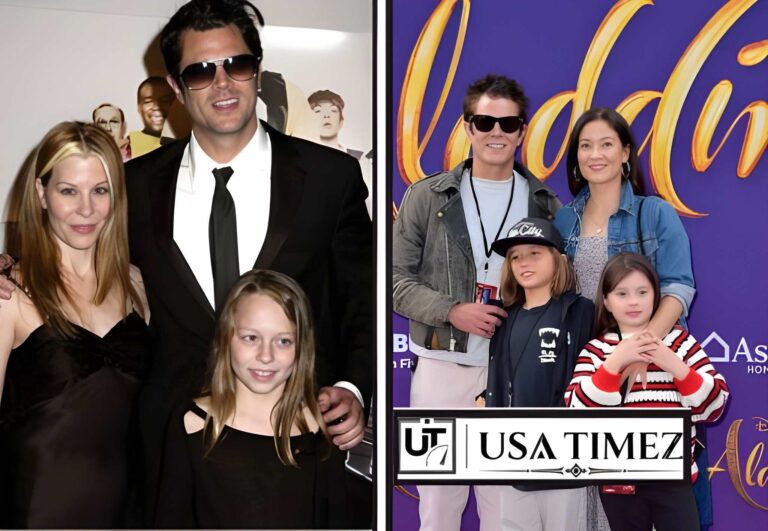
Melanie Lynn Clapp is an American fashion and interior designer. She is widely known as the former wife of actor and stunt performer Johnny Knoxville. Yet her story is interesting for another reason: she built a calm, creative life far from Hollywood attention.

She experienced fame from very close range. She watched her husband become a worldwide star through Jackass. Still, Melanie Lynn Clapp never tried to turn that connection into a public career. She followed her own path through fashion, home design, motherhood, and private business.

Melanie Lynn Clapp Quick Bio

DetailInformation
Full nameMelanie Lynn Clapp
Birth year1964
BirthplaceTexas, United States
NationalityAmerican
ProfessionFashion and interior designer
Known forDesign career and former marriage to Johnny Knoxville
Former husbandJohnny Knoxville
Marriage1995–2008
ChildMadison Clapp
BusinessSide Street Home
Current baseAustin, Texas

Early Life and Creative Roots in Texas

The story of Melanie Lynn Clapp begins in Texas. She was born in 1964 and spent her early years away from the entertainment world that would later surround her.

Texas remained an important part of her identity. It was not only the place where she grew up. It later became the place where she rebuilt her professional and personal life.

Creativity appears to have been a natural part of her character. Her later work shows a strong interest in clothing, color, texture, furniture, and the feeling of a room. These interests would eventually lead her into two connected fields: fashion and interior design.

Her early life also shaped her private nature. Even after becoming connected to a Hollywood star, she did not begin sharing every part of her story. She kept her family background and personal history outside the public spotlight.

That choice has remained consistent throughout her life. Melanie Lynn Clapp allowed her work to speak for her while keeping her most personal experiences close to home.

A Brave Move to Los Angeles

As a young woman, Melanie Lynn Clapp moved from Texas to Los Angeles. The city offered greater chances for someone interested in fashion and design. It was a major step into a faster and more competitive world.

Los Angeles could be exciting, but it was not an easy place to build a career. Designers had to understand changing styles while also creating something fresh. They needed patience, skill, and the courage to keep working when opportunities were limited.

Melanie began building experience in fashion during the 1990s. Her early professional work has been connected with companies such as Warner Bros. and Urban Outfitters. She also explored clothing and jewelry design.

Fashion gave her a way to turn ideas into real objects. A color, fabric, or small detail could change how someone felt while wearing a piece. That same understanding would later help her create warm and useful living spaces.

Los Angeles also brought a major personal change. It was during this chapter that she formed a relationship with Philip John Clapp, the man who would become famous under the name Johnny Knoxville.

Melanie Lynn Clapp and Johnny Knoxville Before Fame

When Melanie Lynn Clapp and Johnny Knoxville began their life together, he was not yet an international star. He was a young writer and performer trying to find his place in entertainment.

Their relationship belonged to a much simpler time. There were no major movie premieres, huge stunt projects, or crowds of fans following their lives. They were two young adults building a future while their careers were still taking shape.

They married on May 15, 1995. Their wedding was small and far removed from the grand celebrity ceremonies often seen in magazines.

A well-known story from that period says Johnny lost much of their wedding money while gambling. The couple still went ahead with a simple ceremony. The story has often been told with humor, but it also shows how modest their early life was.

At that point, Melanie Lynn Clapp was not marrying a famous actor. She was marrying a struggling creative person whose future was still uncertain. Their marriage began before the fame, money, and pressure that later entered their world.

Marriage, Home, and a Growing Family

The couple welcomed their daughter, Madison Clapp, in January 1996. She arrived less than a year after their wedding.

Motherhood gave Melanie Lynn Clapp a new and deeply personal role. Her life was no longer only about career plans or married life. She now had a child who needed care, safety, and stability.

Melanie kept Madison’s childhood more private than many celebrity families do. Although Johnny’s career later brought public attention, their daughter was not turned into a constant part of his public image.

That protection mattered as the family’s life began to change. Fame can open doors, but it can also remove simple freedoms. A family connected to a public figure may face cameras, gossip, travel, and long periods apart.

Through those years, Melanie Lynn Clapp remained closely connected to her daughter. That relationship would continue to be an important part of her life long after the marriage ended.

Madison later developed creative interests of her own. She made brief appearances in projects connected to Jackass and became involved in writing and film-related work. She is also known for creating and editing Chickenbutt Magazine.

Her path suggests that creativity became a shared family thread. Melanie expressed it through design, while Madison found her own voice through writing and media.

When Johnny Knoxville Became a Worldwide Star

The family’s daily life changed greatly after Jackass arrived on MTV in 2000. The show became a cultural hit and turned Johnny Knoxville into one of the most recognized stunt performers of his time.

His fearless screen image attracted a huge audience. Film projects, travel, interviews, and public appearances followed. He was no longer a struggling performer living a mostly ordinary life. He had become the face of a major entertainment franchise.

For Melanie Lynn Clapp, this meant living beside a level of fame she had not actively chosen. Her husband’s public world grew louder while she remained focused on design, home, and family.

Their personalities also appeared very different in public. Johnny built his name through danger, comedy, and bold physical stunts. Melanie preferred creative work that was careful, thoughtful, and often completed away from cameras.

These differences do not tell the complete story of a marriage. Still, they show how two people in the same family could experience fame in very different ways.

Melanie did not create a celebrity brand around herself. She did not use interviews to become a television personality. Instead, she kept developing her own identity as a designer.

A Long Marriage Reaches a Difficult Ending

Melanie Lynn Clapp and Johnny Knoxville spent more than a decade together before separating in July 2006. By then, their daughter was ten years old, and Johnny’s entertainment career was firmly established.

The end of a long marriage is rarely one sudden moment. It usually marks the closing of a life built through many shared years. There are memories, routines, family ties, and plans that must all be reconsidered.

Johnny filed for divorce in 2007. The divorce became legal in 2008, while parts of the financial settlement were completed the following year.

Reports from the divorce process described arrangements involving shared care of Madison, child support, and earnings connected with some of Johnny’s major projects. The legal details drew public attention because of his fame, but Melanie did not turn the separation into an ongoing media story.

Her quiet response is a meaningful part of this chapter. She did not build a public identity around anger or heartbreak. She moved through the change privately and placed her attention on life after the marriage.

Co-parenting also kept Melanie Lynn Clapp and Johnny connected through their daughter. Their roles as husband and wife ended, but their roles as Madison’s parents continued.

Finding a New Direction Through Design

A divorce can leave a person feeling as if life has split into a “before” and an “after.” For Melanie Lynn Clapp, design became an important bridge between those two parts of her story.

She had already gained fashion experience in Los Angeles. Over time, however, her creative attention moved from clothing and jewelry toward interiors.

The change made sense. Fashion and interior design share many of the same building blocks. Both involve color, balance, materials, shape, and personal style. One helps people express themselves through clothing. The other helps them feel at home inside a space.

Interior work also requires practical thinking. A beautiful room must still work for the people living in it. Furniture needs to fit. Lighting must create the right mood. Old and new pieces need to feel connected rather than placed together by accident.

Melanie Lynn Clapp brought her fashion eye into this new field. Her design style became linked with comfortable spaces, carefully chosen objects, and a mix of modern and vintage influences.

This professional shift gave her more than a job. It allowed her to create a career that matched the life she wanted—creative, independent, and based outside Hollywood.

Side Street Home and a Return to Austin

Melanie Lynn Clapp eventually returned to Texas and became based in Austin. There, she developed Side Street Home, a business connected with interior design and home décor.

The move brought her journey full circle. She had left Texas to explore fashion in Los Angeles. Years later, she returned with experience, a sharper creative eye, and a clearer sense of her own direction.

Side Street Home reflected her interest in rooms that feel lived-in and personal. Her work included home pieces and interior ideas that blended beauty with comfort. Vintage character also became part of the style linked to her business.

Austin was a natural place for this kind of work. The city has a strong creative culture and values homes with warmth, originality, and personality. It offered Melanie a setting where she could build professional respect without living inside the Hollywood machine.

Her design work has also been connected with Austin design coverage and events involving AIA Austin and Tribeza. This attention came from her creative field rather than her former marriage.

That difference matters. Melanie Lynn Clapp first entered public awareness because of Johnny Knoxville, but her work in Austin helped her stand on her own name.

A Career Built on Quiet Skill

Melanie’s career does not follow the usual celebrity story. There was no reality show, major personal brand, or endless stream of sponsored posts. Her progress came through practical creative work.

Design requires listening. A designer must understand how a client lives and what a space needs. The work is not only about choosing attractive objects. It is about creating an environment that feels natural to the person using it.

This kind of career suited Melanie Lynn Clapp. It allowed her to be expressive without making herself the center of attention. Her ideas could be seen in a room, a material, or a carefully selected home piece.

Her move from fashion to interiors also shows flexibility. She did not remain trapped in one professional identity simply because it was familiar. She carried her earlier skills into a new form of design.

That ability to begin again became one of the strongest patterns in her life. She moved to a new city, entered fashion, became a mother, lived beside sudden fame, passed through divorce, and later built a design-focused life in Texas.

Each stage changed her, but creativity remained steady.

Melanie Lynn Clapp’s Private Life After Divorce

After her divorce, Melanie Lynn Clapp did not stay close to Hollywood publicity. She returned her focus to Texas, her daughter, and her work.

Her public presence became very limited. She rarely appeared in entertainment news and did not speak openly about every part of her former marriage. This helped separate her present life from the celebrity chapter of her past.

Privacy can sometimes be mistaken for disappearing. In Melanie’s case, it appears more like a clear personal choice. She continued living and working, but she did so without inviting the public into every moment.

Her approach also protected her from being defined by one relationship forever. She had already spent years being described as Johnny Knoxville’s wife. After the marriage ended, she had space to shape a life based on her own interests.

Melanie Lynn Clapp showed that moving forward does not have to be loud. A fresh start can happen through small choices, steady work, family time, and the courage to create a different daily life.

Her Lasting Bond With Madison

The relationship between Melanie and Madison remains one of the warmest parts of this story. Melanie raised her daughter through major changes in their family, including fame, separation, and divorce.

Madison grew into an adult with her own creative voice. Her interests in writing, publishing, and film show a willingness to explore ideas instead of simply relying on her father’s famous name.

Melanie Lynn Clapp likely gave her daughter a valuable example through her own work. She showed that creativity could become a real career and that a person could build an identity outside public expectations.

Their family story was not perfect or untouched by change. Yet the mother-daughter connection gave Melanie a steady role through every stage of her adult life.

Motherhood was not a short chapter placed between marriage and career. It remained part of the foundation beneath everything else she built.

Where Melanie Lynn Clapp Is Today

Melanie Lynn Clapp is associated with Austin, Texas, where she built her life around interior design and Side Street Home. She remains far removed from Hollywood entertainment.

Her current situation matches the pattern seen throughout her story. She values useful creative work more than public attention. She is known, but she does not appear interested in becoming a celebrity.

This quiet life also makes her different from many people linked to famous former partners. She had opportunities to keep herself in the headlines, yet she chose another route.

Her days are no longer shaped by the early uncertainty of Los Angeles or the intense fame of the Jackass years. The life connected with her today is calmer, more settled, and rooted in the creative world of Austin.

Conclusion

Melanie Lynn Clapp lived beside one of television’s boldest stunt performers, but her own strength took a quieter form. She moved through fashion, marriage, motherhood, sudden fame, divorce, and a new career without turning her private life into a public show.

Her story reminds us that beginning again does not need a grand announcement. Sometimes it begins with returning home, trusting an old creative gift, and slowly building a life that feels right.

Hollywood made her name familiar. Design, family, and personal independence gave that name its deeper meaning.

Frequently Asked Questions

Who is Melanie Lynn Clapp?

Melanie Lynn Clapp is an American fashion and interior designer. She is also known as Johnny Knoxville’s former wife.

What does Melanie Lynn Clapp do?

She has worked in fashion, jewelry, home décor, and interior design. She is associated with the Austin business Side Street Home.

When did she marry Johnny Knoxville?

She married Johnny Knoxville on May 15, 1995. They separated in 2006 and divorced in 2008.

Does Melanie Lynn Clapp have children?

Yes. She and Johnny Knoxville have one daughter, Madison Clapp, who was born in 1996.

Where is Melanie Lynn Clapp now?

She is based in Austin, Texas, and is connected with interior design. She continues to keep her personal life away from Hollywood attention.

Bettye Bohannon: A Life Beyond Oil Wealth and Public Headlines

0

Bettye Bohannon was the longtime wife of American oil businessman J. Howard Marshall II, sharing more than three decades of marriage before her death in 1991. Although her husband later became widely known because of his marriage to Anna Nicole Smith, Bettye lived a very different life—one built on family, privacy, and quiet support rather than public attention. Her story reflects a remarkable journey through love, wealth, personal challenges, and lasting resilience, making her an important yet often overlooked part of the Marshall family history.

Quick Bio

DetailInformation
Full nameBettye Maxine Bohanon Marshall
Also known asBettye Bohannon, Bettye B. Marshall, “Tiger”
BornDecember 9, 1902
BirthplaceCookeville, Tennessee, United States
ParentsWilliam Hopkins “Hop” Bohanon and Stella Gertrude Holsapple
Sibling connectionsMary Gladys Bohanon Hensley and Silas Keith Bohanon
HusbandJ. Howard Marshall II
Marriage1961–1991
Known forBeing Marshall’s second wife for about 30 years
Health struggleAlzheimer’s disease
DiedSeptember 12, 1991
Age at death88
Place of deathHarris County, Texas
Burial placeCookeville City Cemetery, Tennessee

Bettye Bohannon’s Early Life in Tennessee

Bettye Bohannon was born in Cookeville, Tennessee, at the beginning of the 20th century. Her birth surname appears as both Bohanon and Bohannon in historical records. The spelling with two n’s later became more common in stories about her.

Her parents were William Hopkins Bohanon, often called “Hop,” and Stella Gertrude Holsapple. Bettye grew up with strong family ties in the Cookeville area. Her known siblings included Mary Gladys Bohanon Hensley and Silas Keith Bohanon, who became a judge.

Cookeville was still a small Tennessee community during Bettye’s childhood. Family connections, churches, farms, and local businesses shaped daily life. People were often remembered through their relatives and their place in the community rather than through public achievements.

Bettye also carried the nickname “Tiger.” Local cemetery and family records preserved this unusual name. It gives a lively touch to the image of a woman who later became known mainly for her quiet life.

Growing Up During a Time of Great Change

Bettye Bohannon’s generation saw enormous changes. She was a child when cars were still rare in many American towns. She entered adulthood before modern television, commercial air travel, and many household comforts became common.

She also lived through the First World War, the Great Depression, the Second World War, and the fast growth of American industry. These were not distant history lessons for her. They happened during her lifetime and changed how families lived, worked, and planned for the future.

By the time Bettye married J. Howard Marshall, she was already a mature woman with decades of life behind her. She was not a young person suddenly entering an unfamiliar world. She had lived through difficult national events and major social change.

That point matters because short online profiles often begin her life with her 1961 marriage. Her Tennessee roots and long life before the Marshall name were also important parts of who she was.

The Marriage of Bettye Bohannon and J. Howard Marshall

J. Howard Marshall married his first wife, Eleanor Pierce, in 1931. They had two sons, J. Howard Marshall III and E. Pierce Marshall. Their marriage ended in divorce in 1961.

Marshall married Bettye Bohannon during that same year. Both were in their late fifties, so their relationship began during a mature stage of life. Marshall already had adult children, a respected legal background, and years of experience in the oil business.

Bettye entered a family whose history was already well formed. Marshall’s sons were about 25 and 22 years old. This meant she joined the family as the wife of their father, but she was not raising them from childhood.

The marriage lasted until Bettye’s death in September 1991. That made it the longest marriage of Marshall’s life. It covered three full decades and remained in place during some of the most important years of his financial rise.

Life Beside a Powerful Oil Investor

J. Howard Marshall had built a remarkable career before his marriage to Bettye. He studied at Haverford College and Yale Law School. After finishing his legal education, he worked as an assistant dean at Yale and wrote about business and petroleum law.

He later served in the United States Department of the Interior during the New Deal period. His work helped shape government thinking about oil production. He then moved deeper into private business and became involved with major energy companies.

By 1961, Marshall was already an experienced lawyer, government adviser, and oil executive. Bettye Bohannon therefore married a successful man whose working life was well established.

His wealth continued to grow during their marriage. One of his most valuable interests was a large share in Koch Industries. That holding eventually became worth an enormous amount of money as the company expanded.

Bettye did not build a public career around her husband’s position. Her recorded identity remained connected to private family life. She did not become a company spokesperson, television figure, or regular face in society pages.

A Family Surrounded by Wealth and Conflict

Money brought comfort into the Marshall family, but it did not protect them from conflict. During the 1980s, a serious disagreement developed around Koch Industries and its future.

J. Howard Marshall III supported family members who wanted changes in the company. E. Pierce Marshall took the same side as his father. The dispute damaged the relationship between Marshall and his older son.

Marshall later removed J. Howard Marshall III from his estate plans. His younger son, Pierce, became the person most closely connected to the family fortune and his father’s financial wishes.

These events happened during Bettye Bohannon’s marriage, but the major decisions belonged to Marshall and his sons. Bettye should not be blamed for choices that historical records place within their business and family dispute.

Still, she lived inside the family while these relationships were becoming more difficult. A large fortune may look impressive from the outside, but inside a home it can create fear, pressure, and deep division.

Bettye Bohannon’s Private Place in the Family

Bettye Bohannon left almost no celebrity trail. Her name appeared in family papers and formal records rather than entertainment news. This makes her different from the people who entered Marshall’s life after her death.

Privacy did not mean that she had no place in family planning. A living trust carrying the name Bettye B. Marshall was created on October 30, 1990. Later court documents continued to refer to that trust.

The trust also became connected to an E. Pierce Marshall family trust. Years later, the name Bettye B. Marshall appeared in long legal titles involving Marshall’s children, grandchildren, trustees, and estate.

This is an important part of her legacy. She was not personally involved in the famous court fights that followed Marshall’s death. However, legal arrangements made near the end of her life kept her name inside the family’s financial structure.

When Alzheimer’s Changed Her Later Years

The hardest part of Bettye Bohannon’s life came with Alzheimer’s disease. By the mid-1980s, people around the Marshall family had noticed clear signs of her decline.

Alzheimer’s slowly damages memory, thinking, speech, and the ability to complete daily tasks. The changes often begin quietly. A person may forget familiar details or become confused. Over time, the illness can take away much of their independence.

For a family, this creates a special kind of grief. The person is still physically present, but parts of the life once shared with them begin to disappear. Simple conversations, familiar routines, and old memories can become difficult.

As Bettye’s condition became more serious, Marshall relied more heavily on assistants for daily and business matters. Their home life was no longer the same. The illness changed the final chapter of a marriage that had lasted for decades.

Bettye Bohannon’s health struggle deserves to be treated with care. It was not a small detail added to her biography. It shaped her last years and affected the people living around her.

A Painful Challenge Inside the Marriage

Bettye’s illness was not the only difficult part of those years. In 1982, Marshall began a relationship with Jewell Dianne “Lady” Walker, a woman he had met in Houston.

Marshall gave Walker jewelry, money, and other expensive gifts. Their relationship continued while Bettye was alive and dealing with Alzheimer’s disease.

This part of the story is uncomfortable, but leaving it out would create a false image of the marriage. Bettye was still Marshall’s wife. At the same time, his attention and money were increasingly directed toward another woman.

Walker died in July 1991 after suffering complications during a cosmetic procedure. Her death reportedly left Marshall deeply upset.

Bettye Bohannon died only two months later. Losing both women within such a short time marked a sudden and emotional break in Marshall’s life. The quiet world that had existed during most of his second marriage was gone.

The Death of Bettye Bohannon

Bettye died on September 12, 1991, in Harris County, Texas. She was 88 years old and had spent her final years living with Alzheimer’s disease.

Her marriage to Marshall ended after about 30 years. For him, it closed the longest personal relationship of his life. For Bettye, it ended a journey that had taken her from a small Tennessee town into one of America’s wealthiest oil families.

Her body was returned to Cookeville, where she was buried in Cookeville City Cemetery. That burial brought her story back to the place where it began.

Her grave records her as Bettye Maxine “Tiger” Bohanon Marshall. It holds both sides of her identity: the Tennessee woman known to her family and the wife whose married name became connected to wealth, trusts, and national court cases.

What Happened After Bettye’s Death

Soon after Bettye died, Marshall met Vickie Lynn Hogan, who became famous as Anna Nicole Smith. They met in Houston in 1991, when she was working as a dancer.

Their relationship attracted far more attention than his marriage to Bettye Bohannon ever had. Marshall was an elderly billionaire, while Smith was a young woman trying to build a modeling career.

They married on June 27, 1994. Marshall was 89, and Smith was 26. Photographs of the couple and their large age difference turned the marriage into a worldwide story.

Marshall died in August 1995, only about 14 months after the wedding. Smith then became involved in a long legal battle over his estate. The dispute continued for years and reached the United States Supreme Court.

Bettye was not part of that marriage or the public fight that followed. Yet the later drama caused people to look back at Marshall’s earlier family life. That is how her name slowly became part of the wider story.

Bettye Bohannon and Anna Nicole Smith Were Very Different

Bettye Bohannon and Anna Nicole Smith are often placed beside each other because they married the same man. Their lives, however, belonged to different times and followed very different paths.

Bettye married Marshall when both were mature adults. Their relationship lasted around 30 years and stayed mostly outside the press. Smith married him near the end of his life, and their 14-month marriage became a major media event.

Bettye was raised in Tennessee at the start of the 1900s. Smith grew up in Texas decades later and became a model, actress, and television personality. One woman left a trail of family and legal records. The other lived under constant public attention.

The contrast helps explain why Bettye’s story is quieter. It does not make either woman more or less important. It simply shows that they lived in different worlds, even though their lives became connected to the same man.

The Lasting Legacy of Bettye Bohannon

Bettye Bohannon’s legacy is quiet but clear. She was part of Marshall’s life for far longer than the famous marriage that came after hers. She stood within the family during the period when his business interests grew into an extraordinary fortune.

Her name also survived in the Bettye B. Marshall Living Trust. That trust later appeared in court cases involving the Marshall family, showing that her identity remained part of its formal history.

Her final years also bring attention to the human cost of Alzheimer’s disease. Wealth could provide care and comfort, but it could not stop the illness from changing her daily life.

Most of all, Bettye’s story shows why quieter lives deserve careful attention. She did not leave behind interviews or a public performance of herself. Her story survives through family connections, local history, a grave in Tennessee, and a marriage that lasted three decades.

Final Thoughts

Bettye Bohannon was more than a short chapter in J. Howard Marshall’s biography. She was a Tennessee-born woman who became his wife in 1961 and remained married to him until her death in 1991.

Her life touched wealth, family conflict, illness, and loss. Yet she stayed outside the celebrity world that later surrounded the Marshall name.

Remembering Bettye adds balance to the story. Before the models, courtrooms, and headlines, there was a 30-year marriage and a woman called “Tiger” whose journey began and ended in Cookeville.

Frequently Asked Questions

Who was Bettye Bohannon?

Bettye Bohannon was the second wife of oil investor J. Howard Marshall II. They were married from 1961 until her death in 1991.

Where was Bettye Bohannon born?

She was born in Cookeville, Tennessee, on December 9, 1902. She was the daughter of William Hopkins Bohanon and Stella Gertrude Holsapple.

How long was Bettye married to J. Howard Marshall?

Their marriage lasted about 30 years. It was the longest of Marshall’s three marriages.

What illness did Bettye Bohannon have?

Bettye lived with Alzheimer’s disease during her later years. The illness slowly affected her memory and daily life.

How was Bettye connected to Anna Nicole Smith?

Both women married J. Howard Marshall II. Bettye died in 1991, and Marshall married Anna Nicole Smith in 1994.

Who Is Cicely Johnston? The Untold Story of Demond Wilson’s Wife

0

Cicely Johnston is a former American model best known as the wife of legendary Sanford and Son actor Demond Wilson. Although she spent more than five decades beside one of television’s most recognizable stars, she chose a life away from the spotlight, focusing on her family instead of fame. Together, she and Wilson built a marriage that endured success, personal struggles, faith, and loss while raising six children. Her story is not simply about being married to a famous actor—it is about quiet strength, lasting love, and the woman who stood beside Demond Wilson through every chapter of his remarkable life.

Quick Bio

Quick detailInformation
Full nameCicely Loise Johnston
Birth periodAround 1945
NationalityAmerican
Early workAirline stewardess and model
Screen creditA small appearance in Caged Heat (1974)
Known forHer long marriage to actor Demond Wilson
Marriage dateMay 3, 1974
HusbandDemond Wilson, until his death in 2026
ChildrenSix: Christopher, Nicole, Melissa, Sarah, Tabatha, and Demond Jr.
GrandchildrenTwo
Public imagePrivate, family-centered, and closely tied to Wilson’s legacy
Current situationLiving privately after her husband’s death

The Early Life That Shaped Cicely Johnston

Cicely Johnston came of age before social media and nonstop celebrity news. Her early adult life began far from television fame. She worked as an airline stewardess, a job that called for patience, confidence, and care around people. She later entered modeling, where her poise became part of her work.

These jobs placed her in public-facing spaces, yet neither turned her into a major celebrity. That difference matters. Cicely had already worked and built her own life before becoming known as Demond Wilson’s wife. She did not arrive in his world as a fan hoping to borrow a famous name.

A Brief Step Into Film

In 1974, she had a small screen credit in Caged Heat. The prison drama was Jonathan Demme’s first feature film as a director. Her brief part did not lead to a long acting career, but it gave her an independent connection to the entertainment world.

How Demond Wilson Brought Fame Close to Home

By the time she married Demond Wilson, he was already one of television’s most familiar faces. Sanford and Son began in 1972 and quickly became a hit. Wilson played Lamont Sanford, the thoughtful son who tried to manage the wild plans of his father, Fred, played by Redd Foxx.

The comedy was loud, fast, and funny, but it also held cultural importance. It was among the early network hits built around a mainly Black cast. Millions of people watched the father and son argue, work, and care for each other. Wilson’s face became part of American family rooms each week.

Marriage placed Cicely beside that sudden public attention. She could have turned the connection into a career of interviews and appearances. Instead, she remained outside the show around the show. Viewers knew Wilson as Lamont, while his wife kept their real household separate from his television one.

Cicely Johnston and Demond Wilson’s Marriage

The couple married on May 3, 1974, in the middle of Wilson’s biggest television years. Sanford and Son was still running, he was earning major money, and Hollywood offered them a glamorous life.

From the outside, they seemed to have everything. Wilson later spoke about a large Bel-Air home, a Rolls-Royce, and a weekly salary that most families could hardly imagine. Yet a beautiful house could not protect a marriage from pressure. Their life together would soon prove that love is tested by what happens after the wedding, not by how bright the wedding day looks.

The couple stayed married until Wilson’s death on January 30, 2026. Their union lasted more than 51 years. Its length is remarkable, but the harder parts make it more meaningful. They did not simply avoid trouble. They faced a period when the marriage nearly ended and then found a way to rebuild it.

A Large Family Away From the Cameras

Cicely Johnston and Demond became parents to six children: Christopher, Nicole, Melissa, Sarah, Tabatha, and Demond Jr. By the end of Wilson’s life, the family also included two grandchildren. The children grew up with a father recognized by strangers and a mother who kept a lower profile.

The sitcom ended, new roles came and went, and ministry later replaced Hollywood as the center of Wilson’s public life. Still, the children were not turned into a celebrity attraction. Cicely Johnston held a clear line between public interest and family life.

Building a More Normal Home

In the mid-1980s, the family left the grand Bel-Air setting and moved to Mission Viejo. Wilson said he wanted his children to have a more normal childhood away from the false side of Hollywood. Their days included simple activities such as picnics, bike rides, sailing, and fishing.

The move showed the family’s new direction. Bigger was no longer the same as better. A quieter community offered what money and status had failed to give them: space to breathe and build a healthier daily rhythm.

The Painful Test Behind Their Long Marriage

The most important truth about this marriage is that it was not always peaceful. In a 1986 interview, Demond Wilson spoke openly about the harm he caused during his years of fame. He described a costly cocaine habit, affairs, loneliness, and deep unhappiness. He also admitted that his choices damaged his marriage to Cicely Johnston.

For Cicely, the glamour around her husband came with a painful private cost. Wilson said both of them became depressed and that she left him during their hardest period. That moment changes the meaning of their story. It would be easy to call their marriage strong simply because it lasted, but strength sometimes begins with refusing to pretend that everything is fine.

Wilson had money, a mansion, and steady work, yet he felt his life coming apart. His wife’s title offered no safety from broken trust. Their crisis showed the difference between a successful public image and a wounded home.

Repair Came Through Honest Change

Wilson’s spiritual turning point came in the early 1980s. He began to step away from the habits and values that had harmed his family. By 1986, he said the damage to the marriage had been repaired. Those words came from him, but the length of the relationship shows that the couple continued building a shared life long after the crisis.

Forgiveness should not be turned into a simple romantic line. Repair after betrayal takes time, truth, and changed behavior. Cicely Johnston stayed through the chapter that followed, but her earlier decision to leave also mattered. Keeping a family together did not mean quietly accepting every wound.

Their marriage lasted because it moved through change. It did not remain frozen in its painful years. The couple left one kind of life behind and chose another. In that sense, their five-decade bond was less about a perfect match and more about two people finding a path forward after the shine of fame had worn off.

Faith Gave the Family a New Direction

Demond Wilson became an ordained minister in the 1980s. He moved from sitcom sets to churches, speaking about faith, service, and the need to change. Later, he helped create Restoration House of America, a program connected to helping former prisoners rebuild their lives.

For Cicely Johnston, this meant another major shift in family life. She had married a rising actor. Years later, she was living beside a preacher and author. The roles were different, but both required travel, attention, and time away from home.

Faith did not erase the past. It gave Wilson a way to face it and use his story in service of others. His later books and talks often centered on spiritual life. Cicely remained beside him as the family moved from Hollywood success toward work that Wilson believed had a deeper purpose.

Life Beside More Than One Public Career

Wilson never disappeared fully from entertainment. After Sanford and Son, he starred in Baby… I’m Back! and The New Odd Couple. He later returned for film and television parts, including appearances on Girlfriends. He also wrote several books, including a memoir about his years with Redd Foxx.

Each return brought old fans back to the man they remembered as Lamont. Yet Cicely Johnston avoided building her own public brand. She was present through his acting, ministry, writing, and later wave of nostalgia. Her place in the story came from continuity rather than publicity.

Why Cicely Johnston Chose a Private Life

Modeling and film gave Cicely Johnston a view of the public world, and marriage brought her even closer to it. Her choice to stay private looks less like shyness and more like a clear personal boundary.

She did not publish a memoir about the troubled years. She did not turn her children into public personalities. She did not compete with her husband for attention. As a result, her public image rests on a few strong facts: her early work, her long marriage, her six children, and her quiet presence through many stages of Wilson’s life.

Privacy protected her from being reduced to one painful chapter. Demond spoke about his mistakes, but she did not owe the public her private response. By speaking rarely, she kept ownership of the parts of her story she did not want to share.

Later Years With Demond Wilson

As the couple grew older, Wilson was remembered for more than one role. Classic television fans still saw Lamont Sanford. Faith communities knew a minister and speaker. Readers knew an author who looked back on fame with mixed feelings.

Cicely Johnston knew him across all those identities. She had seen the rush of sitcom fame, the collapse behind it, the work of rebuilding, and the calmer years that followed. A marriage lasting more than half a century holds many versions of the same two people.

Their later life stayed mostly outside daily entertainment news. This quiet period did not make their story less important. It showed that the marriage had moved beyond the public crisis that once threatened it. Fame became only one chapter in a much longer family history.

Loss After More Than Fifty Years Together

Demond Wilson died at his Palm Springs home on January 30, 2026. He was 79, and his death followed complications from cancer. His family asked for privacy as they grieved. The news closed a life filled with acting, war service, faith, writing, and family.

For Cicely, it also ended a marriage of more than 51 years. She became the keeper of memories from a relationship that had survived public success and private pain.

The family’s request for quiet matched the way Cicely had lived for decades. There was no need to turn grief into a show. Wilson’s work already belonged to the public. The loss itself belonged to his wife, children, grandchildren, and the people who knew him beyond a television screen.

Where Cicely Johnston Is Now

Cicely Johnston is now living as a private widow and as part of Demond Wilson’s surviving family. She has not created a new celebrity role after his death. Her current life follows the limits she kept throughout their marriage.

She is still connected to Wilson’s legacy whenever people revisit Sanford and Son, read his books, or remember his ministry. Yet her own identity should not disappear inside his. She worked before their marriage, had a brief link to film, raised six children, and lived through changes that tested the whole family.

Final Thoughts

She lived close to one of the best-known Black sitcoms of the 1970s, yet she did not let television fame tell her whole story. She worked as a stewardess and model, briefly appeared on screen, married Demond Wilson in 1974, and raised six children with him.

Their life together included bright success and serious pain. Wilson’s addiction and affairs pushed the marriage to a breaking point. Faith, changed priorities, and years of rebuilding led them into a different life. They remained together for more than 51 years, until his death in 2026.

That is why Cicely Johnston remains interesting. Her life is not a loud celebrity story. It is a human one about dignity, limits, second chances, family, and grief. She stayed near the spotlight, but she never needed it to prove that her life mattered.

Frequently Asked Questions

Who is Cicely Johnston?

She is a former airline stewardess and model, best known as the longtime wife of Sanford and Son actor Demond Wilson and the mother of their six children.

When did Cicely Johnston marry Demond Wilson?

The couple married on May 3, 1974. They remained married until Wilson died on January 30, 2026, giving them more than 51 years together.

How many children does Cicely Johnston have?

She and Demond Wilson had six children: Christopher, Nicole, Melissa, Sarah, Tabatha, and Demond Jr. They also had two grandchildren by the time of Wilson’s death.

Did Cicely Johnston Work in Entertainment?

She worked as a model and had a small appearance in the 1974 film Caged Heat. She did not build a long acting career and later lived mostly outside Hollywood.

What Is Cicely Johnston Doing Now?

She is living privately after the death of her husband in 2026. She remains part of Demond Wilson’s family story and public legacy but keeps her daily life away from media attention.

Alissa Mahler: A Scholar, Devoted Wife, and Loving Mother Beyond the Spotlight

0

Alissa Mahler is an American psychology researcher, university educator, and the wife of political commentator Michael Knowles. Although many people know her because of her husband’s public career, Alissa has quietly built a meaningful life of her own through education, research, and family. She has spent years studying how young people grow, make decisions, and overcome challenges while also building a happy family as a devoted wife and mother of three sons. Instead of seeking fame or attention, she has chosen a life focused on learning, helping others, and protecting her family’s privacy. Her journey is a reminder that a meaningful life is not always lived in the spotlight.

Quick Bio

DetailInformation
Full nameAlissa Mahler
Married nameAlissa Knowles
NationalityAmerican
ProfessionPsychology researcher and educator
Main fieldDevelopmental and forensic psychology
Research focusTeen development, delinquency, future expectations, and juvenile justice
UniversityUniversity of California, Irvine
Doctoral degreePhD in Psychological Science, 2019
Later academic workPsychology teaching at Arizona State University
HusbandMichael J. Knowles
MarriageJune 2018
ChildrenThree sons
Publicly known forAcademic research and marriage to Michael Knowles

The Early Life of Alissa Mahler

The clearest part of Alissa Mahler’s early story begins in the Bedford area of New York. She and Michael Knowles knew each other during their school years. Their first meetings happened long before careers, podcasts, marriage, or public attention entered their lives.

Michael has shared a sweet disagreement about the exact moment they met. He remembers seeing her in a fifth-grade district orchestra. Alissa remembers them meeting in a sixth-grade homeroom. Both memories point to the same truth: they had known each other since childhood.

That small detail gives their story a warm beginning. They were not introduced at a media event or through famous friends. They were simply two children attending school in nearby communities.

By eighth grade, there was already a spark between them. Their friendship slowly changed as they became teenagers. In 2006, they began dating. The relationship would continue through school, college, career changes, and adulthood.

Music also played a small but meaningful part in their earliest connection. A school orchestra may sound like an ordinary place, yet it became the starting point of a bond that lasted for many years.

A Personal Background Shaped by Learning

Education became one of the strongest parts of Alissa Mahler’s adult identity. She did not build a public career around entertainment or political opinion. She chose the quieter world of study, data, teaching, and research.

She attended the University of Maryland, where her studies included psychology and history. These subjects gave her two useful ways to understand people. Psychology looked at thoughts, emotions, and behavior. History showed how human choices are shaped by time, culture, and society.

This combination later made sense in her research. She became interested not only in what young people do, but also in the conditions around them. Family life, neighborhoods, school, hope, fear, and contact with the justice system can all affect a teenager’s choices.

Alissa Mahler continued her graduate studies at the University of California, Irvine. She joined the Department of Psychology and Social Behavior, which later became part of the university’s psychological science program.

Graduate study is demanding. It involves long hours of reading, collecting information, testing ideas, and writing. Progress often happens slowly. Alissa stayed with that path for years and completed her PhD in Psychological Science in 2019.

Her dissertation studied the connection between a young person’s hopes for the future and criminal behavior. This was not a light subject. It asked an important human question: when teenagers believe they have a future worth reaching, can that hope help change their choices?

Alissa Mahler’s Research Career

Before completing her doctorate, Alissa Mahler gained research experience connected with the Eunice Kennedy Shriver National Institute of Child Health and Human Development. The institute studies health and human growth across important stages of life.

Her work there involved research on adolescents, young adults, and relationships. That experience helped prepare her for larger projects about youth development.

At UC Irvine, she served as a graduate research assistant with the Center for Psychology and Law. Her work focused on adolescent development, juvenile delinquency, and patterns of antisocial behavior.

These topics are often discussed in cold language. Yet they concern real children and families. A teenager’s arrest can affect education, mental health, friendships, work, and future plans. Research helps show why some young people recover while others return to harmful behavior.

Hope, Expectations, and Teen Behavior

One of Alissa Mahler’s best-known studies examined young people after their first arrest. The study followed more than 1,100 teenagers for three years.

The research found an important connection. Young people with stronger hopes for future success showed lower levels of offending and better school grades. Better behavior and stronger grades could then help build even more hope.

This created a meaningful circle. Hope could support better choices, and better choices could make the future feel more possible.

The lesson was not that positive thinking fixes every problem. Teenagers also face real barriers. Poverty, unsafe neighborhoods, weak schools, family stress, and unfair treatment can shape their lives. Still, the study showed that future expectations matter.

Alissa Mahler’s work helped move the discussion beyond punishment. It pointed toward the value of education, personal goals, support, and a believable path forward.

Impulse Control and Difficult Choices

Another part of her work looked at impulse control. Teenagers sometimes act quickly without fully thinking about what may happen next. Their brains and emotional skills are still developing.

Research involving Alissa examined how impulse control worked together with hopes and goals. Wanting a better future was important, but young people also needed the ability to pause and make safer choices.

Her studies covered delinquency, risky sexual behavior, aggression, and contact with law enforcement. These are hard subjects, but they can lead to useful answers. They help teachers, counselors, courts, and families understand what kind of support a young person may need.

The Effect of Neighborhoods and Life Expectancy

Alissa Mahler also contributed to research about neighborhood conditions. Young people who grow up around violence, disorder, or constant danger may begin to think differently about the future.

Some teenagers may believe they will not live long. That belief can change the way they judge risk. If tomorrow feels uncertain, a dangerous choice today may seem less serious.

Research bearing her married name, Alissa Knowles, explored links among neighborhood disorder, expected life span, risk-taking, and delinquency. The work added emotional depth to a difficult social issue. Harmful behavior does not appear from nowhere. It often grows from fear, pressure, and limited hope.

A Childhood Friendship That Became Lasting Love

While Alissa Mahler was building an academic life, her relationship with Michael Knowles continued to grow. They had started dating as teenagers, years before Michael became a public political commentator.

A long relationship passes through many versions of two people. They knew each other as school students. They watched each other choose universities and begin careers. They also faced the normal changes that come with growing from teenagers into adults.

That history gave their relationship a different kind of foundation. They did not meet after either person had become successful. Their bond came first.

Michael’s career took several turns. He studied history and Italian literature at Yale University. He also trained as an actor and appeared in small film and online projects. He later entered conservative media, joined The Daily Wire, and became the host of The Michael Knowles Show.

As his audience grew, Alissa remained focused on research and education. Their working lives looked very different. Michael’s work depended on public attention. Her work depended on careful study, private focus, and reliable evidence.

Their different paths did not erase their shared history. Instead, the relationship continued through each new stage.

Engagement and Marriage

After more than ten years together, the couple became engaged in February 2017. Michael shared the happy moment with a playful caption, joking that Alissa had said “maybe.”

They married in June 2018. The wedding marked the formal beginning of a new chapter, but their life together had already been built over many years.

For Alissa Mahler, 2018 was also a busy period in her academic journey. She was working toward the final stage of her doctorate while beginning married life. The following year, she completed her PhD.

Those two milestones required different kinds of commitment. One honored a long relationship. The other completed years of serious study. Together, they made 2018 and 2019 major turning points in her life.

Becoming Parents to Three Sons

Alissa Mahler and Michael Knowles welcomed their first son in January 2021. Their second son arrived in August 2022. In June 2024, Michael announced the birth of their third baby boy.

The births changed the shape of their family in a short period. Within less than four years, they became parents to three young children.

The couple has protected the boys’ identities. Michael sometimes speaks about fatherhood or shares a small family moment, but the children are not treated as part of a public brand. Their names and personal lives remain guarded.

That boundary matters when one parent has a large audience. Children cannot fully understand or choose public attention. Keeping their daily lives private gives them room to grow without constant outside judgment.

Alissa’s background in child and adolescent development adds another layer to this chapter. Academic knowledge and real parenthood are not the same experience. Still, her years of studying young people likely gave her a deep respect for the role of safety, hope, patience, and stable relationships.

The Challenges Behind a Quiet Life

A private life is not always an easy life. Alissa Mahler has moved through several demanding seasons. She completed advanced research, published academic work, entered university teaching, supported a long marriage, and became the mother of three boys.

Doctoral work alone can place great pressure on a person. Research may take years before reaching publication. Results can change. Papers can be rejected or revised many times. Much of the effort happens without praise or public notice.

Her family also lives close to political debate. Michael’s work brings strong support from some people and strong criticism from others. Public disagreement can easily reach a commentator’s home and family.

Alissa has handled that situation by keeping a clear distance between her private identity and her husband’s public role. She does not appear beside him every time he speaks. She also does not use his audience to create a celebrity career for herself.

This choice protects more than privacy. It gives the family a space that does not belong to politics, headlines, or online arguments.

Why Alissa Mahler Avoids the Celebrity Role

Some online profiles incorrectly describe Alissa Mahler as a television personality. Her public record tells a different story. She is a trained researcher and educator whose work belongs to psychology and the study of law.

She has appeared with Michael at selected events and in personal photographs. However, she does not seek regular interviews, build her own entertainment platform, or turn family moments into daily content.

Her privacy has sometimes caused weak biography sites to fill the empty space with guesses. They publish unsupported figures about her income, body measurements, habits, and lifestyle. Such details add little to her real story.

Her academic work offers far more value. It shows what she studied, what questions she asked, and how her findings may help adults understand young people facing serious challenges.

Privacy should not be treated as a mystery that needs to be solved. In Alissa’s case, it appears to be a boundary that has allowed her to keep work, marriage, motherhood, and public attention in separate places.

Alissa Mahler’s Later Career and Current Life

After earning her doctorate in 2019, Alissa Mahler’s recorded academic placement was at Arizona State University. She became connected with its School of Social and Behavioral Sciences as a lecturer.

Her later teaching has included subjects related to forensic and correctional psychology. These areas study human behavior within courts, prisons, rehabilitation programs, and other parts of the justice system.

University records also show her supporting students. She has guided academic work and appeared in professional psychology-and-law programs under the name Dr. Alissa Knowles.

This is a natural step from research into teaching. Her earlier work examined how justice involvement affects young people. Teaching gives her a chance to help future psychologists understand the same issues with care and evidence.

At the same time, Alissa and Michael are raising their three sons. Her present story is therefore not only about being a scholar or a public figure’s wife. It is about carrying several roles without turning every part of life into a performance.

Conclusion

Alissa Mahler is much more than the wife of Michael Knowles. She is a trained psychology researcher, an educator, a childhood sweetheart, and a mother of three sons.

Her journey moved from school days in New York to years of university study and serious research. She examined the lives of teenagers who faced arrests, unsafe surroundings, risky choices, and uncertain futures. Her work showed why hope and support can matter during the hardest years of growing up.

At home, she built a marriage from a relationship that began in adolescence. As Michael entered the public spotlight, she kept her own identity rooted in education, family, and privacy.

Her story is not loud. That is exactly what makes it memorable.

Frequently Asked Questions

Who is Alissa Mahler?

Alissa Mahler is an American psychology researcher and educator. She is also known as the wife of political commentator Michael Knowles.

What does Alissa Mahler do for a living?

She has worked in psychology research and university teaching. Her main subjects include adolescent development, juvenile justice, delinquency, and forensic psychology.

What degree does Alissa Mahler hold?

She earned a PhD in Psychological Science from the University of California, Irvine, in 2019.

When did Alissa Mahler marry Michael Knowles?

Alissa and Michael married in June 2018. They had known each other since childhood and began dating as teenagers.

How many children do Alissa and Michael have?

They have three sons. Their children were born in 2021, 2022, and 2024.

Inside the Private Life of Christina Erika Carandini Lee

0

Christina Erika Carandini Lee is best known as the only daughter of legendary British actor Sir Christopher Lee, whose unforgettable performances as Dracula, Saruman, and Count Dooku made him a global icon. While her father spent decades in the spotlight, Christina chose a far quieter path, building a private life centered on family, creativity, and meaningful collaborations rather than fame.

Although she stayed away from Hollywood attention, Christina has contributed to several artistic projects, including narration and voice performances alongside her father. Her story is one of quiet strength, lasting family bonds, and preserving the legacy of one of cinema’s greatest actors while remaining true to her own identity.

Quick Bio

DetailInformation
Full nameChristina Erika Carandini Lee
Date of birthNovember 23, 1963
BirthplaceLausanne, Switzerland
Age62 years old as of July 2026
FatherSir Christopher Lee
MotherBirgit “Gitte” Krøncke Lee
SiblingsNone
SpouseJuan Francisco Aneiros Rodriguez
Marriage dateJuly 28, 2001
Known forBeing Christopher Lee’s daughter and contributing narration and vocals to music projects
Notable characterLothen in Rhapsody of Fire’s fantasy albums
Public lifestyleQuiet, private, and family-focused

The Early Life of Christina Erika Carandini Lee

Christina Erika Carandini Lee was born on November 23, 1963, in Lausanne, Switzerland. Her arrival came just over two years after her parents married in March 1961. She was their first and only child.

By the time she was born, her father was already one of the most striking faces in British cinema. Christopher Lee had appeared as Frankenstein’s monster, the Mummy, and Count Dracula. His tall figure and deep voice made him perfect for dark and powerful roles.

Her mother, Gitte, brought a different kind of art into the family. She had worked as a Danish model and actress and was also known for her interest in painting. Christina therefore entered a home shaped by film, fashion, visual art, storytelling, and music.

Her birthplace also reflected the international nature of her family. Her father was British with English and Italian roots. Her mother was Danish, while Christina was born in French-speaking Switzerland. From the beginning, several cultures formed part of her background.

A Difficult Beginning for the Family

The happiness around Christina’s birth was joined by a serious worry. Published accounts of Christopher Lee’s life record that she was born with a severe condition affecting her legs.

For two young parents, this must have changed the mood of those early days. The joy of welcoming a baby suddenly came with fear and a need for careful medical support. It was an emotional beginning that stood far away from the glamour people connected with Christopher Lee.

This part of Christina Erika Carandini Lee’s story also reminds readers that famous families face private struggles. Movie posters and public photographs may show success, but they never show every difficult moment inside a home.

Her early health struggle did not become the main label attached to her life. Instead, she grew into an adult who took part in creative projects, built a lasting relationship, and kept control over her public image.

Growing Up Between Art and Cinema

Christina grew up during one of the busiest periods of her father’s career. During the 1960s and 1970s, Christopher Lee worked across Britain, Europe, and the United States. He appeared in horror films, mysteries, historical stories, and international productions.

The characters he played were often frightening. At home, however, Christina Erika Carandini Lee knew him as a father rather than Dracula. This difference between the public man and the private parent must have shaped her view of fame from an early age.

She could see that a screen image was only one part of a person. Audiences saw the cape, the cold stare, and the powerful voice. His family saw the work behind those performances. They also lived with the travel, long filming days, interviews, and pressure that came with his career.

That kind of childhood can feel exciting, but it can also be unsettled. A successful actor may spend long periods away from home. Public praise can arrive beside professional disappointment. Christopher Lee often wanted a wider range of roles and disliked being treated as only a horror star.

Christina witnessed a career that was famous but not always easy. This may help explain why she later took a careful approach to public attention.

Her Mother’s Quiet Creative Influence

Birgit Krøncke, better known as Gitte Lee, was much more than the wife of a celebrated actor. Before her marriage, she had built a career as a model in Denmark and appeared in a small number of films.

She met Christopher through shared friends in Copenhagen. The pair married on March 17, 1961, and remained together until Christopher’s death in 2015. Their marriage lasted more than 54 years.

Gitte’s calm public manner offered a balance to her husband’s enormous screen presence. She sometimes attended premieres and formal events with him, but she did not build her life around celebrity attention.

That example may have mattered to Christina. Her mother showed that it was possible to stand beside a famous person without losing a private identity. Gitte could support her husband while keeping much of the family’s daily life away from cameras.

The bond between mother and daughter became especially important because Christina was an only child. There were no brothers or sisters sharing the unusual experience of growing up inside the Lee household. The two women formed the quieter side of a family led in public by one of cinema’s strongest personalities.

Her Father’s Life Beyond the Dark Roles

Christopher Lee’s career eventually grew far beyond the horror films that first made him famous. He played the James Bond villain Francisco Scaramanga in The Man with the Golden Gun. He later portrayed Muhammad Ali Jinnah, the founder of Pakistan, in Jinnah.

A new generation met him as Saruman in The Lord of the Rings and The Hobbit. Others knew him as Count Dooku in the Star Wars films. These roles brought fresh attention to him late in life.

Christina Erika Carandini Lee watched her father move through several stages of fame. She saw him struggle against typecasting and then enjoy a major return to worldwide success. Few children see a parent’s career stretch across so many decades.

Yet his interests went beyond acting. Christopher loved history, literature, opera, and heavy metal. Those interests later created a special space where father and daughter could work together.

The Meaning Behind the Carandini Family Name

The name Carandini connects Christina to her father’s Italian family history. Christopher Lee’s mother was Countess Estelle Marie Carandini di Sarzano. The Carandini family had deep Italian roots and a long connection with music and the arts.

Christopher was proud enough of this background to use Carandini in his full name. By carrying it as well, Christina Erika Carandini Lee became part of that family line.

The name also fits the artistic shape of her life. One of her ancestors, Marie Carandini, was a respected opera singer. Generations later, Christopher became known for his rich bass voice as well as his acting. Christina then used her own voice in fantasy and heavy metal recordings.

This does not mean that every family member followed the same career. What passed through the generations was a connection with performance and storytelling. Each person expressed it differently.

For Christina, that expression remained controlled and selective. She did not try to repeat her father’s film career. She found a quieter form of creative work that suited her own place in the family.

Christina Erika Carandini Lee and Public Attention

One of Christina’s early television appearances came through her father. She appeared as herself in connection with Christopher Lee’s 1974 episode of This Is Your Life. She was still a child at the time.

The program surprised famous guests by bringing together relatives, friends, and people from their past. Her appearance was not an attempt to begin an acting career. It was a family moment inside a show celebrating her father.

This became the pattern for most of her public appearances. Christina Erika Carandini Lee usually stepped forward when the project had a direct family meaning. She did not appear to seek attention for its own sake.

In 2010, she appeared in the documentary Christopher Lee: Gentleman of Horror. The film explored her father’s long career and included people who knew or worked with him. Christina’s presence helped connect the famous performances with the human being behind them.

These appearances were limited, but they carried value. A family member can offer a view that directors, critics, and fans cannot. Christina knew the man who returned home after the costumes were removed and the cameras stopped.

Her Closest and Most Lasting Relationships

The strongest relationships in Christina’s public story are family relationships. Her parents stayed together for more than five decades. Their marriage gave her a stable centre while her father’s career moved through many countries and different periods of success.

Christina Erika Carandini Lee was also part of a wider acting family. Christopher Lee’s niece, Dame Harriet Walter, became a highly respected stage and screen actress. This meant performance was present in more than one branch of the family.

Still, Christina followed a different route. She did not compete with her father or other acting relatives. Her life shows no public need to prove that she could equal their fame.

That choice matters. Children of famous parents are often judged by unfair rules. If they enter the same career, people call them privileged. If they choose something different, people ask why they did not use the family name. Christina avoided much of this trap by keeping her life personal and joining only the projects that held meaning for her.

A Long Marriage at the Heart of the Family

Christina married Juan Francisco Aneiros Rodriguez in London on July 28, 2001. Their marriage brought another important relationship into the Lee family.

Juan did more than stand beside the family at private events. He became involved in Christopher Lee’s musical world and was later described as both his son-in-law and musical collaborator. This created a close link between family life and creative work.

The relationship also helped form a small circle around Christopher during his later years. As the actor explored heavy metal and historical concept albums, Christina and Juan became connected with that surprising new part of his career.

For Christina Erika Carandini Lee, marriage did not lead to a louder public life. The couple continued to appear only when a family or creative project called for it. Their approach remained steady and private.

Marriage and Life With Juan Francisco Aneiros

The wedding of Christina Erika Carandini Lee and Juan Francisco Aneiros was reported through a formal newspaper marriage notice. It was a traditional announcement rather than a large celebrity story.

That small detail says a great deal about the couple’s public style. There were no endless interviews or attempts to turn the wedding into entertainment. The marriage was treated as a personal commitment.

Juan later took part in work linked with Christopher Lee’s musical projects. A producer named Juan Aneiros is credited on Christopher’s Charlemagne: By the Sword and the Cross. Juan also appeared in the 2024 documentary The Life and Deaths of Christopher Lee, sharing memories from inside the family.

His involvement gave the family another way to protect Christopher’s story. Rather than allowing his life to be explained only by outside voices, a close relative could share moments from his later years.

The marriage therefore sits at the heart of Christina’s adult story. It joined personal companionship with shared care for a major family legacy.

Finding Her Own Voice Through Music and Narration

Christina did not build a traditional film career, but she has several genuine performance credits. Her main creative work came through spoken narration and vocals.

In 2006, Christina Erika Carandini Lee contributed narration and vocals to her father’s album Revelation. The record allowed Christopher to explore songs from opera, stage musicals, traditional music, and other styles.

Her presence made the album more personal. It was not only an actor trying something new. It was also a father sharing a creative space with his daughter.

That same year, Christina became part of the fantasy world created by the Italian symphonic metal band Rhapsody of Fire. She provided the spoken voice of Lothen on Triumph or Agony.

The role suited the band’s dramatic style. Its albums mixed heavy guitars with choirs, orchestras, magical lands, heroes, and spoken characters. Christopher Lee performed as the Wizard King, while Christina played Lothen.

For listeners, this created a rare father-and-daughter connection. Both voices helped carry the same fantasy story, but each had a separate character.

The Rhapsody of Fire Projects

Christina Erika Carandini Lee returned to the role of Lothen several times. Her voice appeared on The Frozen Tears of Angels in 2010 and on the EP The Cold Embrace of Fear: A Dark Romantic Symphony that same year.

She also joined the band’s 2011 album From Chaos to Eternity. These were not random guest appearances. Her repeated role helped link different chapters of the group’s long fantasy story.

Spoken narration may look like a small credit beside a lead singer or actor. Yet it performs an important job in a concept album. It introduces characters, moves the plot forward, and gives listeners a clear picture of the imagined world.

Christina’s work was controlled and direct. She did not try to copy her father’s famous bass voice. Her role offered a different tone within the story.

These recordings remain one of the clearest parts of her own public work. They show that she did inherit some comfort with performance, even though she used it in a limited way.

Working on the Charlemagne Albums

Christina also contributed narration to Christopher Lee’s historical metal project Charlemagne: By the Sword and the Cross. Released in 2010, the album told the story of the medieval ruler through songs, spoken scenes, and dramatic performances.

Several of its introduction tracks feature Christina Lee. She later received a narrator credit connected with the follow-up album, Charlemagne: The Omens of Death.

The project held personal meaning for Christopher because he took a strong interest in European history and believed his family line was connected to Charlemagne. Christina’s involvement added another layer to that family theme.

By joining these albums, Christina Erika Carandini Lee became more than a silent figure beside a famous parent. She became a participant in one of the boldest and most unusual chapters of his career.

A Private Life in the Shadow of a Famous Name

Living with a famous surname can create pressure even when a person does not seek fame. Every public appearance may be compared with the parent. Ordinary choices can become subjects for online stories.

Christina Erika Carandini Lee handled that pressure by setting clear limits. Her public work remained tied to music, family documentaries, and important moments in her father’s story. She did not turn her private life into a product.

Her quietness should not be mistaken for having no story. In her case, privacy appears to be an active choice. She allowed the public to see parts of her life without giving away the whole of it.

This balance has protected her from the scandals and false drama often built around celebrity families. Her name is connected more with dignity and family loyalty than with gossip.

It also gave her room to be herself. Christopher Lee’s career belonged to him. Christina did not need to recreate it to prove her worth.

The Emotional Weight of Losing Both Parents

Christopher Lee died on June 7, 2015, at the age of 93. His death followed treatment for heart and breathing problems. The announcement was held back for several days so that relatives and close friends could be told first.

The world lost Dracula, Saruman, Scaramanga, and hundreds of other screen characters. Christina Erika Carandini Lee lost her father.

That difference is important. Public grief celebrates films, awards, and famous scenes. Family grief remembers a voice in the home, shared meals, private jokes, and ordinary days that never appeared on a screen.

Christina had also worked beside him during his later musical period. The recordings they made together became more than professional credits. They became lasting pieces of a relationship between a father and daughter.

Her Father’s Final Years

Christopher remained active well into old age. His success in The Lord of the Rings, Star Wars, and The Hobbit introduced him to millions of younger viewers. He also continued recording music.

Juan Aneiros later shared a touching family memory in the 2024 documentary about Christopher’s life. During Christopher’s final time in hospital, one of The Lord of the Rings films was showing on television. He wanted to watch it with the nurses and explain how it had been made.

The moment feels warm because it brings the public and private sides of his life together. He was still a storyteller, even in a hospital room. His family helped preserve that memory.

Saying Goodbye to Gitte Lee

Christina’s mother, Gitte Lee, died on June 23, 2024, at the age of 89. A Danish film publication remembered her work as a model and actress, her long marriage to Christopher, and the daughter she left behind.

Her death closed another major chapter in the family’s life. Christina had now lost both parents whose marriage and creative world shaped her from birth.

For an only child, that change can carry special weight. Family history, photographs, memories, and personal stories no longer sit between several brothers and sisters. Christina and her husband now hold an important connection to the private side of Christopher and Gitte Lee’s lives.

The Current Life of Christina Erika Carandini Lee

As of 2026, Christina Erika Carandini Lee is 62 years old. She continues to keep her regular life away from constant media attention.

Her name remains visible through music credits, family photographs, documentary appearances, and stories about her father. She does not depend on frequent interviews or public events to remain connected with that legacy.

The 2024 documentary The Life and Deaths of Christopher Lee brought fresh attention to the family story. It included family memories and presented Christopher as a complete person rather than only a collection of famous roles.

Christina’s place in that history is quiet but secure. She is the only child of Christopher and Gitte Lee, a voice performer with her own credits, and a close witness to a remarkable life in cinema.

Conclusion

Christina Erika Carandini Lee was born into a family filled with film, art, history, and music. Her father became one of the most recognized actors in the world. Her mother brought grace, creativity, and stability into their home.

Christina faced a difficult beginning, grew up beside worldwide fame, and later found her own place through narration and music. Her marriage to Juan Francisco Aneiros added another strong relationship to the family’s creative circle.

She never tried to become a second Christopher Lee. Instead, she chose selective work, lasting relationships, and a protected private life.

Her story is not about standing in the brightest part of the spotlight. It is about staying close to the people she loved while keeping enough distance to remain herself. That may be the most human part of her journey.

Frequently Asked Questions

Who is Christina Erika Carandini Lee?

She is the only child of British actor Sir Christopher Lee and Danish model and actress Birgit “Gitte” Krøncke Lee. She has also worked as a narrator and voice performer.

When and where was Christina Lee born?

She was born on November 23, 1963, in Lausanne, Switzerland. She is 62 years old as of July 2026.

Is Christina Lee an actress?

She did not build a regular film acting career. Her public credits mainly include documentaries, narration, vocals, and spoken roles on fantasy and heavy metal albums.

Who is Christina Lee’s husband?

She is married to Juan Francisco Aneiros Rodriguez. They married in London on July 28, 2001. Juan later became involved in projects connected with Christopher Lee.

What character did Christina Lee play in Rhapsody of Fire?

She provided the spoken voice of Lothen. She performed the role across several Rhapsody of Fire releases between 2006 and 2011.

Mallory Plotnik: The Woman Behind Phil Wickham’s Faith and Family

0

Mallory Plotnik is best known as the wife of acclaimed Christian worship singer and songwriter Phil Wickham, but her life is defined by much more than her connection to a famous musician. A devoted Christian, wife, mother of four, and occasional songwriter, she has quietly supported one of modern worship music’s most influential artists while building a strong family rooted in faith, love, and grace. From standing beside Phil throughout his growing ministry and music career to helping raise their children and even contributing creatively to his work, Mallory has played an important role behind the scenes. Although she prefers to stay away from the spotlight, her story reflects the power of quiet influence, unwavering faith, lasting marriage, and a life dedicated to family rather than fame.

Quick Bio

DetailInformation
Full nameMallory Plotnik, also known as Mallory Wickham
Known forWife of worship singer Phil Wickham
HusbandPhil Wickham
Wedding dateNovember 2, 2008
ChildrenFour: Penelope, Mabel, Lottie, and Henry
Family homeSan Diego area, Southern California
FaithChristian
Creative creditCo-writer of Phil Wickham’s song “All I Am”
Notable tributePhil wrote “Just Too Good” for their 15th anniversary
Public styleWarm, family-focused, and private

A Life That Began Far from Public

Before people searched for Mallory Plotnik online, she lived outside the world of celebrity news. She was not trying to become a singer, influencer, or television figure. Her name became familiar because of the man she married, but privacy was part of her life long before public interest followed.

Her adult story is closely tied to Southern California. Phil grew up in the San Diego area and began leading worship while he was young. Music, church, and faith shaped his early path. Mallory became his longtime girlfriend during the years when that path was becoming a real career.

This part of her background matters. She did not meet Phil after all the big songs, packed tours, and awards arrived. She knew the person behind the voice while his life was still changing. Their bond grew during a season when dreams were large, but the future was not yet clear.

Love Before Some of the Biggest Worship Songs

Mallory and Phil were together before songs such as “This Is Amazing Grace,” “Living Hope,” “Battle Belongs,” and “House of the Lord” reached huge audiences. By the time they married, Phil had already released music and toured. Still, many of the songs that later shaped his public image were years away.

That timing gives their relationship a special weight. Mallory Plotnik did not enter a finished success story. She entered a growing one. A young music career often brings uncertain plans, travel, changing income, long nights, and many moments of waiting. Love has to live beside all of that.

Mallory Plotnik and Phil Wickham’s 2008 Marriage

Mallory Plotnik married Phil Wickham on November 2, 2008. The date later gained a second meaning in their story because Phil used their 15th anniversary to release a personal song for her.

Marriage joined two lives that would soon become even busier. Phil’s work required recording, travel, church events, interviews, and nights away from home. Mallory’s life became linked to a public ministry without becoming a public performance of its own.

Their marriage has lasted through career growth, four children, demanding tours, and serious moments of fear. By 2026, they had shared more than 17 years as husband and wife. That length of time says more than a polished photo ever could. It points to daily patience, repair after hard days, shared duties, and the choice to keep returning to the same promises.

Why Phil Wickham’s Career Brought Her Public Attention

Phil Wickham is one of the best-known voices in modern Christian worship music. His songs are played on Christian radio, heard at large events, and sung by church groups in many countries. His clear voice and hopeful writing helped him build a career that reaches far beyond California.

As his audience grew, people naturally became interested in Mallory Plotnik. Fans wanted to understand the family behind the artist. They saw Phil leave for tours, release new albums, and lead large rooms in worship. They also understood that a life like his does not happen alone.

Mallory did not turn that interest into a second career. She did not build a public brand around being a famous singer’s wife. Her place in the story stayed close to home. That choice helped keep a clear line between Phil’s public work and the family’s daily life.

Family Life with Four Children

Mallory and Phil are parents to Penelope, Mabel, Lottie, and Henry. Raising four children creates a full home even before tours and recording schedules are added. There are meals, school days, celebrations, tired evenings, questions, laughter, and the small worries that come with every stage of childhood.

For Mallory Plotnik, motherhood is a central part of the life people can see. The family shares selected moments, but the children are not treated as a constant source of public content. That balance gives fans a warm picture of the Wickham home while still giving the children room to grow.

Their family also changes the meaning of Phil’s work. A concert may last one evening, but the travel around it can take much longer. Every trip affects the people at home. Plans must be made. Routines have to continue. Children need comfort when a parent is away and time together when that parent returns.

The Creative Side of Mallory Plotnik

One of the most meaningful facts about Mallory Plotnik is often missed. She is credited with Phil as a songwriter on “All I Am,” a track from his 2011 album Response. The credit appears under her married name, Mallory Wickham.

This small line in the song’s history adds an important layer to her story. Mallory is not only someone who inspired music from a distance. At least once, she helped shape the words and idea of a song that became part of Phil’s recorded work.

“All I Am” is built around surrender, faith, and giving one’s whole life to God. Those themes fit the values seen across the couple’s shared life. The song does not tell listeners every detail about Mallory. It does something more honest. It shows that she took part in the creative and spiritual world at the heart of Phil’s career.

The credit also protects her story from a weak label. Calling her only a “supportive wife” makes her sound like a person standing at the edge of someone else’s work. Her writing credit shows a real creative contribution. It may be quiet, but it is recorded and lasting.

A Frightening Season When Phil Lost His Voice

On April 28, 2014, Phil faced one of the hardest moments of his career. A vocal cord polyp required surgery, followed by a month when he was told not to speak. For a singer whose work depended on his voice, the silence carried real fear. Phil later spoke about doubt and the struggle to separate his identity from his ability to sing.

At that point, he and Mallory were already married and raising young children. The crisis was professional, but it also entered family life. A tour schedule can be changed. Fear is harder to place on a calendar. The person known for filling rooms with sound had to return home and heal in silence.

In a recovery update, Phil called Mallory Plotnik a “champion among champions” through the crisis. He wrote about longing to talk with his wife again and read stories to their daughters. Those small wishes showed how deeply the silence had entered their home. Marriage had to hold uncertainty, recovery, and the question of what might happen next.

Phil eventually returned to singing. The experience shaped his faith and later music. For the family, it also became proof that a calling can bend without breaking, and that a person remains valuable even when the gift that made him famous is suddenly at risk.

The Anniversary Song Written Only for Mallory

On November 2, 2023, Phil and Mallory celebrated 15 years of marriage. The next day, Phil released “Just Too Good,” a song he wrote and recorded as a surprise gift for his wife. Its first purpose was deeply personal.

The song gave listeners a rare window into how Phil sees Mallory Plotnik. Instead of sharing private stories through an interview, he used the language he knows best: music. The gift looked back on their years together and expressed his love, pride, and hope for the years ahead.

That moment carried more feeling because it came after so much shared life. By then, the couple had raised children, handled long stretches of travel, faced Phil’s voice surgery, and watched his music reach larger crowds. The song did not celebrate a new romance. It honored a love that had already been tested by time and work.

It also created a gentle link between the public and private parts of their marriage. Fans could hear the tribute, but Mallory remained more important than the audience. The release was public; the reason for it was personal.

Privacy as a Clear and Thoughtful Choice

Mallory Plotnik has never needed constant attention to make her life feel important. She appears in selected family moments and joins Phil when there is a real reason to do so. She does not place every part of marriage, parenting, or home life before strangers.

That restraint has value. Public families can lose control of simple moments very quickly. A birthday photo becomes news. A child’s school day becomes content. A hard family season can attract guesses from people who have never entered the home. Clear boundaries protect ordinary life from becoming a show.

Privacy, in this story, is not emptiness. It is a boundary. It allows Mallory to remain a full person instead of becoming a character built by strangers online.

A Rare Conversation About Home Before the Stage

In October 2025, Phil and Mallory appeared together on the podcast Hey! It’s the Luskos. The episode was called “Home Before the Stage.” It explored family, privacy, boundaries, the lively work of raising children, and the hidden sacrifices behind a visible ministry.

The appearance mattered because Mallory Plotnik rarely steps into a public conversation. She did not use the moment to launch a personal brand. She joined her husband to speak about the life they share and the values that keep it in order.

The title of the episode captures their story well. Home comes before the stage. That does not make Phil’s work less important. It gives the work a healthy place. Music can serve people around the world, but it should not erase the people living under the artist’s own roof.

By 2026, Mallory’s current life still reflected the same steady themes: a long marriage, four children, Christian faith, family boundaries, and careful public appearances. The setting grew larger around them, yet their public message kept the center close to home.

Mallory Plotnik’s Public Image and Lasting Influence

Mallory Plotnik has a public image built on restraint rather than promotion. Readers do not connect her with scandal, brand deals, or a race for attention. They connect her with family, faith, creative partnership, and a marriage that has grown beside a demanding music career.

Her influence can be found in more than one place. It is present in the family Phil speaks about with love. It is written into the credits of “All I Am.” It is heard in “Just Too Good,” the song created for their anniversary. It was also visible in the honest 2025 discussion about putting home before the stage.

That is a meaningful legacy for someone who has not chased one. Mallory shows that a person can shape a public story without living publicly every day. She also reminds readers that success is rarely the work of one person. Behind many visible lives is a quieter partnership built through ordinary acts of care.

Her story may be gentle, but it is not small. It is the story of staying rooted while life around the family became much louder.

Final Thoughts

Mallory Plotnik is best known as Phil Wickham’s wife, but that simple label does not hold her full story. She is a mother of four, a partner through long years of music and travel, and a credited co-writer. She is also the person at the heart of one of Phil’s most personal songs.

What makes her life moving is its steady shape. She has shared success without letting fame take over the family. She has allowed a few meaningful parts of her life to be seen while protecting the rest with care.

Mallory Plotnik’s story offers a warm reminder: influence does not always stand under bright lights. Sometimes it keeps a home steady, helps write a song, stays close during silence, and gives a loved one a safe place to return.

Frequently Asked Questions

Did Mallory Plotnik ever help write one of Phil’s songs?

Yes. Under the name Mallory Wickham, she shares a writing credit with Phil on “All I Am.” The song appeared on his 2011 album Response. This is a documented creative contribution, not simply a claim that she inspired his work.

Why is “Just Too Good” important to their marriage story?

Phil wrote and recorded “Just Too Good” as a surprise for their 15th wedding anniversary in November 2023. It matters because it gives listeners a personal view of their long marriage through Phil’s music rather than through celebrity interviews.

What did Mallory’s 2025 podcast appearance reveal?

The joint conversation with Phil focused on putting home before the stage. They discussed faith, boundaries, raising children, and the sacrifices linked to a public ministry. It was a rare chance to hear Mallory take part in the story directly.

Why was Phil’s 2014 voice surgery a family turning point?

The surgery placed Phil’s career and sense of identity under pressure. He had to remain silent while healing. Mallory and their young family lived through that uncertain season with him, years before his later anniversary tribute celebrated how far they had come.