Home Blog Page 5

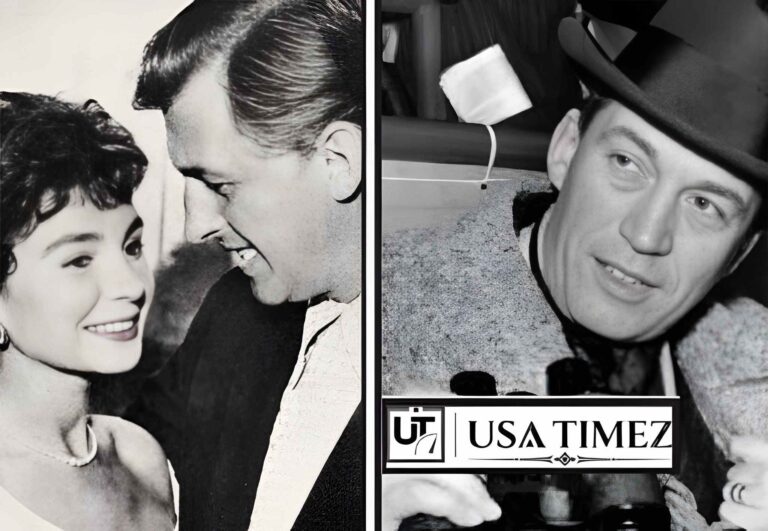
Who Was Mary Joan Schutz, Gene Wilder’s Second Wife?

0

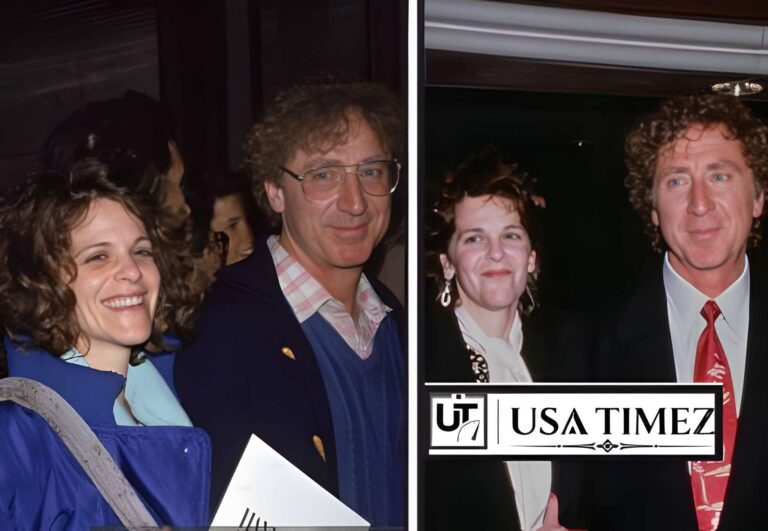
Mary Joan Schutz is best known as the second wife of famous actor Gene Wilder. Although Gene became a Hollywood star through movies like Willy Wonka & the Chocolate Factory, The Producers, and Young Frankenstein, Mary lived a quiet and private life. She was also the mother of Katharine, whom Gene later adopted. Even today, many people search for Mary Joan Schutz to learn about her life, her marriage to Gene Wilder, and what happened after their relationship ended.

Quick Bio

FactDetail
Full nameMary Joan Schutz
NationalityAmerican
Known forBeing Gene Wilder’s second wife
Former husbandGene Wilder
Marriage dateOctober 27, 1967
Marriage ended1974, after about seven years
ChildKatharine, her daughter from an earlier relationship
Family connectionGene Wilder adopted Katharine in 1967
Public careerShe did not build a known entertainment career
Public imagePrivate and focused on family

Mary and Gene married in 1967, and Gene adopted Katharine during the same year. Their marriage lasted about seven years before they separated.

A Life That Began Far From Hollywood

Mary’s public story starts before movie premieres and famous film roles. She was already living an adult life and raising a daughter named Katharine when Gene Wilder entered the picture. She did not meet him as a performer trying to find a place in Hollywood. She met him as a mother with real duties and a child to protect.

That background gives her story a different feeling. For her, romance could never be only about two people. Any serious relationship would also affect Katharine. A new partner had to be someone who could offer care, safety, and trust.

This part of her life is easy to overlook when writers focus only on Gene Wilder. Yet motherhood stood at the center of their relationship from the start. Mary’s daughter was not a small side detail. She became the emotional bridge that helped turn dating into a family.

How Mary Met Gene Wilder

Mary met Gene Wilder through his sister during the mid-1960s. Wilder had already ended his first marriage, but he was still building his acting career. He had performed on stage and was beginning to receive film roles, though the world had not yet seen him as Willy Wonka.

Their meeting did not begin as a loud Hollywood romance. It grew through a personal connection. Mary brought the steady rhythm of family life, while Gene brought a sensitive and creative nature.

The most touching part of their early relationship involved Katharine. She began calling Gene “Dad.” Wilder felt that he should take real responsibility for the role he had entered. He married Mary Joan Schutz on October 27, 1967, and adopted Katharine during the same year.

Marriage Became a Promise to Two People

When Gene married Mary, he was not only choosing a wife. He was also choosing to become a father. The marriage was more than a romantic step. It became a promise to both Mary and Katharine.

Adoption can carry deep meaning for a child. It says that the new parent plans to stay and accept real responsibility. Gene’s decision gave the family a clear sign of commitment.

Katharine became Gene’s only adopted child. Their family was small, but for a time it appeared complete. Mary stood at the center of that home, joining the life she already had with the future Gene was beginning to build.

That moment also reveals something important about Mary Joan Schutz. She was not simply entering a marriage with a rising actor. She was trying to create a safe family for her daughter. Gene’s bond with Katharine was therefore just as important as his bond with Mary.

Mary During Gene Wilder’s Rise

The year 1967 became a turning point for the family and for Gene’s career. He appeared in Bonnie and Clyde and then gave a major performance as Leo Bloom in The Producers. That role earned him an Academy Award nomination for Best Supporting Actor.

A few years later, Gene played Willy Wonka. The role made his face familiar to generations of viewers. His unusual mix of warmth, mystery, humor, and sudden anger made the character unforgettable.

During those years, Mary watched her husband move from a working actor to a major film star. Fame can change daily life in quiet ways. Workdays become longer. Travel becomes normal. Strangers begin to feel that they know the person who comes home at night.

Mary did not become a public personality beside him. She did not appear to chase acting roles or attention of her own. Her part in the story stayed close to home. That choice gave the family some distance from the growing noise around Gene’s career.

It also meant that the public mostly saw Gene’s success, not the private work needed to keep family life moving. She lived through the years when his career was changing quickly. She shared the pressure of that rise without receiving the praise that came with it.

A Home Beside a Growing Career

There is a simple truth behind many famous careers. Someone at home often carries the parts the public never sees.

Meals still need to be prepared. A child still needs comfort and guidance. Plans must change when filming runs late. Family time has to fit around a schedule that may belong to directors, producers, and studios.

Mary seems to have preferred this private side of life. She was not trying to compete with Gene’s public world. Her role was quieter, but quiet does not mean unimportant. A peaceful home can become the only place where a performer is not expected to perform.

At the same time, such a life can become lonely. The brighter Gene’s career became, the harder it may have been to keep home and work in balance. A marriage can survive busy seasons, but both people must still feel respected, heard, and trusted.

The Emotional Weight of Fame

By the early 1970s, Gene Wilder was not simply acting in films. He was becoming one of the most unusual comic performers of his time.

His style mixed nervous energy, kindness, anger, sadness, and humor. Audiences loved that mix because it felt alive. His performances could make people laugh while also showing pain beneath the surface.

During his marriage to Mary Joan Schutz, Gene appeared in some of the films that shaped his career, including The Producers, Willy Wonka & the Chocolate Factory, and Young Frankenstein. He also helped write Young Frankenstein, earning another Academy Award nomination with Mel Brooks.

Success, however, does not protect a marriage from strain. It can add new pressure. Long hours and close working relationships may create distance at home. Public praise can also make private concerns feel smaller than they really are.

For Mary, the problem was not that Gene was talented. His talent was part of the man she married. The challenge was how his growing career affected the family they had formed together.

Why the Marriage Ended

Mary Joan Schutz and Gene Wilder separated after about seven years of marriage, around 1974. The marriage that had brought three people together came apart, and the pain did not stop with the couple.

Reports often connect the breakup to concerns about Gene’s closeness with actress Madeline Kahn while they worked on Young Frankenstein. That story has been repeated for years, but it should be treated as a suspicion connected to the family conflict, not as a proven affair.

What is clear is that trust had been badly damaged. Once trust begins to break, even ordinary problems can feel much heavier. Work schedules, distance, and misunderstandings become harder to repair.

Mary did not give public interviews explaining every part of the separation. The breakup stayed largely within the family rather than becoming a long media battle.

Mary as a Mother After Divorce

After the marriage ended, Mary remained Katharine’s mother first. The breakup was not simply a change in her own relationship. It changed the shape of her daughter’s family too.

A mother in that position may feel pulled between grief and protection. She must handle her own hurt while helping a child understand an adult conflict.

Mary did not take that struggle to television or magazines. She kept the family’s pain away from public debate. This silence became an important part of the public image of Mary Joan Schutz.

Her quiet approach also kept Katharine from becoming a permanent subject in her former stepfather’s celebrity story. Mary allowed the public chapter of the marriage to close.

The Painful Break Between Gene and Katharine

The father-daughter break is one of the saddest parts of the story.

Gene had adopted Katharine because their bond felt real. She was not simply the daughter of his wife. She had become his child through daily life and legal adoption.

When the marriage ended, that bond did not survive. Gene and Katharine became estranged, and the loss remained part of his later life. Biography accounts of Wilder’s personal story also note that he lost contact with Katharine after the separation.

This adds emotional depth to Mary’s story because it shows how divorce can spread pain beyond the two adults ending a marriage. A child can lose a parent figure. A parent can lose a child. Memories that once felt warm can become difficult to revisit.

Gene later wrote the memoir Kiss Me Like a Stranger: My Search for Love and Art. The book allowed him to look back on his life, work, relationships, and personal losses. A family once joined by choice had been divided by hurt.

Choosing Privacy After Hollywood

After 1974, Mary Joan Schutz stepped away from public attention. She did not become known for television interviews, celebrity appearances, or a public career based on Gene Wilder’s name.

That decision may be the clearest sign of who she was. Privacy was not a publicity trick. It became the way she lived.

In a culture that often rewards people for sharing painful details, Mary chose not to turn her family history into entertainment. She did not need to explain every argument or defend every personal decision before strangers.

This does not make her later life empty. It simply means those years were not lived for an audience. She appears to have drawn a firm line between Gene’s public fame and her own personal world.

There is strength in that choice. Walking away from attention can be difficult when a famous name continues to bring questions. Yet Mary allowed her marriage to become part of her past instead of making it her full public identity.

Her Current Situation and Later Life

The later public story of Mary Joan Schutz is quiet. Major biographical accounts focus mainly on her marriage, Katharine’s adoption, and the family’s separation. They do not show her returning to a regular media or entertainment career.

Her name still appears because people continue to watch Gene Wilder’s films and search for the people who shared his life.

It is more useful to understand her later years through her long choice of privacy than through online guesses about money, location, or relationships. The meaningful point is that she did not return to Hollywood life.

For many people, a famous connection becomes a second career. Mary chose the opposite path. She let the public relationship end and kept the rest of her life separate from it.

Final Thoughts

She was more than Gene Wilder’s second wife. She was a mother before she met him, a partner during his rise, and the person at the center of a family that began with real hope.

Her marriage brought love and belonging to Katharine, but its ending also brought deep pain. Afterward, Mary chose a quiet path and kept her later life away from public attention.

That may be the most honest way to remember Mary Joan Schutz. She was not a mystery created for entertainment. She was a real woman who lived through love, family change, and loss without turning every private moment into a public story.

Frequently Asked Questions

Who is Mary Joan Schutz?

Mary Joan Schutz is the second wife of actor Gene Wilder. They married in 1967 and remained together for about seven years. She is also the mother of Katharine, whom Wilder adopted after joining their family.

Was Mary Joan Schutz Gene Wilder’s first wife?

No. Gene Wilder’s first wife was actress Mary Mercier. Schutz became his second wife after his first marriage ended. Gene later married Gilda Radner and Karen Webb.

Did Mary Joan Schutz and Gene Wilder have children?

They did not have a biological child together. Mary already had a daughter named Katharine. Gene adopted her in 1967, making Katharine his only legal child.

Why did Mary Joan Schutz and Gene Wilder separate?

Their marriage ended after relationship and trust problems grew between them. Reports connected the conflict to concerns about Gene’s relationship with Madeline Kahn, but an affair was not publicly proved.

What happened to Mary Joan Schutz after the marriage?

She stepped away from Hollywood attention and lived a private life. She did not build a media career from her connection to Gene Wilder. Her public image remains connected to family, dignity, and privacy.

Who Is James Westley Welch? His Life, Family, and Marriage to Raquel Welch

0

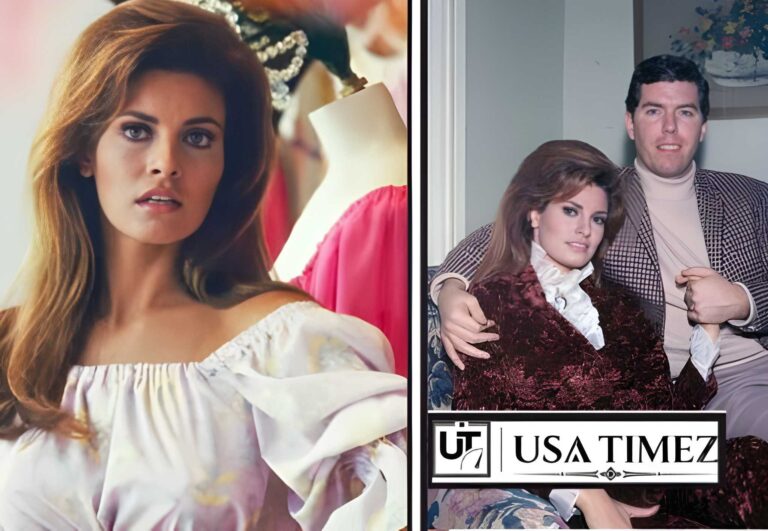
James Westley Welch was the first husband of actress Raquel Welch and the father of her two children. Although he stayed out of the public eye, he played an important role in the early years of her life. Long before Raquel became a Hollywood star, the two were high school sweethearts who built a young family together. Their marriage did not last, but James remained an important part of her story and the surname “Welch” became known around the world through her career.

Quick Bio

DetailInformation
Full nameJames Westley Welch
Known asJames Welch or Jim Welch
Best known forBeing Raquel Welch’s first husband and high school love
SchoolLa Jolla High School in San Diego
MarriageRaquel Welch, from 1959 to 1964
ChildrenDamon Welch and Latanne “Tahnee” Welch
Important early experienceA trip to Peru on a tuna clipper
Public imageA private figure tied to Raquel’s life before fame

James Westley Welch Before the Famous Last Name

The clearest part of James Westley Welch’s early story begins at La Jolla High School in San Diego. There, he was known as Jim. He played football and carried himself with a calm style that caught the eye of a young Jo Raquel Tejada.

Raquel was serious about school. She earned strong grades, performed, danced, and cheered at games. Jim was different. He spoke less, seemed more relaxed, and did not follow the same academic path. Those differences were easy to overlook when they were young. At that age, being different can make another person seem even more exciting.

He eventually left school and traveled to Peru aboard a tuna clipper. It was a bold move for a teenager and showed that his idea of life did not fit neatly inside a classroom. For Raquel, however, his departure hurt. She had already placed great hope in their relationship.

The First Meeting That Raquel Never Forgot

Raquel first noticed James Westley Welch when she was 15. She was hurrying to an American government class when she saw him. In her later memoir, she remembered his good looks and cool manner. The moment stayed bright in her mind even after many decades had passed.

Jim soon began driving her to school. Their mornings together helped a simple crush grow into a close bond. He played on the football team, while she stood on the sidelines as a cheerleader. From the outside, they looked like a classic high school couple. To Raquel, though, the feeling was much deeper.

She later described Jim as her first true love. She also said he became the person against whom she judged later romances. That memory gives the story its emotional weight. This was not a star looking back at a small teenage date. It was a woman remembering the first person with whom she imagined a whole life.

Why Their Young Romance Felt So Powerful

Young love often grows before either person fully knows who they will become. That was true for James Westley Welch and Raquel. They shared rides, school days, football games, and the strong feelings that come with a first serious bond.

Raquel was lively and talkative. Jim was quieter. She avoided alcohol, while he sometimes drank beer. She focused on honors and earned a theater scholarship. He stepped away from school and went to sea. These were real differences, but love made them seem small for a time.

When Jim left for Peru, the relationship paused. Raquel continued with school and began college at San Diego State. Yet the bond was not finished. After he returned, they came back together. That reunion pushed their teenage romance toward a much larger choice.

A Las Vegas Wedding and a Brave New Start

James Westley Welch married Raquel on May 8, 1959, in Las Vegas. She was only 18 and had not yet become Raquel Welch, the international star. She was a young theater student making a deeply personal choice.

Her father did not support the marriage. His disapproval made the decision more emotional. Raquel later explained that marrying Jim was partly an act of choosing something for herself. She wanted her own life, even if that meant going against the wishes of a powerful parent.

Jim’s family was more welcoming toward the marriage. Still, approval could not make the couple older or more prepared. They entered married life with love, hope, and very little time to grow slowly. Adult duties arrived almost at once.

James Westley Welch as a Young Father

The couple welcomed their son, Damon Welch, on November 6, 1959. Raquel was 19 by then. About two months after her birthday, she was caring for a baby while trying to understand her new role as a wife and mother.

Their daughter, Latanne “Tahnee” Welch, was born on December 26, 1961. Within a short period, James Westley Welch and Raquel had gone from high school romance to marriage and a home with two small children. That change can test even older couples with stable lives.

The children became the strongest lasting connection between them. Damon later kept a lower public profile, though he sometimes appeared with his mother at major events. Tahnee entered modeling and acting, with her best-known film role coming in Cocoon. Both children carried the Welch name into the next generation.

Home Life Before Raquel Became a Star

The marriage took place before fame changed the shape of Raquel’s world. During these early years, she studied acting, appeared in local theater, and worked as a television weather presenter in San Diego. She was also raising two children and trying to hold family life together.

James Westley Welch was therefore part of the chapter that came before magazine covers and film contracts. He knew Raquel when she was still building confidence and testing what she could do. The famous image had not been created. There was only a young woman with talent, drive, and a growing need to follow it.

That difference matters. People often enter a star’s story after success has arrived. Jim was there before the success, when every choice carried risk and no one could see how far her name would travel.

When Love and Ambition Began Pulling Apart

The same differences that once made the couple interesting slowly became harder to carry. Raquel wanted a career. Acting was not a passing hobby to her. It was a goal she was willing to chase, even while life at home demanded more of her.

James Westley Welch had his own ideas about their future. Raquel later linked the end of the marriage to their youth, her career aims, and the fact that they wanted different things. This does not turn either person into a villain. It shows two young adults growing in separate directions.

First love can be honest and still fail under adult pressure. Bills, children, work, and personal dreams do not disappear because two people once felt certain about each other. For Jim and Raquel, the dream they formed in school could not hold every change that followed.

The Separation and Divorce

James Westley Welch and Raquel separated in 1962. Their divorce became final in 1964. By that point, they had been married for about five years and were parents to two very young children.

The ending came before Raquel’s great rise in Hollywood. She moved with the children to Dallas, where she worked as a model and cocktail waitress. She later went to Los Angeles and began winning small screen roles. The road was uncertain, but she kept going.

In 1966, Fantastic Voyage and One Million Years B.C. changed her life. The second film, helped by its famous poster, made her an international symbol. By then, the marriage was over, but one part of it remained visible everywhere her career went.

Why Raquel Kept the Welch Name

Raquel was born Jo Raquel Tejada, yet the world came to know her as Raquel Welch. After divorcing James Westley Welch, she kept his surname and used it throughout her long career.

The name was short, clear, and already part of her identity when Hollywood began to notice her. It appeared on film posters, television screens, books, fitness videos, beauty products, and her star on the Hollywood Walk of Fame. A name from a young marriage became one of the most familiar names in popular culture.

This is perhaps the most unusual part of Jim’s legacy. He did not become famous through a public career of his own. Instead, his surname traveled around the world through the woman he had loved before fame. Their marriage ended, but the name stayed.

Life Outside the Hollywood Spotlight

After the divorce, the public story of James Westley Welch became much quieter. He did not turn the marriage into a celebrity career, and his name was not a regular part of Hollywood news. Public attention followed Raquel as her films, photographs, and later business work reached a huge audience.

This quiet path separates Jim from many people linked to famous stars. His importance comes from a real part of Raquel’s early life, not from years of interviews or public appearances. The record returns to him mainly when telling the story of her youth, her first marriage, and their children.

There is a certain dignity in that distance. The end of a relationship does not require a person to keep performing it for the public. Jim remained connected to a famous story, but he was never shaped into a Hollywood character.

The Children Who Joined Both Sides of the Story

Damon and Tahnee gave James Westley Welch and Raquel a bond that did not end with divorce. They were born before their mother’s breakthrough and lived through the major changes that followed.

Raquel later spoke with pain about the cost of building her career while raising children. Travel and long work periods kept her away more than she wanted. As the years passed, she made an effort to repair closeness with them. Her words showed that fame did not remove the guilt or worry of being a parent.

This family story adds depth to Jim’s place in her life. He was not simply a name in a list of four husbands. He was the father of her only two children and part of the family formed before the world began treating her as an image.

How Raquel Remembered James Westley Welch

Raquel’s memoir gave James Westley Welch a lasting place in her own words. She remembered the first sight of him, the rides to school, his calm nature, and the strength of her teenage feelings. Time had not erased the mark of that beginning.

Her memories were not a claim that the marriage should have lasted forever. She understood that they were very young and wanted different lives. Yet she could still respect the love that had once been real. That mix of warmth and honesty makes the story feel human.

Some relationships are important because they last. Others matter because they shape the people who lived through them. Jim belonged to the second kind of story. He represented a life Raquel once imagined before motherhood, struggle, and fame changed everything.

The Legacy of James Westley Welch

James Westley Welch is remembered because his private life touched a very public one. He met Raquel before the world saw the actress, model, and businesswoman she would become. He knew the schoolgirl who dreamed boldly and chose him as her first great love.

Their marriage left three clear marks. It brought Damon and Tahnee into the world. It became an important part of Raquel’s emotional story. And it gave her the surname under which she built a lasting career.

That legacy is quiet, but it is not small. The Welch name appeared beside Raquel’s face for more than half a century. Each time it did, it carried a faint link back to San Diego, morning rides to school, a Las Vegas wedding, and two teenagers who once believed their future would always be shared.

Final Thoughts

The life story of James Westley Welch is most meaningful when it stays close to the facts that made him important. He was Raquel Welch’s first love, her first husband, and the father of Damon and Tahnee. He belonged to her life before Hollywood turned her into an icon.

Their love did not survive every pressure placed upon it. Even so, it was not erased by divorce. Raquel carried the Welch name through every stage of her public life and remembered Jim as the first man who truly captured her heart.

James Westley Welch reminds us that a quiet person can leave a lasting mark without chasing fame. Sometimes a legacy lives in children, in memory, and in a name the whole world comes to recognize.

Frequently Asked Questions

Who is James Westley Welch?

James Westley Welch is best known as Raquel Welch’s high school sweetheart and first husband. They met as teenagers at La Jolla High School in San Diego. He is also the father of her two children, Damon and Tahnee Welch.

When did James Westley Welch marry Raquel Welch?

The couple married in Las Vegas on May 8, 1959. Raquel was 18 years old and had started studying theater in college. Their wedding came before her film career and international fame.

How many children did James and Raquel Welch have?

They had two children. Their son, Damon Welch, was born in November 1959. Their daughter, Latanne “Tahnee” Welch, was born in December 1961 and later worked as a model and actress.

Why did James Westley Welch and Raquel divorce?

They were very young and began wanting different kinds of lives. Raquel had strong acting goals, while Jim had his own plans for the future. They separated in 1962, and the divorce became final in 1964.

Why did Raquel Welch keep James’s last name?

Raquel had already become Raquel Welch before her Hollywood breakthrough. She kept the short, memorable surname after the divorce and used it throughout her career. It became part of one of the best-known star names of her era.

Peter Buchignani: His Life, Career, Family, and Marriage to Carley Shimkus

0

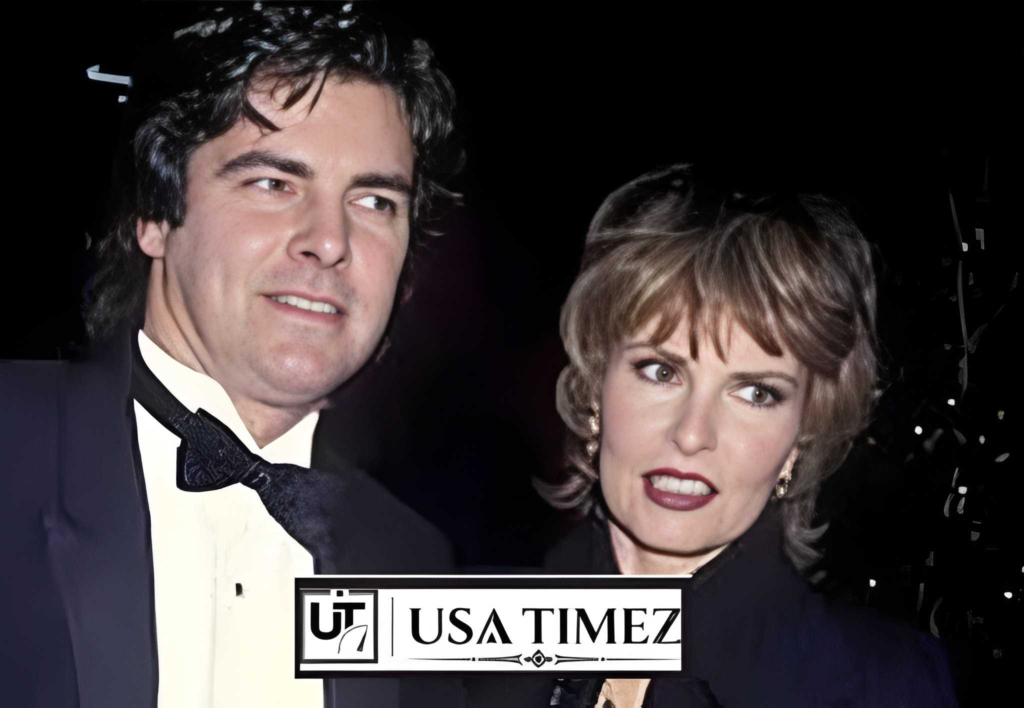
Peter Buchignani is an American finance professional, former Princeton football player, and the husband of Fox News host Carley Shimkus. Although many people know him through his marriage, his own journey is built on hard work, discipline, and steady success. From growing up in Bloomington, Illinois, to playing football at Princeton University and building a career in finance, Peter has chosen a life focused on family, professionalism, and privacy. His story shows that a meaningful life is not measured by public attention but by commitment, character, and the people who matter most.

Peter Buchignani Quick Bio

DetailInformation
Full namePeter R. Buchignani
Date of birthSeptember 21, 1986
Age39 years old as of July 2026
BirthplaceBloomington, Illinois, United States
NationalityAmerican
ParentsLeo and Mary Edna Buchignani
SiblingsOlder brother Leo and younger sister Lainey
EducationPrinceton University
DegreeA.B. in Politics
College sportFootball
Playing positionDefensive end
Princeton jerseyNumber 97
ProfessionFinance and securitized products sales
Current companySantander US Capital Markets
WifeCarley Shimkus
Wedding dateAugust 8, 2015
ChildrenSon Brock Edward; second son due in late July 2026
Publicly known forBeing Carley Shimkus’s husband and a former Princeton athlete

Peter Buchignani’s Early Life in Bloomington

Peter Buchignani was born on September 21, 1986, in Bloomington, Illinois. He grew up with his parents, Leo and Mary Edna, an older brother named Leo, and a younger sister named Lainey.

His father worked as a lawyer, while his mother cared for the family home. This gave Peter a childhood shaped by both professional discipline and strong family support. Bloomington also offered a quieter setting than the large cities where he would later study and work.

Peter attended University High School in Bloomington. During those years, sports became a major part of his life. He was not simply taking part for fun. He was learning how to work under pressure, listen to coaches, and stay committed when a goal demanded real effort.

Those early lessons followed him into adult life. The setting changed from football fields to financial offices, but the need for preparation and teamwork remained the same.

Sports Shaped His Early Character

At University High School, Peter Buchignani played both football and basketball. He earned three football letters while playing as a defensive end and tight end. He also received all-conference recognition twice.

Football required him to be strong, alert, and patient. A defensive player may spend much of a game fighting through blocks and waiting for one important moment. Success often comes from doing difficult work that most people in the crowd barely notice.

That description also fits the public image Peter later developed. He has never appeared interested in being the loudest person in the room. His life suggests that he is comfortable doing his part without needing constant praise.

Peter also played forward on his high school basketball team for two years. Moving between two sports helped him learn different kinds of teamwork. Football demanded strength and structure. Basketball required faster movement and quick choices.

By the time he left Bloomington, he had built a record strong enough to take him to one of America’s best-known universities.

Peter Buchignani’s Princeton Years

In 2005, Peter Buchignani entered Princeton University. He studied politics and joined the Princeton Tigers football team as a defensive end.

Princeton was a major step. The academic work was demanding, and college football required long hours of practice, study, training, and travel. Peter had to carry both responsibilities at the same time.

He wore number 97 and grew into an important member of the defensive line. By his senior year, Princeton listed him at 6 feet 3 inches and 255 pounds. Yet his value was not based on size alone. His record showed experience, steady effort, and the trust of his coaches.

A Dependable Princeton Defensive End

Peter started 34 games during his Princeton career. He also contributed to the Tigers team that won the Ivy League championship in 2006.

His progress began early. In 2005, he received Princeton’s Harland “Pink” Baker Award as the team’s defensive rookie of the year. The award honored a young defensive player who made a strong contribution during his first season.

He went on to earn All-Ivy honorable mention recognition in 2006 and 2007. During his final season in 2008, he moved up to the All-Ivy second team.

That final honor carried special meaning. It showed that Peter had continued to improve instead of depending on early success. In his senior season, he recorded 32 tackles, four tackles for loss, 2.5 sacks, and a fumble recovery.

Statistics tell only part of an athlete’s story. Starting 34 games means showing up through sore muscles, losses, hard practices, and academic pressure. It means being ready when a team depends on you.

Peter completed his Princeton education in 2009 with an A.B. in Politics. He did not continue toward professional football. Instead, he chose a new field that required another kind of discipline.

From Princeton Football to a Career in Finance

A politics degree could have taken Peter Buchignani toward law, government, or public service. His career moved in a different direction. Soon after graduation, he entered the financial world.

In July 2009, he began working at Barclays Capital as a sales analyst. It was a sharp change from college life. Instead of studying game plans, he was learning markets, financial products, and client needs.

Starting in an analyst position often means handling detailed work while learning from more experienced people. Accuracy matters. Small mistakes can affect large decisions. Peter’s background as a student-athlete likely gave him useful habits for this environment, including preparation, time control, and calm thinking.

He remained at Barclays until 2011. In January 2012, he joined Deutsche Bank and worked in mortgage-backed securities sales.

Mortgage-backed securities bring many home loans together into financial products that can be sold to investors. The work can be complex, but the basic purpose is simple: helping large clients understand and trade those products.

In 2015, Peter moved to Amherst Pierpont Securities. He worked in securitized products sales, building on the experience he had gained at Barclays and Deutsche Bank.

Amherst Pierpont later became part of Santander. In February 2023, the firm was renamed Santander US Capital Markets. Peter’s professional record now places him in securitized products sales at Santander US Capital Markets.

This updated company history matters because older profiles still describe Amherst Pierpont as his current employer. The name changed, but Peter continued working in the same broad part of the financial industry.

What Peter Buchignani’s Job Really Involves

The phrase “securitized products sales” can sound difficult. In simple terms, Peter Buchignani works with financial products made by grouping assets such as loans or mortgages.

His role connects financial products with large professional investors. This kind of work requires a strong understanding of markets. It also calls for trust, clear communication, and careful attention to risk.

It is not the dramatic version of Wall Street often shown in films. Much of the real work involves studying information, speaking with clients, following market changes, and building professional relationships over many years.

Peter’s career has lasted for more than a decade and a half. That steady path shows that his professional identity is based on much more than his marriage to a television personality.

How Peter Buchignani Met Carley Shimkus

Peter Buchignani and Carley Shimkus reportedly met around Carley’s 23rd birthday in 2009. Their first meeting did not lead straight into a romance. Friendship came before love.

That slow beginning gives their story a natural feeling. Some relationships grow through one dramatic moment. Others take shape quietly as two people learn who the other person truly is.

Peter was beginning his finance career during those years. Carley was building her own future in television. She joined Fox as a production assistant and later moved through several production and reporting roles.

The two began dating in 2013. By then, they were no longer students wondering where life might take them. They were working adults with demanding schedules and clear career goals.

Their friendship gave the relationship a solid base. They already knew each other before romance added a new layer to their connection.

A Love Story Tested by Distance

Peter Buchignani’s finance work was connected to Chicago, while Carley’s broadcasting career kept her around New York. Their relationship therefore included long periods in different cities.

Long-distance love can make simple things harder. Dinner together may require a flight. Weekends must be planned. A difficult day cannot always end with the other person waiting at home.

For Peter and Carley, the distance became part of their early story rather than the end of it. They continued building their careers while also making room for the relationship.

That balance required patience. It also meant respecting each other’s work. Neither person had to give up a growing career to prove that the relationship mattered.

Their experience offers a useful picture of adult love. Support is not always a grand speech or public display. Sometimes it means making another trip, adjusting another plan, or staying close across hundreds of miles.

Peter Buchignani and Carley Shimkus’s Wedding

Peter and Carley married on August 8, 2015, in New Jersey. The ceremony was private and centered on family and close friends.

Their wedding joined two lives that were already moving at a fast pace. Peter was growing in finance, while Carley was becoming more visible at Fox. Marriage did not remove the pressure of travel and work, but it gave them a shared home base in an emotional sense.

Even after the wedding, there were times when their jobs kept them in separate cities. They learned to protect their relationship while continuing to meet professional duties.

This part of their life does not have a dramatic scandal or painful public split. Its strength comes from something quieter: they remained committed while handling an arrangement that could easily place stress on a young marriage.

In August 2025, Peter Buchignani and Carley Shimkus reached their tenth wedding anniversary. A decade of marriage gave their story a deeper meaning. They had moved from friendship to dating, from long-distance travel to family life, and from being a couple to becoming parents.

Two Demanding Careers Under One Roof

Carley’s work on Fox & Friends First begins very early in the day. Live television brings strict timing, constant news changes, and public attention. Peter’s finance career also operates under pressure, but in a very different setting.

One person works in front of cameras. The other works mainly with markets and professional clients. Their days may look different, yet both careers demand focus and preparation.

Peter does not compete with his wife for public attention. He appears beside her during selected family moments, but he does not try to turn their marriage into a personal media brand.

That choice creates a healthy line between Carley’s public role and their home life. Viewers may see a family photo or a warm holiday appearance, but much of their daily life stays within the family.

Privacy, in this case, does not feel cold. It feels protective.

Fatherhood Changed the Shape of Their Home

Peter Buchignani and Carley welcomed their first child, Brock Edward Buchignani, on January 30, 2023. He weighed 7 pounds and 1 ounce and measured 19 inches long.

Brock’s birth opened a tender new chapter. Carley shared that their son had reached a place in their hearts they had not known was there. It was a simple way of describing how parenthood can create a new kind of love.

For Peter, fatherhood added another role to a life already filled with work and responsibility. The former defensive end and finance professional was now helping care for a small child who depended on him in every way.

The family has shared a few gentle glimpses of life with Brock. In one lighthearted detail, Carley said she cooked on weekends while her husband watched college football. It felt like an ordinary family scene: food in the kitchen, a game on television, and a baby changing the rhythm of the home.

Peter has also appeared with Carley, Brock, their parents, and in-laws during a family holiday cooking segment. It offered viewers a warm look at several generations gathered around food and family traditions.

These moments are small, but that is why they connect. They show Peter Buchignani as a husband and father rather than only a name attached to a television host.

A Second Son Brings Another New Beginning

On March 20, 2026, Carley announced that she and Peter were expecting their second child. The baby is another boy and was due near the end of July.

Their son Brock, now three, was preparing to become a big brother. Carley spoke warmly about her hope that the two boys would grow into lifelong friends.

As of mid-July 2026, the family was preparing for the arrival. This new chapter comes almost eleven years after Peter and Carley’s wedding. It also shows how much their life has changed since the days when they were managing a relationship between Chicago and New York.

Their home is becoming busier. There will be less sleep, more noise, and many new responsibilities. Yet there is also the joy of watching one child meet his younger brother.

Peter Buchignani’s Private Life Away From Cameras

Peter Buchignani lives close to public attention without fully stepping into it. His wife speaks to a national audience, but he rarely gives interviews or seeks a spotlight of his own.

His public identity is built from a few clear parts: family, football, education, and finance. He does not appear to be trying to sell a celebrity lifestyle.

That privacy has helped him keep a separate professional name. His career can be followed through employment and financial registration records rather than entertainment headlines.

When Peter does appear publicly with Carley, the moments tend to be family-focused. They include weddings, anniversaries, holidays, pregnancy news, and time with their son. There is little sign of performance for its own sake.

This makes his public image feel steady. He is visible enough for people to recognize him, but private enough to keep his real life from becoming a daily show.

Challenges That Helped Shape His Story

Peter’s life has included several quiet challenges. College demanded that he balance Princeton academics with Division I football. His first working years required him to leave sports behind and prove himself in finance.

His relationship then had to grow across different cities. Later, marriage brought the task of supporting two demanding careers. Parenthood added another level of responsibility.

None of these challenges needs to be turned into false drama. They are the common pressures that shape many adult lives. What stands out is the steady way Peter has moved through them.

Football may have ended after college, but its lessons remained useful. A defensive player learns that not every effort receives applause. Finance often rewards the same kind of patience. So does marriage. So does raising a child.

Peter Buchignani’s story shows how earlier experiences can prepare a person for later duties, even when the settings look completely different.

Conclusion

Peter Buchignani may be widely introduced as Carley Shimkus’s husband, but that description covers only one part of his life. He is also a son from Bloomington, a former Princeton defensive end, a skilled finance professional, and a devoted father.

His journey has not depended on constant attention. It has been shaped by discipline, patience, and steady growth. From football fields to financial markets and family life, Peter Buchignani has built a story that feels strong because it is real, grounded, and quietly human.

Frequently Asked Questions

Who is Peter Buchignani?

Peter Buchignani is an American finance professional and former Princeton football player. He is also known as the husband of Fox News host Carley Shimkus. He works in securitized products sales.

How old is Peter Buchignani?

He was born on September 21, 1986. Peter is 39 years old as of July 2026. He will celebrate his 40th birthday in September 2026.

What does Peter Buchignani do for a living?

Peter works in finance at Santander US Capital Markets. His area is securitized products sales. Earlier in his career, he worked at Barclays, Deutsche Bank, and Amherst Pierpont Securities.

When did Peter Buchignani marry Carley Shimkus?

Peter and Carley married on August 8, 2015, in New Jersey. They began dating in 2013 after knowing each other for several years. They celebrated ten years of marriage in 2025.

How many children do Peter and Carley have?

They have a son named Brock Edward, born in January 2023. In March 2026, Carley announced that they were expecting another boy. Their second son was due in late July 2026.

Who Is Leslie Knipfing? The Private Life of Kevin James’ Sister

0

Leslie Knipfing is best known as the sister of comedians and actors Kevin James and Gary Valentine. While her brothers built successful careers in Hollywood, Leslie chose to live a private life focused on family and charitable work. She serves as a trustee of the JVK Foundation and is connected to efforts supporting retinitis pigmentosa research. Her story is not about fame or the spotlight—it is about quiet strength, family values, and making a meaningful difference behind the scenes.

Quick Bio

DetailInformation
Full nameLeslie Knipfing
Known forSister of Kevin James and Gary Valentine
ParentsJoseph Valentine Knipfing Jr. and Janet Knipfing
Family rootsLong Island, New York
Public roleTrustee of the JVK Foundation
Health connectionRetinitis pigmentosa and related research
Entertainment careerNo established acting career
Latest public recordListed as a JVK Foundation trustee for fiscal year 2024

A Long Island Family Before the Fame

The Knipfing family story began far from movie premieres. Leslie’s father, Joseph Valentine Knipfing Jr., was a Long Island native. He owned an insurance business for more than 30 years and once served as president of the St. James Chamber of Commerce. Her mother, Janet, raised a family that included three children: Gary, Kevin, and Leslie.

The family had deep roots around Mineola and Stony Brook, New York. Kevin and Gary grew up in Stony Brook, where ordinary school days came long before comedy clubs and television sets. Their later fame can make those early years seem larger than life. In truth, they began as members of a working family with local ties and a father who spent decades building his business.

Leslie Knipfing shared that family setting, but her public path became very different. Gary was the first brother to enter stand-up comedy. Kevin followed and later became a household name. Leslie did not turn the family name into a stage name or a screen career. Her role would become easier to see through family records and charitable work than through interviews or red carpets.

That difference matters. It tells us that children raised in the same home do not need to seek the same kind of life. Two siblings may enjoy the noise of a crowd. Another may find purpose in work that happens quietly. Neither choice is smaller. It is simply a different way to move through the world.

Three Siblings Who Chose Different Roads

Gary, the oldest brother, became known as Gary Valentine. He found his footing in stand-up comedy and later appeared on television and in movies. Fans of The King of Queens remember him as Danny Heffernan. He also worked with Kevin in Kevin Can Wait and several films.

Kevin, born Kevin George Knipfing, became the most famous member of the family. His role as Doug Heffernan in The King of Queens made him a familiar face in homes across America. Movies such as Hitch, Paul Blart: Mall Cop, Grown Ups, and Zookeeper carried his comedy to an even wider audience.

Leslie Knipfing took the third road. She is not an actress hiding behind a different name. She has no established list of movie or television roles. Her public identity comes from being a sister, a daughter, and a foundation trustee. That may sound less dramatic, but it is also more grounded.

The siblings’ different choices create the heart of the story. Gary and Kevin learned to hold a room through humor. Leslie stayed outside the performance business. Yet the JVK Foundation later brought Kevin and Leslie together in a serious shared role. Public tax filings name both of them as trustees. Their connection, then, is not only personal. It also includes long-term responsibility for a family foundation.

The Health Challenge Connected to Her Story

One of the clearest and most personal facts about Leslie Knipfing appeared during a painful family moment. Her father died in January 2006 after a long struggle with heart disease. In his published obituary, the family asked people to support retinitis pigmentosa research at the University of Utah in Leslie’s name instead of sending flowers.

That short request carried real weight. It joined grief, love, and hope in a few lines. A family saying goodbye to a husband and father also used the moment to point toward research that could help Leslie and others living with the same condition.

Retinitis pigmentosa, often called RP, is a group of rare genetic eye diseases. It slowly damages cells in the retina, the light-sensitive tissue at the back of the eye. Early changes often include trouble seeing at night and loss of side vision. The condition can progress in different ways for different people.

It is important not to turn a health condition into a dramatic label. Leslie Knipfing is more than a diagnosis. Still, the family’s memorial request shows that RP was not just a random cause attached to her name by a blog. It was personal enough for her father and relatives to place it inside one of the family’s most emotional public notices.

There is quiet courage in that choice. They did not share private medical details. They shared a purpose. The message was clear: let loss create support for research, care, and future hope.

Leslie Knipfing and the JVK Foundation

Many online profiles call Leslie Knipfing a “charity event manager.” That label is repeated so often that it sounds official. The firmer description is found in public foundation filings: she is a trustee of the JVK Foundation.

The JVK Foundation became tax-exempt in 2007 and is listed as a private grantmaking foundation in Los Angeles. Its filings show Leslie serving beside Kevin Knipfing, the legal name of Kevin James. This is more useful than a vague claim about helping at events. A trustee has a duty to help guide and protect an organization. The role involves care, judgment, and responsibility.

The numbers also show that the foundation is active. For fiscal year 2024, it reported more than $146,000 in charitable disbursements and assets of more than $2.1 million. The same filing listed Kevin and Leslie as trustees. Both received no compensation for that role.

These facts give Leslie Knipfing a clear place in the family’s charitable work. She is not simply a famous man’s sister who appears in search results. She has held a named position in an organization that has moved real money toward charitable causes for years.

Her public role also fits the wider shape of her life. Trustees usually do not stand at a microphone or pose for cameras. Much of their work happens through reviews, decisions, records, and steady oversight. That kind of contribution is easy to miss, yet it helps turn good plans into real support.

Work That Does Not Need a Spotlight

Celebrity culture teaches people to look for visible proof. A movie credit feels real. A red-carpet photo feels important. A large social media page seems to confirm that a person matters. Leslie Knipfing’s public story pushes against that idea.

Her documented foundation role is quiet by nature. It does not create fan pages or award-show clips. It asks for patience and care. It also places her beside her brother in work that is very different from comedy.

This contrast makes her story feel human. Families often have one person whose work is easy for the world to see and another whose effort happens in the background. The second person may not receive applause, but that does not make the effort less valuable.

For Leslie Knipfing, privacy and service can exist at the same time. She can keep most of her daily life away from public view while still accepting a formal role in a charitable foundation. Her example is not about rejecting fame with a grand speech. It is about choosing what to make public and what to keep close.

Family Relationships at the Center of Her Life

The strongest relationships in Leslie’s public story are family relationships. Her father’s obituary named Gary, Kevin, and Leslie together. It also described Joseph as a man who loved time with his family, travel, golf, the New York Mets, and Notre Dame. Behind the well-known sons was a father remembered for ordinary joys.

His death was an emotional turning point. The obituary did more than list relatives. By directing memorial gifts toward RP research in Leslie’s name, it showed a family facing two kinds of pain at once: the loss of a father and the continuing weight of a serious eye condition.

Years later, foundation records show another lasting link. Kevin and Leslie Knipfing continued to serve together as trustees. That does not reveal every detail of their sibling bond, and it does not need to. Shared responsibility across many years says something meaningful on its own.

Her relationship with Gary is part of the same family picture. Gary built his own comedy career but is often introduced through his connection to Kevin. In a different way, Leslie is also introduced through her brothers. Yet all three belong to the same family story. Fame changed how the public saw them, but it did not erase their shared name or roots.

A Private Life With Clear Boundaries

Leslie Knipfing has not built a public brand from her personal life. She does not regularly give interviews about romance, marriage, children, or daily routines. That boundary is worth respecting rather than filling with copied claims.

Some biography sites describe a husband and two children. Others call her unmarried. The clash is a sign that those details should not be treated as facts. A careful account can still feel complete without turning private relationships into entertainment.

The same care applies to claims about her home, hobbies, height, and wealth. One article says she lives in California. Another gives a personal fortune of more than $1 million. Several list favorite books, movies, and travel habits. None of those details is needed to understand the life that public records actually show.

This restraint makes the real story stronger. Leslie’s value does not depend on a net-worth guess or a list of hobbies. Her known life already includes a famous family, a serious health connection, the loss of a parent, and years of charitable responsibility. Those are meaningful facts. They do not need decoration.

Why Leslie Knipfing Is Often Confused With Leslie Bibb

The internet has created a strange mix-up between Leslie Knipfing and actress Leslie Bibb. Bibb has appeared in Iron Man, Talladega Nights, and Zookeeper. The last film placed her beside Kevin James, which likely made the confusion worse.

The two women are different people. Leslie Bibb is an actress and model with a long list of screen credits. Kevin’s sister is connected to the JVK Foundation and has no established acting career. Photos of Bibb should not be used as pictures of Leslie, and Bibb’s roles should not be placed in Leslie’s biography.

This error helps explain why so many online articles look detailed while saying very little that can be trusted. One site copies a date. Another adds a photo. A third invents a career around the mixed information. Soon the same mistake appears everywhere and begins to look true.

Leslie Knipfing deserves better than that. Accuracy is a form of respect, especially when writing about a private person. The safest approach is to keep her story tied to confirmed family records and foundation filings. Doing so may leave out flashy details, but it gives readers something more valuable: a clean and honest picture.

Her Current Situation and Lasting Public Role

The latest useful public picture comes from the JVK Foundation’s fiscal year 2024 filing, which was filed in 2025. It still listed Leslie Knipfing as a trustee beside Kevin. That shows continuity. Her connection to the foundation is not a one-time story copied from an old celebrity page.

The filing also shows a working foundation with charitable spending and no pay for either sibling’s trustee role. It offers a simple view of Leslie’s current public life: she remains linked to family-led giving while staying outside the entertainment spotlight.

There is no need to turn that quiet present into a mystery. Some people do important work without posting each step online. Leslie has allowed official records, rather than personal publicity, to show the part of her life that touches the public.

That choice feels rare in an age of constant sharing. It also makes her story more thoughtful. She is connected to a major comedy star, yet she has not tried to borrow his fame. She is part of a charitable foundation, yet she has not built a public image around praise. The work remains more visible than the person.

Final Thoughts

Leslie Knipfing is best understood through the facts that have lasted: her family ties, her connection to RP research, and her role with the JVK Foundation. Those details create a fuller and more honest portrait than the copied birthdays, false film credits, and guessed fortunes found across the web.

Her brothers made people laugh for a living. Leslie followed a different road, one that remained close to family and charitable service. She did not need to become an actress to have a story of her own.

In the end, the quietness is not an empty space. It is part of who she has chosen to be in public. Leslie Knipfing shows that privacy can carry strength and that steady service can leave an impact even when the cameras are turned somewhere else.

Frequently Asked Questions

Who is Leslie Knipfing?

Leslie Knipfing is the sister of Kevin James and Gary Valentine. She is also a documented trustee of the JVK Foundation, where she serves beside Kevin.

Is Leslie Knipfing an actress?

No established film or television career belongs to her. Movie claims often come from confusion with actress Leslie Bibb or from projects starring her brothers.

What is her role in the JVK Foundation?

Public tax filings list her as a trustee. The role connects her to the oversight of a private foundation that makes charitable disbursements.

Why is she linked to retinitis pigmentosa?

Her father’s 2006 obituary asked for memorial donations to support retinitis pigmentosa research in Leslie’s name. That family notice provides a clear public link between her and the condition.

How is Leslie related to Gary Valentine?

Gary Valentine is her brother. His birth name is Gary Knipfing, and he chose “Valentine” as his professional surname during his comedy and acting career.

The Real Life of Loralee Czuchna Beyond Don Knotts

0

Loralee Czuchna is best known as the second wife of beloved comedian and actor Don Knotts, but her life is much more than a Hollywood marriage. While Don became famous for playing Barney Fife on The Andy Griffith Show, Loralee chose a quieter path focused on education, dance, travel, and personal happiness. From her years alongside one of television’s biggest stars to her later marriage with dermatologist Dr. Howard Murad, her story is one of grace, privacy, and building a meaningful life beyond the spotlight.

Quick Bio

DetailInformation
Full nameLoralee Czuchna; also publicly known as Loralee Knotts-Murad
Known forBeing Don Knotts’ second wife
EducationGraduate of the University of Southern California
Family connectionDaughter of Roman Czuchna of Flint, Michigan
Marriage to Don Knotts1974–1983
Children with Don KnottsNone
Later husbandDr. Howard Murad
Second weddingOctober 14, 2007, at the Beverly Hills Hotel
Personal interestsDance, art experiences, and travel
Later homeMarina del Rey, California

A Life That Began Far from Celebrity Labels

Loralee Czuchna’s family story has a clear tie to Flint, Michigan. A later marriage announcement identified her as the daughter of Roman Czuchna of Flint. That detail places her roots far from the polished image people often connect with Hollywood. Flint was a working city, built around factories, families, and daily effort.

The Flint connection helps readers see the distance between her family background and the public world she later entered. Her name would eventually appear beside a famous actor’s, but celebrity was not the starting point of her life.

The next firm part of her personal background is her education. She graduated from the University of Southern California. USC sits in Los Angeles, close to the center of American film and television. For a young woman with ties to Michigan, studying there marked a major step into a wider world.

Education also gives her story an identity beyond marriage. She was not simply a person who appeared beside Don Knotts in photographs. Her university background shows a life that extended beyond the later public focus on her relationships.

Dance Reveals a More Personal Side of Her Story

One of the warmest known details about Loralee is that she is an accomplished dancer. It may seem like a small fact, yet it offers a real glimpse of her character. Dance takes practice, memory, balance, and the courage to move with another person.

Years later, dance would also become part of her love story with Howard Murad. A Los Angeles Times feature described Howard as being taken with her after one dance. His own website later shared that the pair still enjoyed dancing together. In a life often reduced to names and wedding dates, this detail brings movement and joy back into the picture.

Dance also suggests that privacy did not mean a life without fun. Loralee could enjoy music, social gatherings, and travel without turning those moments into publicity. Her life was private, but it was not empty or hidden away.

When Loralee Czuchna Entered Don Knotts’ World

In 1974, Loralee Czuchna married Don Knotts. By then, Don was already one of America’s best-known comic actors. His nervous, proud, and deeply lovable Barney Fife had become the heart of The Andy Griffith Show. The role earned him five Emmy Awards and gave him a place in television history.

The man behind Barney was quieter than the character. Don had built his comedy around fear, pride, and human weakness. He could make a shaky voice or a worried look feel funny without making the person seem cruel or worthless. That gentle style helped audiences love him.

Marriage placed Loralee beside someone whose face was known across the country. A 1975 photograph shows the couple attending the Los Angeles Television Awards. It is a simple image, but it confirms that she sometimes joined him in the public side of his work. She was present in that world, even though she did not build a public career from it.

Marriage During a Busy and Changing Career

The nine years of their marriage covered an active chapter for Don Knotts. He made family films, often playing anxious men who somehow found their courage. His movies from this period included The Apple Dumpling Gang, Gus, Herbie Goes to Monte Carlo, Hot Lead and Cold Feet, and The Private Eyes.

Then came another major turn. In 1979, Don joined Three’s Company as Ralph Furley, the loudly dressed landlord who was full of confidence until life confused him. The part introduced him to a younger television audience and kept him busy through the final years of his marriage to Loralee.

Living beside a working star has two sides. There may be premieres, familiar faces, and rooms filled with laughter. There are also long workdays, travel, public attention, and a schedule shaped by production. Don’s career alone shows how active those years were.

Loralee’s role during that period was not an acting role. She is not tied to a list of film or television credits. Her public connection came through the marriage and the events she attended with Don. That distinction matters because it keeps her story honest. She lived near the entertainment business without presenting herself as an entertainer.

The Person Behind the Famous Husband Label

Celebrity stories often turn a spouse into a supporting character. Loralee deserves a fairer view. Her USC education and skill as a dancer belong to her. So does her later decision to build a new relationship and a different home life.

There is also strength in the way she handled public attention. She did not make a career from private memories of Don. She did not become known for repeated interviews, arguments, or a tell-all story. Her name remained connected to him, but her public life stayed small.

Across many years, Loralee followed a steady pattern. She let major events speak for themselves while keeping the inner parts of her life within her own circle. That calm approach became one of the clearest features of her public image.

The Divorce That Closed a Nine-Year Chapter

Loralee Czuchna and Don Knotts divorced in 1983. Their marriage had lasted about nine years. They had no children together, though Don was already a father to Karen and Thomas from his first marriage to Kathryn Metz.

A divorce can hold sadness, relief, disappointment, and hope at the same time. Public records give the ending without turning it into a show. There was no famous war of words attached to their split. For Loralee, the divorce ended the legal bond, but it did not end her chance to create a rich later life.

Their separation did not become a loud public battle. Two adults had shared nearly a decade and then went in different directions. The quiet ending leaves room for a simple human truth: not every relationship lasts, but every ending can open the way to another chapter.

Don continued acting and later married Frances Yarborough in 2002. He died in 2006 at age 81 after complications linked to lung cancer. His comedy remained loved, and his family continued to share memories of him. Loralee, meanwhile, had already begun shaping a life that was less connected to Hollywood.

Finding Community in Marina del Rey

The next public chapter places her in Marina del Rey, a coastal area of Los Angeles. She lived in the Marina City Club, a large community where neighbors could meet through meals, sports, dancing, and shared spaces.

A 2000 Los Angeles Times story described the building as a close social world. It also included Loralee among the residents and called her charming. This was more than a change of address. It showed her as part of a community with her own friends and social life many years after the Don Knotts marriage had ended.

The setting suits the shape of her later story. Marina del Rey is still part of Los Angeles, yet the water and neighborhood feeling can seem far from studio lots and red carpets. Loralee had not left California. She had simply found a different rhythm within it.

A Second Love Story with Howard Murad

Howard Murad was a dermatologist, teacher, artist, and the founder of the Murad skincare company. He and Loralee Czuchna lived in the same condo complex. Their paths crossed close to home rather than on a movie set or at a grand Hollywood event.

The story has a lovely ordinary quality. They were neighbors. They danced. A relationship grew. Howard later explained that they kept both of their condo units after marrying. His faced the city and hers faced the ocean. He joked that her place held her extra clothes. That tiny detail feels more alive than a long list of formal facts.

On October 14, 2007, Loralee and Howard married at the Beverly Hills Hotel. The location was elegant, but the relationship had begun in everyday community life. By then, both had already lived through earlier marriages and major changes. Their wedding was not a first step into adulthood. It was a mature new beginning.

She later became publicly known as Loralee Knotts-Murad. Yet marriage again did not turn her into a brand or a regular media figure. She remained herself while sharing life with another successful man.

Art, Travel, and Joy in Later Life

Life with Howard Murad offers several bright details. On a weekend trip to Ojai, Loralee encouraged him to join an art class. He was not excited at first, but the lesson stayed with him. After eye surgery later limited his movement for a time, he began painting and found a lasting creative passion.

It would be too much to credit Loralee for his whole art career. Still, her invitation opened a door. Sometimes care appears in small acts: asking someone to try a class, step onto a dance floor, or travel somewhere new. Those moments can remain in a person’s life long after the day itself is over.

Howard’s website also describes the couple as enthusiastic travel partners. It presents Loralee as an accomplished dancer and includes her cheerful view of their time on the dance floor: they have fun. That simple feeling may be the clearest picture of her later life.

Recent material from Howard’s own site continues to speak of a happy marriage. The public image is not one of celebrity drama. It is a picture of shared trips, creative interests, dancing, and companionship. Loralee’s later years seem connected to experience rather than exposure.

Privacy Was Not the Same as Disappearing

Calling Loralee Czuchna “mysterious” can make her sound like a puzzle. Her story is easier to understand when privacy is treated as a normal choice. She has appeared in news photographs, a major newspaper feature, a marriage announcement, and accounts shared by her husband. She simply did not build a public platform around those moments.

That choice protected the difference between being known and being watched. A person can attend an award event, dance with friends, marry at a famous hotel, and still keep most of life personal. Loralee shows that those things can exist together.

Her privacy also sets a clear boundary. Respecting it makes the known moments feel clearer and more meaningful. The result is not a complete diary of her life, but a warm portrait built from the choices and experiences she allowed to become public.

Conclusion

Loralee Czuchna became known because she married one of America’s favorite comic actors. Yet her life did not begin or end with Don Knotts. She was a USC graduate, an accomplished dancer, and later the wife and travel companion of Howard Murad.

Her journey carries an emotional lesson without needing to become a fairy tale. Relationships can end. Identities can change. A person can step out of one public chapter and still find community, love, creativity, and joy.

That is the lasting appeal of Loralee Czuchna. She lived near fame but did not let public attention tell her whole story. Her legacy is quiet, but it feels deeply human: life can move forward with dignity, and happiness does not need an audience.

Frequently Asked Questions

Who is Loralee Czuchna?

Loralee Czuchna is best known as the second wife of actor and comedian Don Knotts. They were married from 1974 to 1983. She is also a USC graduate, an accomplished dancer, and the later wife of dermatologist Howard Murad.

Did Loralee Czuchna work as an actress?

Her public record does not include film or television acting credits. Her link to Hollywood came through her marriage to Don Knotts and appearances beside him at industry events. She built no known public career as an entertainer.

Did Loralee Czuchna and Don Knotts have children?

No, the couple did not have children together. Don had two children, Karen and Thomas, from his first marriage to Kathryn Metz. Loralee’s marriage to Don lasted for about nine years.

Who did Loralee Czuchna marry after Don Knotts?

She married Dr. Howard Murad, the dermatologist and founder of Murad Skincare. Their wedding took place on October 14, 2007, at the Beverly Hills Hotel. They met while living in the same Marina del Rey condo community.

What is Loralee Czuchna’s life like today?

The latest reliable public picture shows a private life connected to Howard Murad, travel, dance, and Marina del Rey. Howard’s official material speaks warmly about their marriage and shared interests. She remains far more private than the famous men in her life.

Carrie Schenken: Amanda Bearse’s Partner and a Life Away From Fame

0

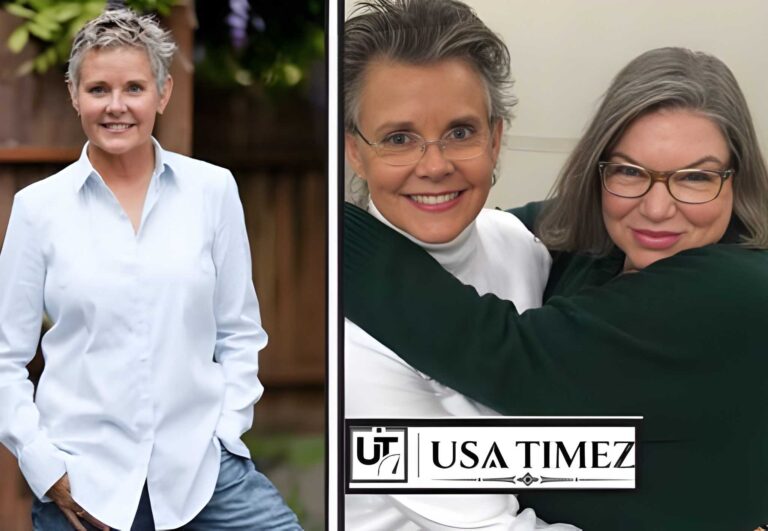
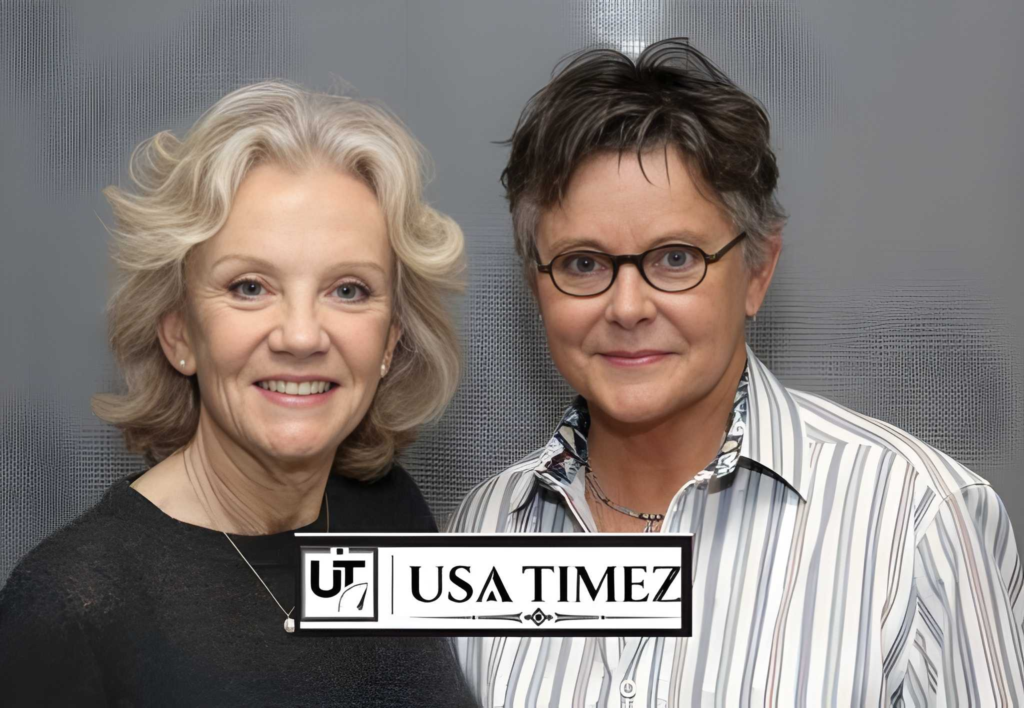
Carrie Schenken is the wife of actress Amanda Bearse. She became known because of her relationship with Amanda, but she has always stayed away from public attention. Carrie likes to keep her personal life private and rarely appears in the media. Even though not much is known about her, many people are interested in her life, family, and marriage. In this article, you’ll learn about Carrie Schenken’s background, career, relationship with Amanda Bearse, family, and where she is today.

Quick Bio

DetailInformation
Full nameCarrie Schenken
Known forBeing the wife of Amanda Bearse
NationalityAmerican
SpouseAmanda Bearse
Marriage year2010
FamilyPublic profiles describe a family with two children; Amanda has spoken about her daughter Zoe
WorkOften described as a camera technician or cinematographer
Public presenceVery private, with no major public brand
Current statusPublic biographical listings continue to describe the couple as married

Before Fame Became Part of Her Story

Carrie Schenken did not grow up as a public personality. Her name was not built through acting roles, interviews, or a carefully managed image. Her public story begins much later, when her relationship with Amanda brought gentle attention to a life that had been lived outside celebrity culture.

That early distance from fame helps explain the person readers see today. Carrie has never seemed interested in turning private experiences into entertainment. She has allowed her life to remain a life, not a show. That choice may sound simple, but it is hard to protect when a spouse has been known by television viewers for decades.

The adult life visible to readers follows one clear pattern. She values a firm line between home and Hollywood. Her public identity has grown around steadiness, family, and the freedom to live without constant attention.

How Carrie Schenken Entered the Public Eye

Carrie Schenken became widely connected with Amanda Bearse when the two married in 2010. Amanda was already a familiar face by then. Fans knew her as the sharp, energetic neighbor Marcy on Married… with Children. Horror fans also remembered her as Amy Peterson in the 1985 film Fright Night.

Marriage placed Carrie’s name beside Amanda’s, but it did not change her into a celebrity. She did not begin giving personal interviews or building a career from that attention. The couple kept the focus on their real home rather than selling a polished version of their relationship.

That decision gives their story a warm, grounded feeling. There is no need for a grand public romance when two people are building a life together. By 2010, the important step was clear: they had chosen each other and made their commitment official.

A Bond That Was Never Turned Into a Performance

Celebrity relationships are often judged by photographs, posts, and public appearances. The couple has offered very little of that material. Their marriage is known, yet the daily shape of it belongs to them.

This does not make their bond less meaningful. In many ways, it makes the story easier to respect. A lasting relationship is usually built through small acts that no camera sees. The couple’s long privacy suggests that being together mattered more than being seen together.

Amanda Bearse’s Journey Before Their Marriage

To understand the attention around Carrie Schenken, it helps to know what Amanda had already lived through. Amanda started working on television in the early 1980s. She appeared on the soap opera All My Children before moving into film and prime-time comedy.

Her breakthrough came with Married… with Children, which began in 1987. Marcy was smart, stubborn, and quick to challenge Al Bundy. The role made Amanda recognizable in homes across America. Yet acting was only one part of her talent.

While still appearing on the sitcom, Amanda moved into directing. She directed 31 episodes of Married… with Children and later worked on comedies such as Reba, The Jamie Foxx Show, Dharma & Greg, and MADtv. She learned how to guide a scene from behind the camera, not only perform inside it.

This background matters because it shows the public world surrounding the marriage. Amanda had fans, old television memories, and an important place in entertainment history. Carrie entered that world without trying to compete with it.

A Career Built on More Than One Kind of Courage

Amanda publicly came out as a lesbian in 1993 while she was still part of a hit network show. At that time, very few prime-time actors spoke so openly. The step joined her personal truth with her professional life in a way that carried real risk.

She later supported LGBTQ+ visibility and became connected with National Coming Out Day. In 2021, Out on Film honored her with a Trailblazer Award. These moments happened through Amanda’s public work, but they also form the history around the family she later built with Carrie Schenken.

Why Their 2010 Marriage Held Quiet Meaning

When Carrie Schenken and Amanda married in 2010, same-sex marriage was still not recognized across the United States. Nationwide recognition did not arrive until 2015. Their wedding therefore belonged to a time when many same-sex couples were still fighting for equal legal respect.

The couple did not make their marriage into a public campaign. Even so, the commitment carried meaning. Amanda had once taken a public risk by living honestly. Years later, she and Carrie were able to name their partnership as a marriage.

There is something moving in that simple change. A private promise can also reflect a wider social journey. Their relationship did not need to become a symbol to hold importance for people who had waited to see families like theirs treated with dignity.

Family Life and the Choice to Protect Home

Family has long held a central place in Amanda’s life. She has spoken with deep pride about her daughter, Zoe. Amanda once described her daughter as her greatest production, a loving line from someone who had spent years making television.

Amanda also explained that she moved to Washington State so Zoe could attend school and enjoy a more normal childhood away from Hollywood. That decision shows what mattered most. Career success remained important, but it did not come before the needs of home.

Public biographical listings describe Carrie Schenken and Amanda as having two children, while Amanda’s own interviews have focused on Zoe. The couple has kept their children away from constant attention. The result is a family story told through care rather than personal exposure.

For Carrie, that family-first world seems to fit naturally. She has not used the children’s lives to create interest around herself. Their names, routines, and private moments are not part of a publicity plan. The adults appear to have chosen protection over attention.

Privacy Can Be a Form of Love

It is easy to mistake privacy for distance. In a family, however, privacy can be a kind of shelter. It gives children room to grow without strangers judging each step. It also lets a couple handle ordinary joys and hard days without an audience.

Carrie Schenken has become a strong example of this quieter care. She does not need to explain every family choice for that choice to matter. The boundary itself tells readers something: home deserves a space that fame cannot enter.

Carrie Schenken and Her Reported Work Behind the Camera

Many biographical profiles describe Carrie Schenken as a camera technician or cinematographer. Both jobs belong behind the scenes. Camera crews help shape what viewers finally see through framing, focus, movement, light, and careful technical work.

That description suits her low-key public image, though widely available records do not connect her name with a clear list of major screen credits. The careful way to describe her career is simple: she has been reported as a behind-the-camera professional, while her work has remained outside broad public attention.

There is dignity in such work. Film and television depend on people whose faces never appear on the screen. A scene may last one minute, but a trained crew can spend hours making it feel natural. The audience remembers the star, while the workers behind the camera quietly hold the whole image together.

This possible link to production also gives the couple an interesting balance. Amanda has worked on both sides of the camera. Carrie has been associated with the technical side. Their lives may touch the same creative world, even though only one of them became a household face.

The Challenges Around Their Shared Story

There is no public tale of scandal at the center of this marriage. The harder parts of the story come from the world around it. Amanda built her career during years when being openly lesbian could close doors. She later spoke about facing sexism and ageism as directing work became harder to find.

Those pressures did not begin with their marriage, but they formed part of the life the couple shared. A partner often sees the side of a public career that fans miss: the waiting, the rejection, the travel, and the doubt that can sit behind a finished show.

Amanda also chose to step away from some parts of Hollywood life so she could raise her daughter in a healthier setting. That choice may have reduced her visibility, but it protected something she valued more. The emotional lesson is clear. Success does not always mean taking every job. Sometimes it means knowing what deserves your time.

Carrie’s private presence belongs naturally beside that lesson. Their story has never suggested that fame is the highest goal. It points instead toward a home where work has a place, but love and family have one too.

A Private Life Without Celebrity Drama

Carrie Schenken does not appear to maintain a large verified public platform. She is rarely at the center of entertainment news, and she has not built a personal business around Amanda’s fame. That absence of noise has shaped her public image.

Readers often search for dramatic secrets when a person is linked to a star. Here, the most honest story is calmer. Carrie is known through a marriage that has lasted for years, a protected family life, and a steady refusal to turn attention into a product.

This can feel refreshing. Public life now moves quickly. A private dinner can become a post, a disagreement can become content, and a family moment can become a headline. Her example reminds us that a person can be close to fame without handing fame the keys to the house.

Where Carrie Schenken Is Today

As of 2026, public biographical listings continue to identify Carrie Schenken as Amanda Bearse’s wife. Their marriage, which began in 2010, has now lasted well over a decade. Carrie remains outside the daily celebrity cycle and keeps her personal world quiet.

Amanda has continued to be seen by audiences. She returned to the big screen in the 2022 romantic comedy Bros and appeared in Tapawingo. Her official professional profile still presents her as an actor, director, and producer. Carrie, by contrast, remains the private half of their public connection.

That does not mean her life is standing still. It means current life is not being packaged for strangers. The latest public picture is the same calm one she has shown for years: marriage, family, and a firm boundary around home.

The Lasting Impression of Carrie Schenken

Carrie Schenken is best known as Amanda Bearse’s wife, but that simple description opens the door to a thoughtful story. She became connected to a well-known actress and director without losing her own right to privacy. Since their 2010 marriage, the couple has kept family life largely outside public view.

Her public legacy is not based on awards, famous roles, or dramatic interviews. It rests on steadiness. She shows that support does not have to be loud, and a life does not have to be displayed to be meaningful.

Amanda’s journey brought courage and visibility to television history. Carrie’s presence adds another feeling to that journey: the warmth of a lasting home after the hardest public steps have been taken. In the end, Carrie Schenken leaves readers with a simple idea. Love can be seen in the life two people protect, not only in the story they tell.

Frequently Asked Questions

Who is Carrie Schenken?

Carrie Schenken is the wife of American actress and director Amanda Bearse. She became publicly known through their marriage but has not pursued celebrity attention. Her image is closely tied to privacy, family, and a quiet life away from Hollywood publicity.

When did Carrie Schenken marry Amanda Bearse?

Carrie Schenken and Amanda Bearse married in 2010. Their marriage began five years before same-sex marriage gained nationwide legal recognition in the United States. They have kept most details of their wedding and home life private.

What does Carrie Schenken do for a living?

Biographical profiles often describe her as a camera technician or cinematographer. These are skilled behind-the-scenes roles in film and television production. Her professional life has not been promoted through a widely known list of screen credits.

Do Carrie Schenken and Amanda Bearse have children?

Public profiles describe the couple’s family as including two children. Amanda has spoken most openly about her daughter, Zoe, and her pride in being a mother. The family has wisely kept the children’s daily lives away from broad media attention.

Are Carrie Schenken and Amanda Bearse still married?

Current public biographical listings continue to describe them as married. They have been together as a married couple since 2010. Their long relationship remains private, with little of the publicity that often follows entertainment families.

Dorothy Bowles Ford: More Than the Mother of Harold Ford Jr.

0

Dorothy Bowles Ford is the mother of Harold Ford Jr. and the former wife of Harold Ford Sr. Both became well-known names in American politics, but Dorothy always stayed away from the spotlight. She worked for the U.S. Department of Agriculture for many years and focused on her family. She raised three sons and supported them through different stages of life. In this article, you’ll learn about Dorothy Bowles Ford’s early life, career, marriage, children, and where she is today.

Dorothy Bowles Ford Quick Bio

DetailInformation
Full nameDorothy Bowles Ford
NationalityAmerican
Known forMother of Harold Ford Jr. and former wife of Harold Ford Sr.
WorkLongtime employee of the U.S. Department of Agriculture
Marriage dateFebruary 10, 1969
Former husbandHarold Eugene Ford Sr.
ChildrenHarold Ford Jr., Newton Jake Ford, and Sir Isaac Ford
Divorce1999
Family connectionThe Ford political family of Memphis, Tennessee
Public lifePrivate citizen closely connected to two generations in Congress

A Life Story Rooted in Memphis

The public story of Dorothy Bowles Ford begins in Memphis, Tennessee. Before the Ford name became part of her identity, she was Dorothy Bowles of Memphis. The city would remain at the center of her family’s story, even after work and politics carried the family to Washington, D.C.

Memphis in the late 1960s was living through deep change. The civil rights struggle had touched the city in a painful and lasting way. Martin Luther King Jr. had been killed there in April 1968. Less than a year later, Dorothy Bowles and Harold Eugene Ford married on February 10, 1969. They began their adult life at a time when questions of race, voting power, jobs, and fair treatment were present in daily life.

Dorothy Bowles Ford did not become known through a title of her own. Her importance came from the life she built while history moved around her. She joined a Memphis family with deep roots in business, church, community life, and politics.

Marriage at the Start of a Political Journey

When Dorothy and Harold married, he was not yet a member of Congress. He had studied business and mortuary science and worked in his family’s funeral home. The Ford family business had created strong ties across Memphis. Those ties later helped Harold build support when he entered politics.

The couple’s first son, Harold Eugene Ford Jr., was born in Memphis on May 11, 1970. Newton Jake Ford and Sir Isaac Ford followed. While Dorothy Bowles Ford was raising a young family, her husband’s public career moved quickly. He served in the Tennessee House of Representatives from 1971 to 1974. In 1974, he ran for the U.S. House.

That race changed the family’s life. Harold Ford Sr. won by only 744 votes after challenging the first count. When he entered office in January 1975, he became the first Black person to represent Tennessee in the United States Congress. It was a proud moment for Memphis, but it also brought a new level of duty and attention into the family home.

Building a Career of Her Own

It is easy to describe a political wife only through her husband. That would leave out an important part of this story. Dorothy Bowles Ford also had a working life of her own. The official history of the U.S. House describes her as a longtime employee of the U.S. Department of Agriculture.

Federal work is often quiet work. It does not bring campaign cheers, but it requires order, patience, and steady effort. Her job also mattered because it gave her an identity outside her husband’s office. She was not simply waiting in the background while another person built a career. She was working while raising three sons and living with the demands that came with public service.

Raising Three Sons Between Two Public Worlds

The Ford home stood between Memphis and Washington. Memphis carried the family’s roots, church life, business network, and voters. Washington carried congressional duties, schools, and the daily pace of federal government. The family moved to Washington in the late 1970s, and Harold Jr. later attended St. Albans School there.

For Dorothy Bowles Ford, this meant motherhood in a home that could never be fully separated from politics. Elections arrived every two years. Her husband’s work involved travel, long hours, public meetings, and hard decisions. The family name was familiar to people across Memphis, and that kind of attention can follow children into school, church, and ordinary moments.

Still, the three boys had their own paths. Harold Jr., the eldest, showed an early interest in public life. Newton Jake and Sir Isaac remained part of the same well-known family but followed less visible routes. A parent in such a home must make room for both things: the weight of the family name and the child standing underneath it.

The life of Dorothy Bowles Ford shows why family support is more than appearing in campaign photographs. It lives in daily routines and in helping a home feel ordinary when the outside world sees it as part of a political story.

The Small Capitol Moment That Became Family History

One moment says a great deal about how early politics entered Harold Jr.’s life. He was four years old when he attended his father’s first swearing-in ceremony at the U.S. Capitol. According to his mother, the child raised his hand and said, “This is what I want to be when I grow up.”

It is a warm family memory, but it later became something more. Harold Jr. truly did grow up to serve in the House. The little boy who watched his father take the oath would one day take an oath of his own.

Dorothy Bowles Ford preserved that small moment by remembering and sharing it. Public history records election totals and dates. A mother remembers the child raising his hand. Together, those two kinds of memory give the Ford story its human shape.

Dorothy Bowles Ford and Harold Ford Jr.

Harold Jr. studied American history at the University of Pennsylvania and earned a law degree from the University of Michigan. He also worked in government and helped with his father’s congressional campaigns in 1992 and 1994.

In 1996, Harold Ford Sr. decided to retire after 11 terms. Harold Jr. returned to Memphis and ran for the seat. He won the election and entered Congress in January 1997 at age 26. He became the first Black member of Congress to directly succeed a parent in office.

For Dorothy Bowles Ford, the result joined two parts of her life in a striking way. She had watched her husband enter Congress when their eldest son was still a small child. More than two decades later, she watched that son take over the same Memphis seat. Few mothers have stood so close to a political handover like that.

Harold Jr. served five terms, from 1997 to 2007. He lost a close U.S. Senate race to Bob Corker in 2006, then built a career in finance and television. His mother remains part of the official account of how his journey began.

Life Beside a Historic but Demanding Career

Harold Ford Sr.’s career brought pride to the family and to many Black voters in Tennessee. He became a strong voice on jobs, health care, support for older people, and help for low-income families. He served on the powerful House Ways and Means Committee and kept winning elections for more than two decades.

Public success, however, does not make family life simple. In 1987, Harold Sr. was charged in a federal case involving financial claims. He denied wrongdoing and argued that the case was driven by political or racial motives. The legal fight lasted for years. A first trial ended without a verdict, and a jury cleared him of all charges in 1993.

The headlines centered on the congressman, but a long public case reaches beyond one person. Dorothy Bowles Ford was still his wife and the mother of their children during those difficult years. The family lived with courts and news reports until the acquittal. She remained outside the bright center of that storm, as she did through much of public life.

The End of a Thirty-Year Marriage

Dorothy and Harold Sr. divorced in 1999. Their marriage had lasted about 30 years and covered nearly all of Harold Sr.’s rise and service in Congress. It began before his first state office, continued through 11 terms in Washington, and ended after their eldest son had started his own congressional career.

The marriage ended through an agreement rather than a public divorce trial. That detail matches the private way Dorothy Bowles Ford handled much of her personal life. There was no need to turn a family change into a public campaign.

Divorce after three decades is not a small closing chapter. A shared home, three sons, public victories, legal pressure, and years of change all sat behind that final decision. Yet the end of a marriage did not erase the family history they had made together. Dorothy remained the mother of their sons and an important figure in the story of both congressmen.

Private Life After Politics Changed the Family

After the divorce, Dorothy Bowles Ford continued to live away from the kind of public attention attached to her former husband and eldest son. She did not seek elected office. She did not turn her family connection into a regular media role. Her public image remained tied to work, motherhood, and the Ford family’s long history.

Her children were adults by then. Harold Jr. stayed in Congress until 2007, then moved into finance, teaching, writing, and political television. In 2026, he remains visible as a banking executive and television contributor. His mother, by contrast, is known through family history rather than a current public position.

That difference matters. A private life is not an empty life. It simply means the most meaningful days are not offered to strangers. Dorothy Bowles Ford has kept that boundary even though searches about her continue because of her famous family.

The Lasting Legacy of Dorothy Bowles Ford

The clearest legacy of Dorothy Bowles Ford can be seen in the bridge between generations. She married Harold Sr. before his political career began. She raised Harold Jr. while his father served in Washington. She then lived to see her son win the very seat that had shaped their family life.

Her story also gives working mothers a familiar point of connection. She held a long-term federal job while raising children and managing the changes that came with a spouse’s demanding career. The details were unusual because Congress was involved, but the heart of the experience was not. Many women know what it means to keep their own work moving while a family member receives most of the public credit.

Legacy does not always mean a law, a building, or a name on a ballot. Sometimes it is the steady link between one generation and the next. Sometimes it is a child’s memory of home. Sometimes it is the choice to remain grounded while other people are surrounded by attention.

Dorothy Bowles Ford holds that kind of place in the Ford family story. She was near power without making power her whole identity. She was connected to history without asking history to revolve around her. That is why readers still want to understand her life.

Conclusion

Dorothy Bowles Ford is best understood as a working mother whose life ran beside two generations of American politics. She married Harold Ford Sr. before his rise, raised three sons during his long years in Congress, and watched Harold Ford Jr. follow his father into the same office.

Her journey included pride, public pressure, family change, and the end of a long marriage. Through it all, she kept most of her life outside the spotlight. The legacy of Dorothy Bowles Ford is not built on loud claims. It rests on family, steady work, privacy, and a rare place beside history.

Frequently Asked Questions

Who is Dorothy Bowles Ford?

Dorothy Bowles Ford is the mother of former U.S. Congressman Harold Ford Jr. and the former wife of Congressman Harold Ford Sr. She also had a long career with the U.S. Department of Agriculture. She is known for her place in the Ford political family of Memphis.

What did Dorothy Bowles Ford do for work?

She was a longtime employee of the U.S. Department of Agriculture. Her federal career gave her a working identity separate from her family’s elected roles. It was steady work carried out away from campaign stages.

How many children does Dorothy Bowles Ford have?

She has three sons: Harold Ford Jr., Newton Jake Ford, and Sir Isaac Ford. Harold Jr. became a U.S. Representative from Tennessee and served from 1997 to 2007. He directly followed his father in the same House seat.

Was Dorothy Bowles Ford married to Harold Ford Sr.?

Yes. Dorothy and Harold Ford Sr. married on February 10, 1969. Their marriage lasted about 30 years and ended in divorce in 1999. They raised their three sons during Harold Sr.’s long political career.

Where is Dorothy Bowles Ford now?

She continues to keep a private life and does not hold a well-known public role. Most current interest in her comes from her connection to Harold Ford Jr. and the wider Ford family. Her public story remains centered on family, federal work, and political history.

Kelly Anne Welbes Abagnale: The Woman Who Stood Beside Frank Abagnale

0

Kelly Anne Welbes Abagnale is the wife of Frank Abagnale Jr., whose life inspired the movie Catch Me If You Can. Even though her husband became famous, Kelly has always stayed away from public attention. She is known for her long marriage, her love for her family, and the support she has given her husband over the years. Together, they raised three sons and built a quiet life away from the media. In this article, you’ll learn about Kelly Anne Welbes Abagnale’s early life, family, education, marriage, children, and where she is today.

Quick Bio

DetailInformation
Full nameKelly Anne Welbes Abagnale
Birth dateJune 26, 1954
Age72 years old as of July 2026
BirthplaceGalveston, Texas, United States
Raised inHouston, Texas
ParentsLouis A. Welbes and Maxine C. Rust Welbes
SiblingsTwo brothers, Timothy and Robert
EducationMaster’s degree in child psychology
HusbandFrank William Abagnale Jr.
Marriage dateNovember 6, 1976
ChildrenThree sons: Scott, Chris, and Sean
Known forHer long marriage to Frank and her private family life
Family homeCharleston, South Carolina area

A Texas Childhood Built Around Family

Kelly Anne Welbes Abagnale was born in Galveston, Texas, on June 26, 1954, and grew up in Houston. Her childhood was far removed from the attention that later followed her husband. School, family, and ordinary routines shaped those early years.

Her father, Louis A. Welbes, served with the U.S. Army Engineers during World War II, including at the Battle of the Bulge. Her mother, Maxine, retired from Rice University and later volunteered at a hospital. Kelly grew up with two brothers, Timothy and Robert.

Her parents stayed married for more than six decades. Service, loyalty, and commitment were part of daily life, not just nice ideas. Kelly carried that steady example into her own marriage and family.

After Maxine died, Frank praised her strength and said he could still see her in the daughter she had raised. His words offered a rare glimpse of the bond between Kelly’s first family and the home she later built.

School Years and an Interest in Helping Children

Kelly attended Waltrip High School in Houston and played on the girls’ tennis team. It is a small detail, yet it gives a personal picture of her before fame entered the family: a student with friends, classes, and a place on a team.

Kelly Anne Welbes Abagnale later earned a master’s degree in child psychology. A detailed family profile says she worked at a Houston orphanage, where Frank met her while using the cover of a social worker during a government assignment.

Her studies and early work show that Kelly had a life and direction of her own before becoming Frank Abagnale’s wife.

How Kelly Anne Welbes Abagnale Met Frank

Their first meeting was far from a Hollywood romance. Frank was rebuilding his life after prison when, by his account, he met Kelly during a Houston assignment. He used another identity, so she first knew only the person he appeared to be.

When the assignment ended, Frank wanted the relationship to continue. A real future could not grow under a false name. He took Kelly to a park and told her his identity, his past, and why she had met him under another name.

Kelly had already introduced him to her family, which made the truth even harder. Frank later recalled that she listened calmly as he explained the hidden job and his criminal history. Their relationship moved forward only after the secret was removed.

This makes her story deeper than the label “famous man’s wife.” Trust had to be chosen after a difficult talk. Their life together began when the performance stopped and honesty entered.

A Marriage That Started a New Chapter

On November 6, 1976, Kelly Anne Welbes Abagnale and Frank became husband and wife. Kelly was 22; Frank was 28. Her parents had serious reasons to worry about his history, and Frank has said that Kelly married him despite their early concerns. The choice showed courage, but it was not blind approval of the past. It was faith in the man she believed he could become.

The couple settled in Tulsa, Oklahoma, where they had space to create an ordinary home. She did not turn the marriage into a public success story. Her focus was the work that rarely reaches a headline: raising children and protecting family life.

By July 2026, the marriage has lasted close to 50 years. That history matters more than one dramatic turning point. It grew through moves, school years, family losses, career changes, and many quiet acts of care.

The Role Kelly Played in Frank’s Change

Frank has often spoken about his wife’s influence. He says prison did not change him all at once. Marriage, fatherhood, work, and another person’s trust slowly gave him a reason to live with greater care.

Kelly did not erase his past or change him by herself. She offered a stable relationship that made responsibility feel real. Frank said he no longer wanted to hurt or shame her, or do anything that would take him away.

That is more honest than saying one person “saves” another. Kelly gave support, but Frank still had to make his own choices. Love can offer a reason to change; daily action makes that change real.

Their children deepened that sense of duty. Frank later called his wife and sons his proudest achievement. His progress was no longer something to describe in a speech. It had to be proved at home.

Raising Three Sons Away From the Noise

Kelly Anne Welbes Abagnale and Frank became parents to three sons: Scott, Chris, and Sean. They raised the boys mainly in Tulsa, where family life could stay more normal. For Kelly Anne Welbes Abagnale, protecting that normal life seems to have been a clear priority.

The boys did not grow up as characters in a crime story. They had school, friends, plans, and futures of their own. Kelly and Frank worked to give them a firm base instead of a public burden.

As adults, the brothers chose different paths. Scott became an FBI agent. Chris moved into fashion and retail in Charleston. Sean built an international career and lived in China for a time. Each son found his own direction.

Scott’s FBI career created a full-circle family moment. The agency tied closely to Frank’s past later welcomed his eldest son. More important, Scott built a life around service and trust, values his parents wanted their children to carry.

The Quiet Challenges Behind a Famous Story

Life beside a well-known person is rarely simple. Each interview, book, film, or stage show brought Frank’s past back into the present. Events most families would discuss in private became entertainment for millions.

There were ordinary family pains too. Kelly lost her father in 2004 and her mother in 2008. Frank’s message after Maxine’s death showed how much he valued the woman who had welcomed him as a son-in-law.

Frank’s travel and public work brought another pressure. Kelly often kept family life moving while he was away. Her strength was quiet, but long marriages often depend on that steady effort.

She also protected her own identity. The public knew her through Frank’s name, but she kept a firm boundary around home. She joined him at selected events without turning that attention into a career.

Why She Is Not in Catch Me If You Can

Kelly does not appear as a character in the 2002 film Catch Me If You Can. The movie centers on Frank’s youth and ends before the part of life in which he met and married her. The film character Brenda Strong is not Kelly Anne Welbes Abagnale. Brenda belongs to the screen story and was loosely shaped from an earlier relationship described by Frank.

This timeline matters because viewers may leave the film thinking they have seen Frank’s whole life. They have not. Kelly belongs to the chapter that came later: marriage, sons, a home in Tulsa, and decades of adult responsibility. Her part is less dramatic on screen, but it is far more important to the life Frank says he values most.

When the film became a major success, Kelly attended some public events with her husband and family. Photographs show her beside him at premieres and theater events. Still, she remained composed and quiet. She did not use the movie to place herself at the center of its fame.

A Famous Story With a Complicated Public Record

Frank’s account of his early crimes has faced serious questions from journalists and researchers. Records have challenged several of the larger claims repeated in his book, speeches, and the movie. A careful story about Kelly Anne Welbes Abagnale should not treat every Hollywood scene as a proven fact.

That debate belongs to Frank’s public record. It should not be used to invent a new story about Kelly or judge choices she has not publicly explained. The clearest facts about her life remain separate from the disputed movie details: she came from Houston, studied child psychology, married Frank in 1976, raised three sons, and kept her private world out of the media.

This careful line also makes her story more meaningful. Kelly Anne Welbes Abagnale does not need the wildest version of her husband’s past to seem interesting. Nearly five decades of marriage, family duty, and firm personal boundaries are a real story on their own.

From Tulsa to a Quieter Life in Charleston

After their sons grew up, Kelly Anne Welbes Abagnale and Frank moved from Tulsa to Charleston, South Carolina. Kelly had long liked the city, and the move brought them closer to Chris and his family. They first lived in the historic center and later made a home on Daniel Island.

Charleston offered a gentler later chapter. Frank continued his public work, while Kelly Anne Welbes Abagnale remained out of the daily news. Their life became more centered on adult children, grandchildren, and time at home.

Her privacy is not an empty part of the story. It is one of her clearest choices. She has no known public social media profile and rarely gives interviews. Even after Catch Me If You Can made the Abagnale name known around the world, she kept control of her own space.

In 2026, Kelly’s public image remains much the same: a wife, mother, and grandmother who appears only now and then beside her family. Kelly Anne Welbes Abagnale has shown that a person can stand close to fame without allowing fame to become the center of life.

Final Thoughts

Kelly Anne Welbes Abagnale is known because she married the man behind Catch Me If You Can, but her own life points in a different direction. Frank’s public story is full of movement, performance, and debate. Kelly’s story is built on family, clear boundaries, and the patient work of staying.

She grew up in a close Texas family, studied child psychology, and met Frank at a difficult turning point in his adult life. Together they built a home, raised three sons, and moved through almost five decades of marriage. She did not seek to become famous, even when fame arrived at her door.

That is why Kelly Anne Welbes Abagnale remains interesting. Her life reminds us that change is rarely one grand moment. It is usually a long line of honest choices made at home, one day after another.

Frequently Asked Questions

What is Kelly Anne Welbes Abagnale known for?

The public knows Kelly Anne Welbes Abagnale as Frank Abagnale Jr.’s longtime wife. She studied child psychology and later focused much of her life on family. Frank has often said that Kelly and their children helped him build a more stable life.

Where did Kelly and Frank first meet?

Kelly Anne Welbes Abagnale met Frank in Houston. According to Frank’s account, he was using another identity during a government assignment. Kelly was connected to an orphanage and completing advanced study in psychology. Before their relationship could continue, he told her his real name and past.

When did Kelly and Frank Abagnale get married?

Their wedding took place on November 6, 1976. At the time, Kelly was 22 and Frank had turned 28. As of July 2026, they have shared nearly 50 years of marriage and raised three sons together.

How many sons did Kelly and Frank raise?

Kelly Anne Welbes Abagnale and Frank raised three sons named Scott, Chris, and Sean. Scott became an FBI agent, while Chris and Sean followed paths in business and international work. The family spent most of the boys’ early years in Tulsa, Oklahoma.

Does Kelly appear in the Catch Me If You Can film?

Kelly Anne Welbes Abagnale does not appear as a character in the film. The story covers an earlier part of Frank’s life and ends before he met her. Brenda Strong is a fictional screen character, not Frank’s real wife.

Who Is Carlos Alman? The Quiet Father Behind Cardi B’s Success

0

Carlos Alman is the father of famous rapper Cardi B. While his daughter is known around the world, he has always lived a quiet and private life. Born in the Dominican Republic, he later moved to New York City, where he worked as a taxi driver and raised his family in the Bronx. He never looked for fame or public attention. Instead, he focused on hard work and giving his children a better future. Today, many people want to know more about the man who helped shape Cardi B’s early life.

Quick Bio

DetailInformation
Full nameCarlos Alman, also written as Carlos Almánzar
Date of birthMarch 19, 1958
Age in 202668 years old
BirthplaceDominican Republic
NationalityDominican
Known forBeing Cardi B’s father
Former wifeClara Almánzar
Well-known childrenCardi B and Hennessy Carolina
CareerFormer New York City taxi driver
Public lifeQuiet and private

Who Is Carlos Alman Beyond a Famous Last Name?

Most people first hear about Carlos Alman while reading about Cardi B. Her birth name is Belcalis Marlenis Almánzar, and her family name points back to her father’s Dominican roots. She grew from a bold young woman in the Bronx into a Grammy-winning rapper, actress, and business figure. As her fame grew, people naturally wanted to learn about the home and family that came before it.

Her father offers a very different picture of life. He did not build a public brand or try to turn his daughter’s fame into a career. He stayed close to ordinary life. That choice has shaped the way the public sees him: not as another celebrity, but as a working father connected to an extraordinary success story.

There is something touching in that difference. Cardi B is known for speaking her mind in front of huge crowds. Her father is known for saying very little in public. One life became loud and highly visible. The other remained calm and mostly off camera. Both belong to the same family story.

Early Life and His Dominican Roots

Carlos Alman was born on March 19, 1958, in the Dominican Republic. His early years were shaped by Dominican family life, language, food, music, and close community ties. Those roots later became an important part of his daughters’ identities in America.

The Dominican Republic was more than a birthplace left behind. Its culture traveled with him. Cardi B has always spoken proudly about being Dominican and Trinidadian. Her father gave her the Dominican side of that rich Caribbean background, while her mother, Clara, brought Trinidadian roots into the home.

This mix helped create a family life with more than one culture at its heart. Spanish and English, Caribbean customs, and New York street life all met in the same world. Cardi B’s voice, humor, confidence, and pride in her background did not come from a blank space. They grew inside a home linked to two Caribbean nations.

A New Start in New York City

Around 1990, he moved from the Dominican Republic to the United States and settled in New York City. It was a major change. New York offered work and a new future, but it also asked newcomers to adjust quickly. The city could be costly, crowded, and hard. A person had to learn its pace while still holding onto the place they came from.

The Bronx became the center of the family’s American life. It was full of immigrant families, music, strong accents, and people trying to build something better. It could also be rough. Money had to stretch, and regular work mattered.

This is an important part of the story because fame came much later. Before awards, hit songs, and red carpets, there was a family making a life in New York. There were bills, long workdays, school, and the normal stress of raising children. Cardi B’s later success may look sudden from far away, but her family story began with much smaller steps.

Carlos Alman’s Years as a Taxi Driver

Carlos Alman worked as a taxi driver in New York City before retiring. It was not glamorous work, yet it was honest and useful. Driving a cab meant dealing with traffic, long streets, changing weather, and all kinds of passengers. The work asked for patience and steady effort.

That job also tells us something important about his place in the family. He earned a living through daily work rather than public attention. Each shift helped support a home in one of the most expensive cities in the world. There was no applause at the end of the day. The value was in coming back and doing it again.

The image feels almost like two sides of New York. Years later, his daughter would cross the city for music, television, fashion, and major events. Her father had already spent years moving through those streets for a very different reason. She worked under bright lights. He worked behind a steering wheel. Both paths needed drive, even if they looked nothing alike.

Marriage, Children, and a Changing Family

Carlos Alman married Clara Almánzar in 1991. Clara came from a Trinidadian background, so their home carried both Dominican and Trinidadian traditions. Their first daughter, Belcalis, was born on October 11, 1992. The world would later know her as Cardi B. Their younger daughter, Hennessy Carolina, arrived in 1995.

The sisters’ famous names even became part of Cardi’s public identity. Because her sister was named Hennessy, people jokingly called Belcalis “Bacardi.” Over time, that nickname became Cardi B. It is a small family detail, but it shows how closely her stage name is tied to home.

Carlos and Clara’s marriage ended in 2005. By then, their daughters were still young. A separation can change the shape of a family. The daily routine shifts, and children must learn a new way of being close to both parents. Yet a marriage ending does not erase the years, culture, and love that built the family in the first place.

Both parents remained part of their daughters’ story. Clara worked as a cashier, while Carlos drove a taxi. Their jobs were simple, but the example was clear: the adults in the home worked for what the family needed. Long before Cardi B spoke about ambition on a world stage, she had seen ordinary effort up close.

His Relationship With Cardi B

The bond between Carlos Alman and Cardi B is mostly kept away from cameras. Still, Cardi has spoken about her parents as hardworking people and has shown strong concern for their privacy. She understands that her fame does not make every family member a public figure.

That point became clear when media attention reached her father in ways she did not welcome. Cardi defended his right to live as a regular person. Her reaction showed more than anger at a camera. It showed a daughter drawing a firm line around someone she loves.

This matters because celebrity can pull an entire family into public view. A parent may suddenly be photographed, discussed, or judged even though they never asked for attention. Cardi’s message has stayed simple: her career is public, but her father’s life belongs to him.

His influence is easiest to see through the family setting he helped create. Cardi grew up watching her parents work regular jobs. She later became known for a fierce work ethic and a direct way of talking about money, survival, and success.

It would be unfair to credit one person for everything she became. However, her father’s steady working life was part of the world that formed her.

A Father to Hennessy Carolina Too

Cardi B’s fame often takes up most of the attention, but Carlos Alman is also the father of Hennessy Carolina. Hennessy built her own public identity through television, fashion, and social media. She is known for her bold style and close bond with her older sister.

The two daughters share their father’s Dominican heritage. They also share the experience of growing up in a mixed Caribbean family in New York. That background gave them a strong connection to culture and family, even as their lives moved into public spaces.

Seeing both sisters become known in their own ways makes the family story feel larger than anyone expected during those early Bronx years. Yet their father has not tried to stand in the center of their attention. He remains part of the foundation, not the show.

The Hard Parts Behind the Family Story

It is easy to look at Cardi B’s success and see only the happy ending. The earlier part of the story was harder. Moving to a new country takes courage. Raising children in a costly city takes patience. Working a service job can be tiring. A divorce adds another emotional turn for every person in the home.

These were not dramatic scenes made for television. They were real-life changes faced by many families. That is why the story feels familiar. Carlos Alman represents parents who arrive in a new place, accept demanding work, and keep the family moving through uncertain years.

There was also a later challenge that few ordinary parents expect: sudden attention because a child became famous. Pride may come with that success, but so can pressure. Strangers may want family facts, pictures, and access. Staying private becomes harder when the world knows your daughter’s name.

His response has been quiet and steady. He has not built his own fame from Cardi’s career. He has not filled social media with personal stories. By remaining private, he has kept a part of life normal in a family touched by global fame.

Why Carlos Alman Chooses a Private Life

Carlos Alman does not live like a celebrity. He rarely gives interviews and does not appear to run a verified public social media account. Public appearances are uncommon. Most readers know him through brief family mentions rather than words from the man himself.

That privacy should not be mistaken for distance or lack of importance. Some people show love through public praise. Others show it through work, presence, and respect for family space. A quiet role can still be a meaningful one.

His private life also gives the story balance. Cardi B shares opinions, jokes, music, and personal moments with a huge audience. Her father reminds us that not every person close to a star wants the same kind of attention. Fame can belong to one member of a family without becoming the property of them all.

There is dignity in knowing what kind of life suits you. He spent years doing practical work. When public interest arrived, he did not change himself to meet it. He stayed outside the spotlight and let his daughters own their careers.

Later Life and His Current Situation

In 2026, Carlos Alman is 68 years old. He is commonly described as a former or retired taxi driver who continues to live a private life connected to New York. His days are not presented as celebrity content, and that matches the pattern he has followed for years.

Online stories often try to attach a net worth to anyone related to a star. Such numbers add little to his real story. His importance is not measured by a guessed bank balance. It comes from his place in a family that moved from regular Bronx life to worldwide attention.

Today, the strongest picture of him is still a simple one: a Dominican father, a former driver, and a man who does not need public praise. His daughters’ success brings people to his name, but his private choices explain why so little drama surrounds it.

Final Thoughts

Carlos Alman is best known as Cardi B’s father, but that short label does not tell the full story. He left the Dominican Republic, built a working life in New York, drove a taxi, and helped raise two daughters in a rich Caribbean-American home.

His marriage changed, his daughter became world-famous, and public curiosity reached his door. Through it all, he chose privacy. There is no need to turn that quiet life into a grand legend. Its real value is already clear.

His story belongs to every parent who works without applause and every family whose biggest sacrifices happen off camera. Cardi B may carry the famous name, but behind her rise stands a father whose ordinary effort became part of something extraordinary.

Frequently Asked Questions

Who is Carlos Alman?

Carlos Alman is the Dominican-born father of rapper Cardi B and Hennessy Carolina. He became known to the public because of his daughters, but he has always preferred a quiet life away from celebrity attention.

How old is Carlos Alman in 2026?

He was born on March 19, 1958. That makes him 68 years old in 2026. His birthplace is the Dominican Republic, and he later made his home in New York City.

What did Cardi B’s father do for work?

He worked as a taxi driver in New York City and later retired. It was a regular working-class job that helped support his family during Cardi B’s childhood in the Bronx.

Who was Carlos Alman married to?

He was married to Clara Almánzar, Cardi B and Hennessy Carolina’s mother. Clara has Trinidadian roots, while Carlos is Dominican. Their marriage began in 1991 and ended in 2005.

Does Carlos Alman use social media?

He has no widely recognized verified public account. He keeps his personal life off camera and rarely gives interviews, even though interest in him grew with Cardi B’s worldwide fame.

Jan Ashley: The Amazing Story Behind a Brief Kardashian Marriage

0

Jan Ashley was an American former beauty queen who became widely known as the second wife of attorney Robert Kardashian Sr. Although their marriage lasted only a short time, her life was much more than that relationship. She was crowned Miss Tulsa in 1966, worked as an executive secretary, and spent many happy years married to actor John Ashley before his passing. Jan preferred a private life and stayed away from the spotlight, even after becoming connected to the famous Kardashian family. In this article, you’ll learn about Jan Ashley’s early life, career, marriages, family, and lasting legacy.

Jan Ashley Quick Bio

FieldDetails
Full nameJanice Lynn Glass Ashley
Known asJan Ashley
BornAugust 3, 1948
BirthplaceAmarillo, Texas, United States
Raised inTulsa, Oklahoma, from age seven
EducationWill Rogers High School
Early honorMiss Tulsa 1966
WorkExecutive secretary at Phillips Petroleum
First husbandJohn Ashley, married in 1978 until his death in 1997
Second husbandRobert Kardashian Sr., married in 1998; marriage annulled in 1999
ChildrenNone
DiedOctober 1, 2015, aged 67
Resting placeForest Lawn Memorial Park in California, beside John Ashley

Jan Ashley’s Early Life in Texas and Oklahoma

Janice Lynn Glass was born in Amarillo, Texas, to James Douglas Glass and Monnie M. Glass. When she was seven, her family moved to Tulsa, Oklahoma. That city became the place she returned to again and again, even after many years in California.

Jan attended Will Rogers High School in Tulsa. Her teenage years came long before social media could turn a local face into an instant star. Recognition was smaller and closer to home. School, work, family, and community shaped daily life. That setting helps explain why Jan Ashley later seemed more comfortable with private living than with constant attention.

Tulsa was more than a line in her biography. It was where she grew up, entered a beauty contest, began her working life, met her first husband, and eventually spent her final years. Hollywood would become part of her journey, but Oklahoma remained the steady thread running through it.

The Miss Tulsa Year That Opened a Small Door

In 1966, Jan Ashley became Miss Tulsa. She was about 18 years old. The title brought her local praise and placed her in Oklahoma’s pageant world at a young age. It also showed that she had poise and confidence in front of people.

Winning a pageant could have been the start of modeling, acting, or a public career. Jan took another path. She did not spend the next years chasing cameras. The crown became one bright memory from her youth instead of the center of her adult identity.

That choice says something important about her story. Jan could stand in public when the moment called for it, but she did not seem to need public attention to give her life value. Her later years followed much the same pattern.

A Working Life Beyond the Crown

After school and pageant success, Jan Ashley worked as an executive secretary to Kenneth “Boots” Adams at Phillips Petroleum. Adams was a leading figure at the company, so the job would have required care, order, and trust.

This part of her background is often lost beneath the Kardashian headline. Yet it gives a clearer picture of her. She was not simply a beauty queen who later married famous men. She had a professional role of her own and lived an adult life far from entertainment news.

A Long Marriage Beside Hollywood, Not Inside It

Jan’s first major link to entertainment came through John Ashley. He had grown up in Tulsa before making a name as an actor, singer, and producer. He appeared in several beach movies during the 1960s and later worked behind the camera on film and television projects.

Jan Ashley met and married John in Tulsa in 1978. The couple then moved to California, where his career was based. For Jan, it was a large change. She went from her Oklahoma roots and office work into a life close to movie sets, television production, and Hollywood circles.

Still, she did not become an actress or turn herself into a public figure. John’s work was visible. Jan’s place beside him was much quieter. She shared the private side of a demanding career without trying to claim the spotlight for herself.

Their marriage lasted almost 19 years. That long partnership matters because it covered a far greater part of her life than the relationship for which she is now most searched. Jan Ashley was John’s wife through years of career changes and busy production work. She had no children of her own, but she built a family life around a man whose work often moved between projects and places.

Then came a sudden loss. John died of a heart attack in New York City in October 1997 while he was involved in a film production. He was 62. Jan was left a widow after nearly two decades of marriage.

Grief does not fit neatly into a timeline. A long partnership becomes part of a person’s daily rhythm, and its sudden end can make the future feel empty and strange. This was the emotional setting in which Jan entered the next chapter of her life.

A New Relationship During a Tender Time

In 1998, Jan Ashley met Robert Kardashian Sr. According to an account later linked to Jan, Robert saw her photograph while she was selling her home and arranged an introduction through someone connected to John’s acting world.

Robert already carried a famous name. He was a lawyer and businessman who had gained national attention during the O.J. Simpson trial. He was also the divorced father of Kourtney, Kim, Khloé, and Rob Kardashian. His public image came with a full family history and old emotional ties.

Jan and Robert dated for several months. Both had lived full adult lives before meeting, so the relationship may have felt like a chance to begin again. Jan had recently lost John. Robert had been divorced from Kris Jenner for years but remained closely tied to their four children.

The couple married on November 25, 1998, in Vail, Colorado. It was a hopeful step, but hope alone could not make two very different lives fit. Jan was entering not only a marriage but also a family world filled with old pain, strong bonds, and unfinished conflict.

Inside Jan Ashley and Robert Kardashian’s Marriage

The marriage broke down quickly and was annulled in 1999. Many online accounts call it a 30-day marriage. The clearer legal outline is that the wedding took place in late November 1998 and the annulment process ended the union the following year.

Years later, Jan Ashley offered her side of what went wrong. She said Robert remained upset by tension involving Kris Jenner and his children. In her telling, family needs, money worries, and old hurt followed him into the new marriage. Instead of beginning with a clean page, the couple found themselves living inside problems that were already there.

Robert’s annulment declaration placed attention on another issue. He described an agreement about having a child together and the conflict that followed around that plan. Jan had no children, while Robert already had four. That difference appears to have touched a deep question about what each person expected from the marriage.

These accounts came from two people at the end of a painful relationship. They do not need to turn one person into a hero and the other into a villain. What they show is a couple moving too fast while carrying grief, family pressure, and different hopes for the future.

An annulment may be a legal ending, but it does not erase the emotions that came before it. For Jan, the marriage began less than two years after losing John. Its collapse added another sharp change to a life that had already been shaken by death.

The Kardashian Family Was Already a Complex World

When Jan Ashley married Robert, the Kardashian children were not yet reality television stars. Still, they were at very different ages and stages of life. Some were teenagers or young adults, while Rob was still a child. Their parents had divorced, yet Robert and Kris remained connected through them.

That meant Jan could not simply become Robert’s wife without meeting the family history around him. New marriages often ask everyone to adjust. In this case, those changes came soon after a fast romance and under the shadow of Robert’s public fame from the Simpson trial.

Jan never had time to form a lasting role as a stepmother. The marriage ended before a new family structure could settle. A fair reading also avoids blaming children for adult choices. Jan later described the pressure as she felt it, but the final responsibility for a marriage rested with the two people inside it.

The Kardashian family became globally famous years later, after reality television began in 2007. That later fame made Jan’s short place in their history seem much bigger than it had been at the time.

The Claim That Pulled Jan Ashley Back Into Headlines

Jan Ashley mostly disappeared from celebrity coverage after the annulment. Then, in 2012, her name returned during a painful public argument about Khloé Kardashian’s parentage.

Jan said Robert had privately told her that Khloé was not his biological daughter. Robert’s later wife, Ellen Pierson, made a similar statement. Khloé answered with anger and defended the memory of the man she knew as her father. The Kardashian family rejected the claim.

The statement became one of the loudest moments linked to Jan, but it remained an allegation rather than an established fact. Robert raised Khloé, named her as his child, and held the place of her father throughout his life. That human bond matters more than a tabloid argument built after his death.

This episode changed the way some people saw Jan Ashley. Some treated her words as inside knowledge. Others saw them as hurtful and impossible for Robert to answer. Either way, one controversial interview should not be allowed to swallow every earlier part of her life.

A Private Life After the Famous Marriage

After Robert, Jan did not turn her short marriage into a television career, a book, or a public brand. She did not remain a regular face in celebrity media. Apart from a few later comments, she stepped back into the quieter life she had known before.

Jan Ashley spent many years in California and moved back to Oklahoma in 2012. Returning to the place where she had grown up gave her final chapter a sense of homecoming. Tulsa held her school memories, her pageant year, her early career, and the beginning of her marriage to John.

Her family remembered her as a loving sister and aunt. She was survived by her brother, Jerry, his wife, and their sons. Those close family roles rarely make headlines, yet they often tell more about a person’s daily life than celebrity connections do.

Privacy was not an empty space in Jan’s story. It was the way she chose to live. She had stood near Hollywood and later entered the history of a family that would become famous around the world. Still, she kept most of herself away from public view.

Final Years, Death, and a Quiet Farewell

Jan Ashley died on October 1, 2015. She was 67 years old. Her passing was handled with the same privacy that marked much of her life, and her family held a private service.

She was laid to rest at Forest Lawn Memorial Park in California beside John Ashley. It is a gentle final detail. The brief Kardashian marriage shaped how the public remembered her, but the husband beside whom she was buried had shared almost 19 years of her life.

Her final resting place brings the larger story back into view. Jan’s life was not measured only by a short annulled marriage. It also held a long partnership, years of ordinary work, close family ties, and a return to the Oklahoma home of her youth.

Conclusion

Jan Ashley is remembered mainly as Robert Kardashian Sr.’s second wife, but that label captures only a few months of a 67-year life. Long before that marriage, she was Janice Lynn Glass of Tulsa, a high school graduate, Miss Tulsa 1966, and a trusted executive secretary. She later shared almost 19 years with John Ashley and endured the sudden loss of her husband.

Her marriage to Robert began with the promise of a fresh start and ended under the weight of different hopes and a complicated family past. Years later, one disputed claim brought her back into the headlines and added a difficult note to her public image.

Still, the lasting shape of Jan Ashley’s life is not loud. It is found in the places she returned to, the family who remembered her, and the long relationship beside which she was finally laid to rest. She lived near fame, stepped into it for a short time, and then chose a quieter road home.

Frequently Asked Questions

Who was Jan Ashley?

Jan Ashley was a former Miss Tulsa and an executive secretary. She was married to actor and producer John Ashley for almost 19 years. She later became widely known through her brief marriage to attorney Robert Kardashian Sr.

When did Jan Ashley marry Robert Kardashian Sr.?

She married Robert Kardashian Sr. on November 25, 1998, in Vail, Colorado. Their relationship ended quickly, and the marriage was annulled in 1999. It was Robert’s second marriage after his divorce from Kris Jenner.

Who was Jan Ashley’s first husband?

Her first husband was John Ashley, an American actor, singer, and producer. They married in Tulsa in 1978 and moved to California. Their marriage continued until John died from a heart attack in 1997.

Did Jan Ashley have any children?

No, Jan Ashley did not have children of her own. Her later marriage to Robert included discussion about having a child, but the couple separated before building a family together. She remained close to her brother and nephews.

Why is Jan Ashley still remembered?

She is remembered for winning Miss Tulsa in 1966, marrying John Ashley, and later becoming Robert Kardashian Sr.’s second wife. Her 2012 claim about Khloé Kardashian also brought renewed attention, though the family strongly rejected it.